
In today’s rapidly evolving world, many Muslims unknowingly step into careers that contradict the fundamental teachings of Islam. Understanding what is permissible (halal) and what is forbidden (haram) is crucial, especially in the professional realm. Islam provides a detailed framework of ethical and spiritual guidelines concerning income. As believers, we are instructed to earn a living in ways that are not only productive but also compliant with Shariah. This blog explores the top 5 haram jobs in Islam with authentic Hadiths and Qur’anic evidence to help you make informed decisions about your career path.
As a Muslim working professional or aspiring entrepreneur, it is essential to distinguish between halal and haram sources of income.
The Prophet Muhammad ﷺ said:
“A time will come upon the people when one will not care how one gains one’s money, legally or illegally.” (Sahih Bukhari, 2059)
Sadly, this prophecy reflects the conditions of our current age. Let’s examine the top 5 haram jobs in Islam to avoid falling into unethical or sinful income streams.
1. Jobs Involving Riba (Interest-Based Work)
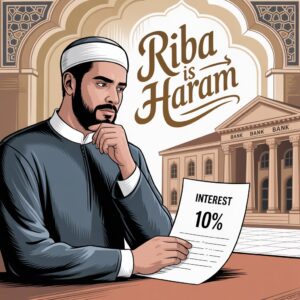
One of the top 5 haram jobs in Islam includes any profession that involves dealing with riba (interest), whether directly or indirectly. This includes working in conventional banks, insurance companies, or financial institutions where interest is a core component of the business. Employees such as interest-based loan officers, conventional investment bankers, mortgage agents, and those who prepare or promote contracts involving riba fall into this prohibited category.
Islam strictly forbids riba because it exploits the financial vulnerability of others and promotes unjust enrichment. Earning a salary from a company whose core model is based on riba is impermissible. Even if a person’s role appears administrative or indirect, if the income is sourced from haram transactions, it remains spiritually and ethically tainted.
🔹 Allah has said:
“Those who consume Riba will not stand [on the Day of Resurrection] except as one stands who Satan is beating into insanity. That is because they say, ‘Trade is [just] like Riba.’ But Allah has permitted trade and forbidden Riba…”
— Surah Al-Baqarah (2:275)
🔹 The Prophet Muhammad ﷺ said:
“The Prophet ﷺ cursed the one who consumes Riba, the one who gives it, the one who records it, and the two witnesses to it.”
— Sahih Muslim (1598)
Working in interest-based sectors is not just discouraged—it is condemned from multiple angles in Islam. The curse mentioned by the Prophet ﷺ applies to everyone involved in the process, whether they benefit directly or merely facilitate it. This alone is a powerful reason why Muslims should completely avoid such careers and instead pursue halal financial alternatives.
✅ Build your career on faith, not forbidden earnings.
You can read more about halal options in our guide: What is Islamic Finance?
2. Insurance-Related Jobs
2.1 Why Conventional Insurance Is Considered Haram
In conventional insurance, several core elements conflict directly with Islamic teachings. These include riba (interest), gharar (excessive uncertainty), and maisir (gambling). For this reason, Islamic scholars across various schools of thought have unanimously agreed that jobs in conventional insurance—such as insurance agents, underwriters, actuaries, claims adjusters, or even administrative staff—fall under the category of haram professions.
The business model of traditional insurance is based on speculation and profit-driven contracts: clients pay premiums without any guarantee of return, and companies often invest that money in interest-bearing or non-halal ventures. The result is a structure that promotes unjust enrichment and lacks transparency—both of which are fundamentally against Islamic financial ethics.
🔹 The Prophet Muhammad ﷺ said:
“Whoever cheats is not one of us.”
Although the Hadith refers broadly to deceit, it highlights the importance of clarity, fairness, and honesty in all transactions. Conventional insurance often misleads or creates a false sense of security, making the profession spiritually and ethically questionable.

2.2 Halal Alternative: Shariah-Compliant Takaful Jobs
Not all insurance is haram. Islam permits a halal alternative known as Takaful, which is based on cooperation (ta’awun), risk-sharing, and ethical investment. Shariah boards oversee Takaful companies to ensure complete compliance with Islamic principles.
If you’re passionate about working in the insurance sector, consider joining a Takaful company as a halal career choice. These firms offer ethical roles such as Shariah compliance officers, risk assessors, product developers, and customer support agents—all within an Islamically permissible framework. Choosing Takaful roles instead of positions mentioned in the Top 5 Haram Jobs in Islam helps protect both your faith and future.
✅ “Your income is your identity—let it reflect your faith.”
3. Jobs Promoting Alcohol, Gambling, or Pork
❌ Why These Jobs Are Haram in Islam
In Islam, not only the consumption but also the promotion, sale, or support of alcohol, gambling, and pork is strictly forbidden. This includes working in liquor stores, casinos, breweries, gambling websites, pork butcheries, or even as delivery personnel handling these items. Scholars agree that directly or indirectly assisting in such haram activities is impermissible, as it spreads sin in society.
📖 Qur’anic Evidence:
يَـٰٓأَيُّهَا ٱلَّذِينَ ءَامَنُوٓا۟ إِنَّمَا ٱلْخَمْرُ وَٱلْمَيْسِرُ وَٱلْأَنصَابُ وَٱلْأَزْلَـٰمُ رِجْسٌۭ مِّنْ عَمَلِ ٱلشَّيْطَـٰنِ فَٱجْتَنِبُوهُ لَعَلَّكُمْ تُفْلِحُونَ ٩٠
O believers! Intoxicants, gambling, idols, and drawing lots for decisions are all evil of Satan’s handiwork. So shun them so you may be successful.
⚠️ The Prophet ﷺ Cursed Roles Tied to Alcohol
The Prophet Muhammad ﷺ didn’t just forbid alcohol—he cursed those involved in every stage of its production and trade.
📜 Hadith:
“The Messenger of Allah ﷺ cursed ten people connected with wine: the one who presses it, the one who requests it to be pressed, and the one who drinks it.…”
— Sunan Ibn Majah (Hadith 3380)
This Hadith clearly shows that even indirect roles (like advertising or logistics) are sinful. A Muslim should avoid such careers and seek work aligned with Shariah values and ethics.
4. Adult Industry & Immoral Entertainment
4.1 Involvement in Immoral Media Is Haram
Islam places a great emphasis on modesty (ḥayā) and moral integrity. Any involvement in the adult entertainment industry, whether directly (actors, performers) or indirectly (cameramen, editors, promoters), is strictly haram. Muslims must avoid these, as they are among the top 5 haram jobs in Islam.. Jobs in pornography, escort services, strip clubs, or even managing or maintaining websites that host immoral content all fall under sinful categories. These roles not only exploit human dignity but also spread fahsha (immorality), which the Qur’an warns against in several verses.
📜 Hadith:
“Modesty is a part of faith.”
— Sahih Muslim (Hadith 35)
This hadith emphasizes that any act undermining modesty compromises faith itself.
4.2⚠️ Ethical Collapse & Societal Harm
Such professions harm both individuals and society at large. They normalize shameless behavior, destroy family values, and turn people into mere objects of desire. Islam prohibits anything that leads to temptation, exploitation, or spiritual destruction. Even if one is “just editing” or “just managing ads,” the income earned is considered impure (haram) and spiritually damaging. Muslims must seek income through work that honors dignity, purity, and righteousness.
Instead of compromising faith for profit, Muslims are encouraged to pursue careers that bring barakah (blessing) and align with Islamic ethics.
5. Jobs That Involve Fraud, Deception, or Corruption
5.1❌ Fraud and Bribery Lead to Haram Income
Any career that involves cheating people, lying for profit, engaging in bribery, or promoting illegal transactions is considered one of the top haram jobs in Islam. This includes work in fake investment schemes, pyramid scams, forging documents, deceptive marketing, money laundering, or smuggling. Even working in businesses where unethical upselling and misleading consumers is the norm falls under haram. Islam emphasizes truthfulness, transparency, and fairness in all transactions.
📖 Qur’anic Evidence:
وَلَا تَأْكُلُوٓا۟ أَمْوَٰلَكُم بَيْنَكُم بِٱلْبَـٰطِلِ وَتُدْلُوا۟ بِهَآ إِلَى ٱلْحُكَّامِ لِتَأْكُلُوا۟ فَرِيقًۭا مِّنْ أَمْوَٰلِ ٱلنَّاسِ بِٱلْإِثْمِ وَأَنتُمْ تَعْلَمُونَ ١٨٨
Do not consume one another’s wealth unjustly, nor deliberately bribe authorities to devour a portion of others’ property, knowing that it is a sin.
Surah Al-Baqarah (2:188)
5.2⚖️ Destroying Trust in Society
Such jobs not only harm individuals but also break down the foundation of a just and honest society. Bribery, fraud, and lies create distrust, promote injustice, and are directly opposed to Islamic teachings.
Engaging in fraudulent careers is one of the top 5 haram jobs in Islam, as it corrupts both wealth and character. Muslims are urged to seek pure income through ethical means and avoid all paths that lead to dishonesty, as these are clearly among the top 5 haram jobs in Islam.
🧭 Final Thought
Understanding the top 5 haram jobs in Islam is essential for any Muslim seeking halal income. Indeed, jobs involving interest (riba), gambling, alcohol, deception, or immoral acts clearly fall into this forbidden category. Although these jobs may offer wealth or social status, they ultimately endanger your Hereafter and sever your connection with the blessings of Allah ﷻ. Hence, Allah commands Muslims to earn through honest, ethical, and Shariah-compliant means. Even if a career appears attractive, if it opposes Islamic principles, it is not worth pursuing. For this reason, always research thoroughly and consult knowledgeable Islamic scholars before entering any field. Moreover, avoiding the top 5 haram jobs in Islam is not merely a personal obligation; rather, it is a shared responsibility to uphold and protect Islamic values. Therefore, choose professions that reflect your faith. Consequently, you will gain both dignity in this world and eternal reward in the next.