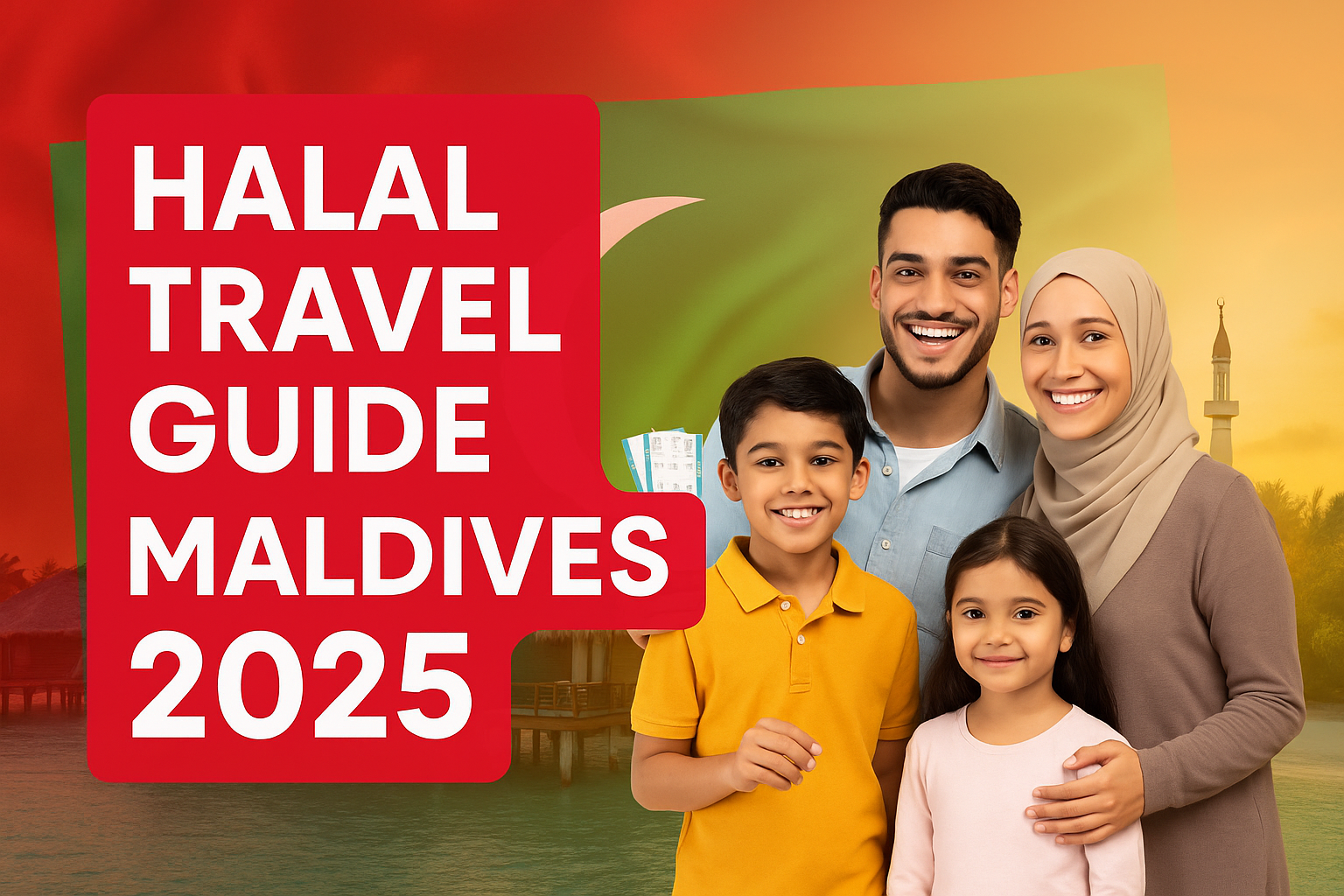
The Maldives is one of the most beautiful Muslim-friendly destinations, offering turquoise waters, white sandy beaches, and a peaceful atmosphere for halal-conscious travelers. This Halal Travel Guide to Maldives 2025 is designed to help you plan a trip that aligns with Islamic values, so you can enjoy your vacation without compromising your faith. From delicious halal food options and easily accessible prayer facilities to safety tips, visa guidance, and cost breakdowns, we cover everything you need for a stress-free and spiritually mindful holiday. Whether you choose luxury resorts or local guesthouses, your Maldives experience in 2025 can be both memorable and halal.
1. Exploring the Best of Maldives
The Maldives is more than just a luxury destination—it’s a Muslim-majority country with rich culture, natural beauty, and many halal-friendly experiences for travelers. Whether you’re seeking relaxation, adventure, or Islamic heritage, there’s plenty to explore in 2025.
1.1 Top Islands to Visit in 2025
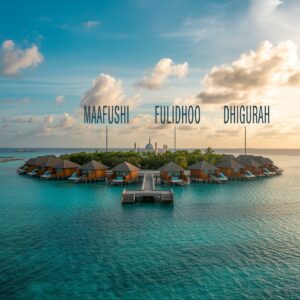
With over 1,000 islands, the Maldives offers endless choices, but for halal-conscious travelers, Maafushi, Fulidhoo, and Dhigurah stand out. Maafushi is a vibrant local island with budget guesthouses, halal restaurants, and the historic Maafushi Mosque within walking distance from most hotels. Fulidhoo is quieter, known for its peaceful beaches, friendly community, and traditional Maldivian culture. Dhigurah is famous for its long sandbanks and whale shark sightings, with a local mosque easily accessible. These islands offer a balance between natural beauty and easy access to Islamic facilities.
1.2 Best Beaches for Muslim Families
For Muslim families seeking privacy and modesty, private or semi-private beaches are ideal. Certain resorts like Ayada Maldives and Veligandu Island Resort provide family-friendly zones where women can swim comfortably without public exposure. Local islands also have designated “bikini beaches” for tourists, while other areas remain modest, allowing families to enjoy the shore in an Islamic environment. If you prefer complete privacy, renting a villa with a private pool and direct beach access is a great choice.
1.3 Must-Visit Cultural Attractions
Beyond the beaches, the Maldives offers unique Islamic heritage site
s. A highlight is the Male Friday Mosque (Hukuru Miskiy), built in 1658 and recognized as a UNESCO World Heritage Site. Constructed from coral stone and decorated with intricate carvings, it reflects centuries of Maldivian Islamic tradition. You can also explore the Islamic Centre in Male, home to the country’s largest mosque, where visitors can join prayers and learn about the nation’s religious history. These sites not only deepen your understanding of the Maldives’ culture but also provide a spiritual connection during your trip.
2. Halal Food & Prayer Facilities
When traveling as a Muslim, having access to halal food and prayer spaces is a top priority. The Maldives, being a Muslim-majority country, makes this part of your journey stress-free. From halal-certified restaurants to easily accessible mosques, you can enjoy your trip without compromising your faith.
2.1 Halal Dining in Maldives
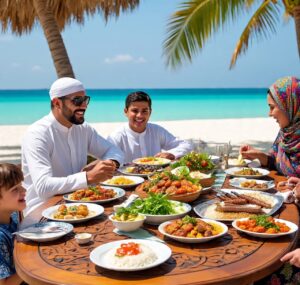
What It Means: Halal dining in the Maldives ensures that every meal is prepared according to Islamic dietary laws, giving Muslim travelers peace of mind.
Details: Because Islam is the official religion, almost all eateries serve halal food by default. You’ll find fresh seafood, chicken, and beef dishes prepared in clean, Shari’ah-compliant kitchens. A great example is Symphony Restaurant in Male, which is famous for its authentic Maldivian flavors. Many resorts also cater to halal requests if you inform them in advance, making it easy to enjoy your vacation without dietary worries.
2.2 Seafood & Local Delicacies
What It Means: Maldivian cuisine is a seafood lover’s dream, and the good news is — it’s all halal.
Details: The islands are surrounded by crystal-clear waters, offering an abundance of fresh fish. Must-try dishes include tuna curry rich in spices, mas huni (tuna with coconut, onions, and flatbread), and grilled reef fish cooked over open flames. Local guesthouses often serve home-style meals, giving you an authentic cultural experience. Some islands even offer cooking classes so you can take the taste of Maldives back home.
2.3 Mosques & Prayer Times
What It Means: Access to mosques and stable prayer times ensures you can maintain your religious duties with ease.
Details: Nearly every inhabited island has at least one mosque. The Islamic Centre Mosque in Male is a must-visit, both for its beauty and spiritual atmosphere. Prayer times remain almost the same year-round, so you can confidently plan your tours and water activities without missing Salah.
3. Planning Your Halal Trip to Maldives 2025
Planning is the key to making your journey to this tropical paradise smooth, affordable, and fully Shari’ah-compliant. This Halal Travel Guide to Maldives 2025 section will help you prepare step-by-step so you can enjoy the islands without missing your Islamic obligations.
3.1 Visa & Travel Requirements
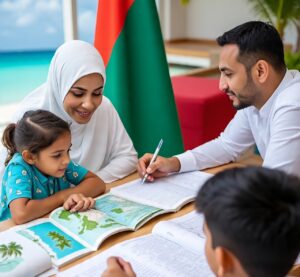
The Maldives offers a visa-on-arrival for 30 days to most nationalities, making it one of the easiest destinations for Muslims to visit. All you need is:
- A valid passport (minimum 6 months validity)
- Confirmed hotel or guesthouse booking
- Return or onward ticket
No prior visa application is required for most travelers. However, always check the official Maldives Immigration website (https://immigration.gov.mv) for updated entry rules before you book your ticket. This ensures you travel with peace of mind and no last-minute issues.
3.2 Cost & Budget Planning
The average trip to the Maldives costs $100–$300 per day depending on the season, type of hotel, and activities you choose. Luxury resorts with private villas can be much more expensive, while guesthouses on local islands offer affordable stays starting at just $50 per night, including breakfast.
For budget-friendly halal travel, choose islands like Maafushi or Dhigurah, where you can enjoy halal food, local culture, and stunning beaches without overspending. Booking in advance and traveling during off-peak months (May–October) can also lower costs.
3.3 Safety & Islamic Etiquette
The Maldives is generally safe for tourists, with a low crime rate and a welcoming local population. However, as a Muslim traveler, it’s important to maintain modesty and Islamic etiquette, especially outside private resort islands. Wear loose clothing, cover your shoulders and knees, and perform your five daily prayers on time.
The Prophet Muhammad ﷺ said:
“Modesty is a branch of faith.” (Sahih Muslim 35)
By respecting the local customs and Islamic values, you not only fulfill your religious duty but also set a positive example for other travelers.
Final Thought
The Halal Travel Guide to Maldives 2025 offers an unforgettable halal travel experience, combining natural beauty, rich Islamic heritage, and complete peace of mind for Muslim travelers. With its halal-certified dining, accessible mosques, visa ease, and family-friendly resorts, you can enjoy turquoise waters and white beaches without compromising faith. By choosing the right islands, planning your budget, and respecting Islamic etiquette, your Maldives trip will be both relaxing and spiritually rewarding — a perfect blend of leisure and deen, as highlighted in this Halal Travel Guide to Maldives 2025.
Explore more Muslim-friendly travel guides