

Halal food is not just about taste but also about faith. Across the globe, Muslims and non-Muslims alike enjoy Halal Street Food, which combines authentic flavors with spiritual peace. Allah ﷻ says in the Qur’an:
يَـٰٓأَيُّهَا ٱلنَّاسُ كُلُوا۟ مِمَّا فِى ٱلْأَرْضِ حَلَـٰلًۭا طَيِّبًۭا وَلَا تَتَّبِعُوا۟ خُطُوَٰتِ ٱلشَّيْطَـٰنِ ۚ إِنَّهُۥ لَكُمْ عَدُوٌّۭ مُّبِينٌ ١٦٨
O humanity! Eat from what is lawful and good on the earth and do not follow Satan’s footsteps. He is truly your sworn enemy. (Surah Al-Baqarah 2:168).
This command reminds us that enjoying Halal Street Food is both a blessing and a responsibility. In this blog, we will explore the Top 5 Halal Street Foods Around the World, covering unique flavors, sunnah-inspired nutrition, and popular destinations like halal food at Arab Street in Singapore and halal food street at Camp North End in the USA.
1. Shawarma – Middle East’s Iconic Flavor
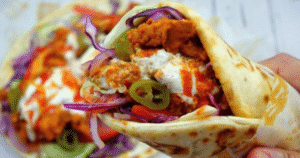
Origins of Shawarma
Shawarma is one of the most popular and beloved Halal street foods in the Middle East. It originated during the Ottoman era in Turkey, where seasoned meat was cooked slowly on a vertical rotisserie. Over time, this delicious dish spread across Syria, Lebanon, Palestine, and Saudi Arabia, becoming a cultural symbol of hospitality and Halal food excellence. Today, Shawarma is not only a Middle Eastern favorite but also a global sensation enjoyed in Europe, Asia, and North America.
Why Muslims Love Shawarma
Muslims love Shawarma because it represents both taste and tradition. Prepared with slow-roasted chicken, beef, or lamb, Shawarma is always Halal-certified and rich in protein. It can be served in soft pita bread or with rice, often paired with tahini, garlic sauce, and fresh vegetables. Prophet Muhammad ﷺ encouraged moderation in eating and appreciated well-prepared meat, which makes Shawarma a Sunnah-inspired dish when consumed with balance. Its versatility and nutritional value make it a healthy and faith-friendly choice for Muslims around the world.
Where to Find It
Shawarma is found in every major Muslim city, from the bustling souks of Dubai and Riyadh to the lively food streets of Istanbul. In Singapore, Arab Street is particularly famous for its Shawarma stalls, where modern culinary techniques blend seamlessly with authentic Halal traditions. Whether traveling in the Middle East or abroad, Shawarma remains the undisputed king of Halal street food.
2. Falafel – A Vegan Sunnah Delight
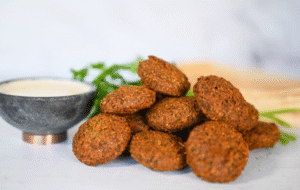
What is Falafel?
Falafel is one of the most loved vegan Halal Street Food items, originally rooted in the Middle East, especially Egypt. These golden, crispy balls are made from ground chickpeas or fava beans, mixed with fresh herbs like parsley, cilantro, and garlic. Deep-fried until perfectly crunchy on the outside and soft inside, Falafel is usually served in pita bread with vegetables, pickles, and sauces like tahini or hummus. Its simple ingredients make it both affordable and accessible, which is why it became a street food staple across the Muslim world.
Sunnah & Health Connection
Chickpeas, the core of Falafel, are part of Sunnah nutrition and highly valued in Islamic tradition. Rich in protein, fiber, and essential minerals, they provide long-lasting energy and improve digestion. Prophet Muhammad ﷺ emphasized eating wholesome and balanced meals, avoiding excess, and consuming foods that bring both strength and health. For Muslims who prefer a plant-based lifestyle, Falafel is an ideal Sunnah-friendly dish—light, nourishing, and Halal-certified. Its vegan nature also makes it a bridge between Muslim and non-Muslim food lovers, uniting communities through a shared appreciation of healthy, Halal food.
Where to Find It
Falafel is a common street food in Egypt, Jordan, Lebanon, and Palestine. Internationally, it has become a symbol of Halal vegan food. In the United States, Muslim-friendly spots like Camp North End in Charlotte offer authentic Falafel that reminds travelers of traditional flavors back home.
3. Kebabs – A Grilled Tradition
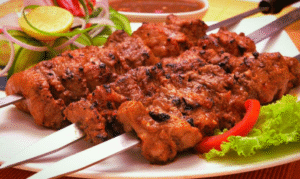
History of Kebabs
Kebabs have a rich heritage that dates back to Central Asia and the Ottoman Empire, before spreading across the Muslim world. The word “kebab” itself comes from Arabic and Persian roots, referring to roasted or grilled meat. Over centuries, this dish evolved into countless regional varieties, from juicy shish kebabs to minced seekh kebabs.
Islamic Perspective
Grilling meat reflects the Sunnah of eating wholesome and simple food. Kebabs are prepared with minimal oil, keeping them both pure and nutritious. Traditional marinades include ingredients like cumin, coriander, and black pepper—spices often praised in prophetic medicine for their healing and digestive benefits. Eating such food reminds Muslims to appreciate Halal, clean meals as blessings from Allah.
Where to Find It
In Istanbul’s bustling markets, kebabs are a proud symbol of Turkish hospitality, served with bread, rice, or fresh salad. Across South Asia, kebabs are part of street food culture, often sizzling on charcoal grills during festivals. Today, major cities like London, New York, and Toronto are dotted with Halal food trucks and restaurants serving smoky, freshly grilled kebabs—making this Sunnah-inspired dish accessible worldwide.
4. Biryani – A South Asian Classic
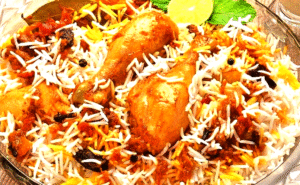
Why Biryani is Special
Biryani is more than just food—it’s a cultural icon across South Asia. Originating from royal kitchens, it became one of the most loved Halal Street Food dishes in India, Pakistan, and Bangladesh. Prepared with basmati rice, marinated meat, saffron, and a blend of spices, each bite carries tradition and comfort. Street vendors often serve it in foil packs or clay pots, making it affordable and accessible for everyone.
Sunnah Ingredients
What makes Biryani even more special is its connection to Sunnah-inspired ingredients. Black cumin (Nigella seeds), praised by Prophet Muhammad ﷺ as a cure for many illnesses (Hadith: Sahih al-Bukhari 5687), is often part of the spice mix. Other Sunnah-friendly ingredients like ginger, garlic, and coriander add both flavor and health benefits, reminding Muslims that food can be both nourishing and spiritually rewarding.
Where to Find It
Karachi’s Burns Road, Hyderabad’s Charminar, and Dhaka’s street bazaars are legendary for their flavorful Biryani stalls. Today, Muslim travelers can even find Halal-certified Biryani served from food trucks in London, Toronto, and New York—proving that this South Asian classic has become a global street food favorite.
5. Satay – Southeast Asia’s Flavor
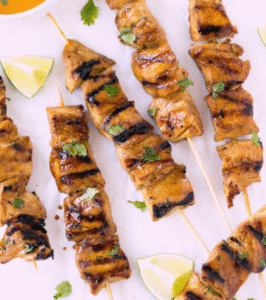
Origins of Satay
Satay is one of the most iconic Southeast Asian dishes, believed to have originated in Indonesia before spreading across Malaysia, Singapore, and Thailand. It consists of marinated chicken, beef, or lamb skewers grilled over charcoal and served with a rich peanut sauce, cucumber salad, and rice cakes. Its smoky aroma and tender texture make it a beloved Halal Street Food favorite across the Muslim world.
Faith & Food Connection
When prepared according to Halal guidelines, Satay is more than just a flavorful snack—it reflects the Islamic principle of enjoying pure (ṭayyib) food. The Prophet Muhammad ﷺ encouraged moderation and sharing meals, and Satay beautifully embodies this sunnah. Families and friends often gather around Satay stalls, sharing skewers and dipping them into sauce together, creating a spirit of unity and brotherhood. Its use of simple, fresh ingredients like lean meat and natural spices also connects it to the prophetic tradition of wholesome eating.
Where to Find It
Satay stalls are a common sight in Malaysia and Singapore, especially at night markets (pasar malam). In Singapore, Arab Street and Kampong Glam are among the top destinations where Muslim travelers can enjoy authentic Halal Satay. Similarly, in Kuala Lumpur’s Jalan Alor or Indonesia’s Jakarta street markets, Satay is prepared fresh on open grills, making it both a cultural and spiritual delight for Halal-conscious food lovers.
Final Thought
Halal Street Food is more than a meal—it is an experience of faith, culture, and togetherness. From Shawarma in the Middle East to Falafel, Biryani, and Satay in Southeast Asia, every dish reflects the rich diversity of the Muslim world while staying true to Halal values. For Muslim travelers, these foods provide comfort and a sense of belonging wherever they go. By choosing Halal-certified vendors, one not only enjoys delicious flavors but also follows the Sunnah of eating pure and lawful food. Truly, Halal Street Food is where taste and spirituality meet.
👉 For more insights on Islamic food traditions, visit: Halal Food & Sunnah Nutrition