Uganda, the “Pearl of Africa,” is one of the most beautiful destinations for nature lovers, adventure seekers, and cultural explorers. From the lush green rainforests to the majestic River Nile, Uganda offers an experience unlike any other. But what about Muslim travelers? Can you enjoy halal food, prayer facilities, and a faith-friendly environment here? The answer is yes! This guide on halal travel to Uganda will help you plan a smooth, memorable, and halal-compliant trip. Why Choose Halal Travel to Uganda? 🌿🐘 Uganda is home to breathtaking landscapes, diverse wildlife, and a welcoming atmosphere. But beyond safaris and gorilla trekking, the country has a significant Muslim population (around 14%), ensuring access to halal food, mosques, and Muslim-friendly services. Reasons to consider halal travel to Uganda: 🍛 Availability of halal restaurants and food options. 🕌 Mosques and Islamic centers in major cities. 🌍 Rich cultural experiences with a Muslim-friendly community. 🦍 Unique adventures like gorilla trekking and safaris. Uganda perfectly balances adventure with faith-based comfort, making it an excellent destination for Muslim travelers. Best Places to Visit During Halal Travel to Uganda ✈️🌍 1. Kampala – The Heart of Uganda ❤️ Kampala, the capital, is where most Muslim travelers start. It boasts numerous halal restaurants, mosques, and cultural attractions. You can visit the Uganda National Mosque, also known as the Gaddafi Mosque, one of the largest mosques in Sub-Saharan Africa. 👉 Learn more about the Gaddafi Mosque 2. Jinja – Source of the Nile 🌊 Located just a few hours from Kampala, Jinja is famous as the source of the River Nile. Muslim-friendly accommodations are available here, and you can enjoy boat rides, nature walks, and cultural experiences. 3. Bwindi Impenetrable Forest 🦍 This UNESCO World Heritage Site is known for gorilla trekking. It’s one of the most unique experiences you can have during your halal travel to Uganda. Ensure you book with a reputable tour company that can cater to your halal needs. 4. Lake Victoria 🌅 The largest lake in Africa, Lake Victoria, is a peaceful spot to relax, enjoy a halal picnic, and admire the sunset. 5. Murchison Falls National Park 🐘 Uganda’s most famous safari destination, offering stunning waterfalls, elephants, giraffes, and lions. Many lodges are Muslim-friendly and can prepare halal meals upon request. Halal Food in Uganda 🍲🕌 One of the most important aspects of halal travel to Uganda is finding halal food. Thankfully, Uganda has a vibrant Muslim community, especially in Kampala, Jinja, Mbale, and Mbarara, making halal dining easy and accessible. From street food to restaurant dining, Muslim travelers won’t have to worry about going hungry. Ugandan cuisine is a mix of traditional African flavors, Swahili influences, and Indian-inspired dishes brought by traders and immigrants. Many restaurants are owned by Muslims and therefore serve halal meals. Even in places where halal food is not clearly advertised, most hotels and lodges are willing to prepare halal meals if you inform them in advance. Popular Halal Food Options in Uganda 🍴 Pilau Rice 🍚 A fragrant rice dish spiced with cloves, cardamom, and cinnamon. Pilau is a Swahili favorite and is almost always halal. It is often served during celebrations like Eid or weddings and can be paired with grilled chicken, beef, or fish. Rolex (Chapati Roll) 🥙 A very popular Ugandan street food made of chapati (flatbread) rolled with eggs and vegetables. For Muslim travelers, you can request fillings with halal-certified meat or simply enjoy the vegetarian version. It’s tasty, quick, and budget-friendly. Grilled Tilapia Fish 🐟 Fresh fish from Lake Victoria is grilled and served with vegetables or matoke. Tilapia is a Ugandan specialty and naturally halal. Some lakeside restaurants in Entebbe and Jinja specialize in this dish. Matoke (Steamed Plantain) 🍌 Considered the national dish of Uganda, matoke is a staple in most households. Plantains are steamed, mashed, and served with groundnut (peanut) sauce or meat stew. Since it’s plant-based, it’s always halal-friendly. Chapati & Beans Combo 🌯 A common dish sold at street stalls and small restaurants. Chapati bread is served with beans in sauce — a filling, healthy, and halal option. Nyama Choma (Grilled Meat) 🍖 Although it’s common in East Africa, in Uganda, you’ll often find halal versions at Muslim-owned restaurants. Always ask if the meat is halal-certified. Katogo 🍲 A hearty breakfast dish made of matoke and beef, goat, or beans. A comforting meal perfect for starting your day. Request halal meat when ordering. Indian & Middle Eastern Cuisine 🍛 Due to historical trade links, you’ll also find Indian and Middle Eastern halal food in Kampala — from biryani and kebabs to shawarma and samosas. 👉 You can check reviews and find halal-friendly restaurants in Kampala and other cities via TripAdvisor. ⚡ Tip for Travelers: Always ask if the restaurant has halal certification or if the owner is Muslim. Most locals are friendly and honest, and they will confirm whether the food is halal. Carrying your own small snacks (like dates, nuts, or biscuits) is also helpful when traveling to remote areas. In Uganda, the official currency is the Ugandan Shilling (UGX). 💰 It is issued by the Bank of Uganda. Banknotes are available in denominations of 1,000, 2,000, 5,000, 10,000, 20,000, and 50,000 shillings. Coins are available in 50, 100, 200, 500, and 1,000 shillings. US dollars are also widely accepted in hotels, safari lodges, and tour companies, but for local markets, transport, and daily purchases, it’s best to use Ugandan Shillings. Mosques and Prayer Facilities in Uganda 🕌✨ Wherever you travel, you’ll want easy access to mosques. During your halal travel to Uganda, you’ll find mosques in major cities and towns. Notable mosques include: Uganda National Mosque (Kampala) – A must-visit landmark. Kibuli Mosque (Kampala) – Another historic and beautiful mosque. Mbale Central Mosque – Located in the eastern region. Fort Portal Mosque – For those visiting the western attractions. Friday prayers (Jumu’ah) are well-organized, and local Muslim communities are very welcoming to visitors. Muslim-Friendly Accommodation in Uganda 🏨 For a smooth halal travel to Uganda
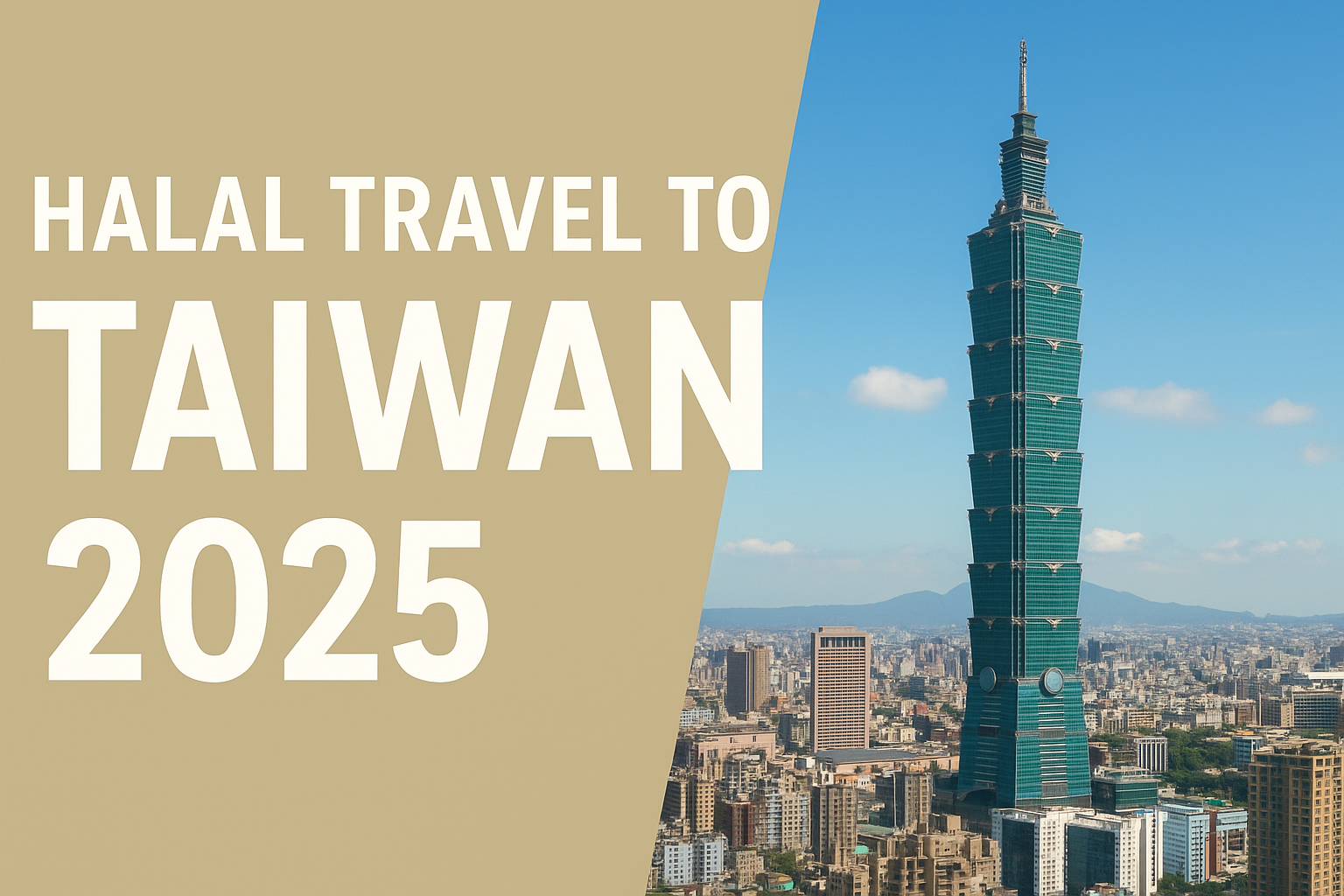
Halal Travel to Taiwan 2025: A Complete Muslim-Friendly Guide
Introduction: Why Taiwan is a Rising Destination for Muslim Travelers Taiwan, an island nation in East Asia, is emerging as a halal-friendly travel destination for Muslim travelers in 2025. Known for its blend of modern cities, night markets, natural beauty, and cultural diversity, Taiwan offers both adventure and comfort while respecting Islamic values. With the growing number of halal restaurants, prayer spaces, and Muslim-friendly hotels, Taiwan is steadily becoming a top choice for Muslim travelers in Asia. The Taiwan Tourism Bureau has also introduced halal certifications to ensure that Muslim visitors feel welcomed and cared for throughout their journey. Halal Travel to Taiwan 2025: A Complete Muslim-Friendly Guide 🌆 Top Muslim-Friendly Cities in Taiwan Taipei – The Heart of Taiwan Taipei, the vibrant and dynamic capital of Taiwan, is the perfect gateway for Muslim travelers exploring the island. Known for its stunning skyline dominated by the iconic Taipei 101 skyscraper, colorful night markets like Shilin Night Market, and rich cultural attractions such as the National Palace Museum, the city beautifully blends tradition with modernity. Halal Food in Taipei: Muslim travelers don’t need to worry about meals here. Taipei is home to a growing number of halal-certified eateries. From delicious Chang Beef Noodles to Middle Eastern delights at Turkish kebab shops, the city ensures you’ll always find a meal that meets Islamic dietary requirements. Mosques and Prayer Facilities: For spiritual comfort, Taipei Grand Mosque stands as the largest and most important mosque in Taiwan. Built in 1960, it not only provides prayer facilities but also serves as a center for the Muslim community, hosting religious and cultural events. halal food options, and accessible mosques, Taipei makes an ideal first stop for any Halal Travel to Taiwan 2025 journey. 2. Kaohsiung – Taiwan’s Port City Kaohsiung, Taiwan’s bustling port city in the south, offers a refreshing mix of coastal beauty, modern attractions, and cultural landmarks. Known for the scenic Love River, stunning skyline views, and its lively art scene, the city has become one of Taiwan’s fastest-growing travel destinations. Travelers can explore the futuristic Pier-2 Art Center, stroll through the colorful Liuhe Night Market, or take in panoramic city views from the 85 Sky Tower. Halal Food in Kaohsiung: Muslim visitors will find several halal-certified dining options in Kaohsiung, ranging from Southeast Asian flavors like Thai and Malaysian cuisines to Middle Eastern restaurants serving kebabs and shawarma. Many eateries are located close to the city center and major tourist spots, Mosques and Prayer Facilities: The Kaohsiung Mosque, established in 1949, is the second-largest mosque in Taiwan and serves as a spiritual and cultural hub for Muslims in the south. It offers daily prayers, Friday sermons, and community activities, ensuring Muslim travelers feel welcomed and connected. With its rich blend of culture, waterfront beauty, halal-friendly dining, and accessible mosques. 3. Taichung – Nature & Modern Lifestyle Taichung, Taiwan’s vibrant cultural hub, is perfect for Muslim travelers who enjoy art, museums, and beautiful green spaces. The city blends tradition with modernity, offering attractions like the colorful Rainbow Village, the stunning National Taichung Theater, and the scenic Sun Moon Lake, a must-visit spot for nature lovers. Families will also enjoy the city’s parks, shopping streets, and night markets. Halal Food: Taichung features several halal-certified restaurants serving authentic Asian, Turkish, and Middle Eastern dishes, ensuring Muslim visitors enjoy delicious meals with peace of mind. 4. Tainan – Taiwan’s Oldest City Tainan, often called the cultural heart of Taiwan, is the country’s oldest city and a treasure for history lovers. Known for its beautifully preserved temples, traditional architecture, and heritage sites, Tainan offers Muslim travelers a glimpse of Taiwan’s deep-rooted past. The city is also famous for its lively street food culture and bustling markets, though halal options are limited. Halal Food: Some halal-friendly eateries can be found near universities and student areas. Mosques: The Tainan Mosque provides prayer facilities and serves as a spiritual hub for the local Muslim community. 5. Hualien – Gateway to Taroko Gorge Hualien, located on Taiwan’s stunning east coast, is the ideal base for exploring the breathtaking Taroko National Park, known for its marble canyons, lush mountains, and serene beaches. The city is perfect for Muslim travelers who enjoy nature, adventure, and peaceful retreats away from the bustle of big cities. Halal Food: While halal-certified restaurants are limited, travelers can rely on fresh seafood and vegetarian dishes, which are widely available. Mosques: Dedicated mosques are rare, but prayer rooms and quiet spaces are accessible for visiting Muslims. 🍽 Halal Food in Taiwan Taiwan is famous for its night markets and street food, and now many stalls are halal-certified to accommodate Muslim visitors. Popular halal dishes include: Halal beef noodles Turkish kebabs Malaysian curries Vegetarian dumplings 👉 For the best halal food guides, check: HalalTrip Taiwan Food Guide. Mosques & Prayer Spaces in Taiwan Taiwan has several mosques spread across the island, making it convenient for Muslim travelers: Taipei Grand Mosque – Largest mosque in Taiwan Kaohsiung Mosque – Active Muslim community hub Taichung Mosque – Serves central Taiwan Tainan Mosque – Important for southern Taiwan Most airports and some malls also provide prayer rooms for Muslims. 🏨 Muslim-Friendly Hotels in Taiwan Many hotels across Taipei, Kaohsiung, and Taichung now provide halal-certified meals, prayer mats, and Qibla direction signs. Some popular options include: Taipei Muslim Hotel Kaohsiung Halal Stay International chains like Hilton & Novotel (halal options available) 🧳 Halal Travel Tips for Taiwan Always look for halal-certified labels in restaurants and night markets. Carry a travel prayer mat for convenience. Download offline maps, as some rural areas have limited internet. Dress modestly, especially when visiting temples or heritage sites. ✈ Best Time to Visit Taiwan Spring (March–May): Cherry blossoms and mild weather Autumn (September–November): Perfect for sightseeing and outdoor trips Summer (June–August): Hot but lively with festivals Winter (December–February): Cooler, great for mountain lovers 📌 Conclusion Halal Travel to Taiwan 2025 promises a unique experience where Muslim
AI-Powered Halal Travel Planning – The Future of Faith-Friendly Journeys
The global halal tourism industry is expanding rapidly, and Muslim travelers are increasingly searching for smarter, more personalized solutions to explore the world without compromising faith. With the rise of artificial intelligence AI-powered halal trip planning is transforming how Muslims book flights, hotels, and halal-friendly experiences. Instead of relying only on traditional travel agents, AI tools now act as intelligent assistants, curating itineraries that respect dietary needs, prayer facilities, and Islamic values. This shift raises a critical question: Can AI really serve as a reliable travel agent for halal travel? 1. Smart Personalization Through AI-Powered Halal Travel Planning AI-powered halal trip planning is transforming the way Muslims explore the world. Instead of relying on one-size-fits-all travel packages, artificial intelligence studies traveler preferences such as budget, halal dining needs, destination type, and prayer accessibility. This ensures that every journey is not only convenient but also faith-friendly. The biggest advantage is that AI reduces stress for Muslim travelers by automating research that normally takes hours. 1.1 Tailored Itineraries for Muslim Travelers One of the most powerful benefits of AI-powered halal trip planning is its ability to design personalized itineraries. For example, a Muslim family planning a trip to Europe can receive recommendations for hotels near mosques, restaurants with certified halal food, and family-friendly attractions that respect Islamic values. Unlike traditional travel agents who often miss these details, AI ensures that halal requirements remain the priority. This personalized system gives Muslim travelers peace of mind and freedom to focus on enjoying their trip. 1.2 Real-Time Travel Assistance Travel often comes with unexpected challenges like delayed flights, long layovers, or unfamiliar cities. Through AI-powered halal travel planning, smart assistants and chatbots provide instant solutions. They can alert travelers about changes in flight schedules, suggest nearby halal restaurants, and even share accurate prayer times for any location. This real-time support is particularly valuable during Ramadan or Hajj season when time management and faith-based routines are crucial. 1.3 Seamless Language and Cultural Navigation Muslim travelers often face challenges in countries where halal awareness is limited, such as Japan, South Korea, or parts of Europe. AI-powered halal travel planning solves this problem through advanced translation tools and cultural guides. These tools not only help identify authentic halal food but also recommend respectful activities that align with Islamic practices. This makes it easier for Muslims to feel at home, even in non-Muslim-majority countries. (Explore more about Muslim-friendly tourism in Halal Traveling in North Korea ) 2. AI-Powered Halal Travel Planning for Dining and Accommodation Food and accommodation are the foundation of every travel experience, especially for Muslims who prioritize halal standards. AI-Powered Halal Trip Planning simplifies these aspects by filtering out non-compliant options and presenting only those that meet Islamic values. From locating halal-certified restaurants to verifying Shari’ah-compliant hotels, AI ensures that every part of the journey is trustworthy and convenient. 2.1. Halal Restaurant Recommendations Finding halal food in new destinations can often be a challenge. With AI-Powered Halal Trip Planning, travelers can instantly access halal-certified restaurants nearby. AI systems cross-check multiple platforms like Zabihah, HalalTrip, and even Google reviews to confirm authenticity and quality. For example, a Muslim traveler in New York City can use AI to locate top-rated halal food trucks within minutes, avoiding confusion or wasted time. This tailored guidance provides both peace of mind and culinary satisfaction. 2.2. Shari’ah-Compliant Hotels Not every hotel labeled “Muslim-friendly” truly follows Islamic requirements. AI tools bridge this gap by carefully analyzing accommodation features such as halal food availability, prayer facilities, alcohol-free environments, and family-friendly amenities. AI-Powered Halal Trip Planning gives travelers the confidence that their lodging respects Islamic principles. For instance, AI can recommend hotels in Europe that specifically offer halal-certified meals and provide qibla directions in rooms. 2.3. Local Experiences with a Halal Focus Beyond food and hotels, AI also personalizes cultural and spiritual experiences. Travelers can receive recommendations for Islamic heritage tours, Ramadan iftars, or local Muslim community gatherings. AI ensures these activities align with halal values and enrich the overall journey. Whether it’s joining a halal food festival in Malaysia or exploring historic mosques in Spain, AI-Powered Halal Travel Planning allows Muslim travelers to engage deeply with faith-centered tourism. (For a deeper look at halal dining, check out Top 3 Halal Food Trucks in NYC Serving Authentic Muslim-Friendly Meals.) 3. Can AI Replace Traditional Travel Agents? This is one of the most debated questions in AI-powered travel planning. Muslim travelers often wonder whether relying on artificial intelligence is enough, or if traditional travel agents still hold an edge. The truth lies in comparing cost, convenience, and emotional support. 3.1 Cost-Effective Planning Traditional agencies usually charge hefty service fees, which can increase overall travel expenses. In contrast, AI-powered halal travel planning tools provide budget-friendly solutions by analyzing flights, halal dining options, and accommodation with minimal or no cost. For example, an AI platform can suggest halal-certified hotels in Istanbul or halal chicken rice restaurants in Singapore without additional consultation charges. This makes halal tourism more affordable and accessible to every Muslim traveler. 3.2 Accessibility and Convenience Unlike human agents who work fixed hours, AI tools operate 24/7. Whether you are booking a halal-friendly hotel at midnight or searching for nearby halal food outlets while traveling in Europe, AI provides instant, location-based guidance. AI-powered halal travel planning apps can also sync with prayer times, highlight nearby mosques, and recommend halal restaurants with real-time directions. This convenience ensures that Muslim tourists never feel stranded when it comes to faith-based travel needs. 3.3 The Human Touch Factor Despite its efficiency, some travelers still prefer traditional agents because of the personal relationship, reassurance, and emotional comfort they provide. However, modern AI systems are becoming increasingly intuitive by using natural language processing and empathetic chatbots. These tools can simulate human-like conversations, offering reassurance along with faith-sensitive recommendations. Over time, AI-powered halal trip planning may bridge the emotional gap completely, blending human warmth with digital precision.(Halal Travel to Zimbabwe: A Complete Muslim-Friendly Guide 4. Future of AI-Powered Halal Travel
Halal Travel to Morocco: A Complete Muslim-Friendly Guide 🌍✨
When it comes to Muslim-friendly destinations, halal travel to Morocco is at the top of the list. With its rich Islamic history, breathtaking landscapes, and warm hospitality, Morocco offers everything a Muslim traveler could ask for. From delicious halal food 🍲 and vibrant souks 🛍️ to centuries-old mosques 🕌 and relaxing hammams, Morocco is a dream destination for halal-conscious tourists. In this detailed guide, we’ll explore everything you need to know about halal travel to Morocco — including halal food, prayer facilities, attractions, cultural tips, and more. Why Choose Halal Travel to Morocco? 🌟 Morocco is a Muslim-majority country where Islamic traditions are deeply rooted in daily life. Nearly all restaurants serve halal food, prayer spaces are widely available, and Islamic culture is proudly showcased. For Muslim travelers seeking comfort and ease, halal travel to Morocco ensures: Authentic Islamic heritage in cities like Fez, Marrakech, and Casablanca. Halal-friendly cuisine that delights every palate. Accessible mosques for daily prayers. Warm hospitality aligned with Muslim values. If you want to experience the blend of tradition and modernity in an Islamic environment, Morocco is the perfect choice. In Morocco, the official currency is the Moroccan Dirham (MAD). 💰 1 Dirham is divided into 100 centimes. Coins are commonly available in denominations of 1, 2, 5, and 10 dirhams, plus smaller centime coins. Banknotes usually come in 20, 50, 100, and 200 dirhams. The Dirham is a closed currency, which means you can’t easily buy or sell it outside Morocco — it’s best to exchange your money upon arrival at airports, banks, or authorized exchange offices. Best Cities for Halal Travel to Morocco 🕌 Marrakech – The Red City 🌴 Known as the heart of Moroccan culture, Marrakech offers incredible halal-friendly experiences. Visit the iconic Koutoubia Mosque, explore the lively Jemaa el-Fnaa Square, and indulge in halal Moroccan tagines and couscous. The city is also home to traditional riads (guesthouses) that provide a Muslim-friendly stay. 👉 Learn more about Marrakech on Visit Morocco Official. Fez – The Spiritual Capital 📚 Fez is Morocco’s oldest imperial city and the center of Islamic scholarship. The University of Al Quaraouiyine, founded in 859 CE, is recognized as the world’s oldest existing university. Walking through the Medina feels like traveling back in time — halal eateries and prayer spaces are everywhere. Casablanca – Modern Meets Traditional 🌊 Casablanca combines modern business hubs with Islamic heritage. The Hassan II Mosque, one of the largest mosques in the world, is a must-see. Halal restaurants, shopping malls, and seaside views make this city ideal for Muslim travelers. Chefchaouen – The Blue Pearl 💙 If you’re looking for a peaceful retreat, Chefchaouen offers serenity. Known for its blue-painted streets, this city is a haven for photography lovers and travelers who want halal food in a calm environment. Halal Food in Morocco 🍲 One of the highlights of halal travel to Morocco is its cuisine. Since Morocco is a Muslim country, almost all food is halal. However, it’s always best to ask if alcohol or non-halal ingredients are used in certain dishes. Must-try halal Moroccan dishes include: Tagine 🥘 – slow-cooked meat and vegetables. Couscous 🍚 – steamed semolina topped with meat and veggies. Harira Soup 🍲 – a Ramadan favorite. Pastilla 🥧 – a savory pie with spiced meat. Mint Tea 🍵 – Morocco’s national drink (non-alcoholic). 👉 For more on Moroccan cuisine, check Taste Atlas – Moroccan Food. Mosques and Prayer Facilities in Morocco 🙏 For Muslim travelers, Morocco is incredibly convenient. Every city has mosques, and prayer rooms are often available in shopping malls, airports, and public spaces. Famous Mosques in Morocco: Hassan II Mosque (Casablanca) – one of the largest in the world. Koutoubia Mosque (Marrakech) – historic and beautiful. Al Quaraouiyine Mosque (Fez) – tied to the world’s first university. Wherever you go, you’ll find ample space for prayers, making halal travel to Morocco stress-free. Halal-Friendly Accommodation in Morocco 🏨 When planning halal travel to Morocco, accommodation is important. Luckily, many hotels and riads cater to Muslim travelers. Options include: Halal-friendly riads in Marrakech and Fez, offering private spaces and no alcohol. Family-friendly hotels that respect Islamic values. Luxury halal resorts along the coast in Agadir and Casablanca. 👉 Check halal-friendly accommodations on Halal Booking. Things to Do During Halal Travel to Morocco 🗺️ Explore the Souks (Markets) 🛍️ – perfect for halal souvenirs like spices, clothing, and handicrafts. Relax in a Hammam 🛁 – traditional bathhouses with gender-separated facilities. Desert Safari in Sahara 🐪 – enjoy camel rides and halal-friendly camps under the stars. Visit Islamic Monuments – palaces, madrassas, and mosques showcase a rich heritage. Enjoy Halal Adventure Activities – hiking in the Atlas Mountains or surfing in Essaouira. Travel Tips for Halal Travel to Morocco ✈️ To make your journey smoother, here are some tips for halal travel to Morocco: Dress modestly – Morocco is a conservative country, so wearing modest clothing is recommended. Respect prayer times – many shops close during Friday prayers. Avoid alcohol zones – although alcohol is legal, most Muslim-friendly places don’t serve it. Use public hammams – but check gender-specific timings. Learn basic Arabic phrases – like “Salaam Alaikum” or “Shukran.” Best Time for Halal Travel to Morocco 🌤️ Morocco is a year-round destination, but the best time depends on your preferences: Spring (March–May) – pleasant weather, ideal for sightseeing. Autumn (September–November) – cool temperatures, fewer crowds. Ramadan – a spiritual experience with special foods and nightly prayers. During Ramadan, halal travel to Morocco becomes extra special, as you can enjoy communal iftars and Taraweeh prayers. Shopping in Morocco 🛍️ Moroccan markets are vibrant and halal-friendly. You’ll find: Islamic clothing, like abayas and kaftans. Handcrafted prayer mats. Natural products like argan oil. Traditional Moroccan lamps and décor. Bargaining is part of the culture, so enjoy the experience! Conclusion: Why Halal Travel to Morocco is a Must 🌍✨ From halal food and historic mosques to warm hospitality and stunning landscapes, Morocco is one of the best destinations for Muslim travelers.
Halal Lifestyle – A Complete Guide for Modern Muslims ✨
Introduction: What is Halal Lifestyle? 🌿 The term halal simply means “permissible” in Arabic. While many people only associate halal with food, the reality is much deeper. Halal lifestyle covers every aspect of a Muslim’s life – from what we eat and wear, to how we earn money, travel, and interact with others. It’s about living a life that is pure, ethical, and pleasing to Allah ﷻ. Today, halal lifestyle has grown into a global concept, with millions of Muslims seeking halal options in every part of their daily lives. (For a detailed explanation of halal in Islam, you can check this resource from Islamic Relief Worldwide). Halal Food: The Foundation of Halal Living 🍲 Food is the most common area where halal is discussed. For Muslims, eating halal means consuming food that is lawful and avoiding anything haram such as pork, alcohol, and improperly slaughtered meat. In recent years, the halal food industry has grown into a multi-billion-dollar market, offering everything from halal fast food chains to gourmet dining experiences. Restaurants worldwide now highlight halal certifications, and Muslim travelers can find apps that guide them to halal restaurants no matter where they go. Beyond just meat, halal also applies to ingredients like gelatin, flavorings, and even cooking oils. Choosing halal food is not just about religious obligation, but also about health, purity, and trust. (For halal food certification, visit the Halal Food Authority). Halal Travel: Exploring the World with Faith 🌍✈️ Halal lifestyle extends into travel too. Many Muslims want to explore the world but still maintain their values. That’s why the concept of halal tourism has grown so rapidly. Halal-friendly destinations offer prayer facilities, halal restaurants, alcohol-free hotels, and family-friendly attractions. Countries like Malaysia, Turkey, Indonesia, and even non-Muslim countries like Japan and the UK are now welcoming Muslim travelers with halal tourism packages. (Check out HalalTrip for guides on halal-friendly destinations and travel tips.) Halal Finance: Earning and Spending the Right Way 💰 Another key part of halal lifestyle is financial dealings. Islam encourages earning money in a halal way, free from interest (riba), fraud, and unethical practices. That’s where Islamic finance comes in. Today, Islamic banks and financial institutions exist in many countries, offering Shariah-compliant services like profit-sharing, halal investments, and zakat-based models. For Muslims, halal finance means peace of mind – knowing their wealth is managed in a way that is ethical and permissible. (For more on Islamic banking, see Islamic Finance News). Halal Fashion: Dressing with Modesty and Style 🧕 Fashion is not excluded from halal lifestyle. In Islam, modesty (haya) is highly valued, and this extends to clothing choices. The halal fashion industry has exploded in recent years, with modest fashion weeks, hijab-friendly brands, and Muslim designers gaining international recognition. (Read about the rise of modest fashion in Business of Fashion). Halal Entertainment & Media 🎶📚🎥 Living a halal lifestyle also includes the type of entertainment we consume. Islam encourages avoiding content that promotes immorality, gambling, or indecency. Thankfully, the modern world now offers a growing market of halal entertainment options – from Islamic TV channels and podcasts to halal comedy shows, films, and even social media influencers who promote positive values. (Explore Muslim Vibe for halal-friendly media and articles.) Health & Fitness in a Halal Lifestyle 🏋️♂️🍏 A complete halal lifestyle also includes taking care of one’s body. Islam teaches that the body is a trust from Allah, and we must look after it. This means eating clean, exercising regularly, and avoiding harmful substances like drugs or alcohol. (Check out Amaliah for Muslim women’s health, fitness, and lifestyle tips.) Halal Lifestyle in the Digital Age 📱🌐 Technology plays a huge role in modern halal lifestyle. From halal food delivery apps and Islamic banking apps to prayer time reminders and Quran learning platforms, digital tools make it easier for Muslims to live according to halal values. (You can explore Islamic apps on Muslim Pro). Why Halal Lifestyle Matters 🌸 Living a halal lifestyle is not only about rules, but about living with purpose, peace, and blessings. It helps Muslims maintain their faith in every situation – whether they are eating, traveling, working, or relaxing. A halal lifestyle also promotes ethics, health, and community well-being, which benefits not just Muslims, but society as a whole. Practical Tips to Start a Halal Lifestyle ✅ Always check halal certification for food and drinks. Choose Islamic banks or halal financial services. Dress modestly but comfortably. Plan halal-friendly travel when going abroad. Support halal businesses and brands. Avoid entertainment that goes against Islamic values. Stay healthy with halal food and regular fitness. Conclusion: Embracing Halal Lifestyle 🌟 Halal lifestyle is more than just avoiding haram. It’s a holistic way of life that combines faith, health, ethics, and modern living. Whether through halal food, travel, fashion, finance, or entertainment, Muslims today have countless options to live in a way that is pleasing to Allah and fulfilling for themselves. Choosing halal lifestyle is choosing peace, purity, and purpose – a path that connects spirituality with everyday actions. 🌿 Ready to embrace the halal lifestyle? 🌍✨ Start with small steps – try halal-certified food, explore halal-friendly travel. Share this blog with your friends and family so we can all grow together in this journey of faith and modern living. 💚
Top 5 Halal Street Foods Around the World”
Halal food is not just about taste but also about faith. Across the globe, Muslims and non-Muslims alike enjoy Halal Street Food, which combines authentic flavors with spiritual peace. Allah ﷻ says in the Qur’an: يَـٰٓأَيُّهَا ٱلنَّاسُ كُلُوا۟ مِمَّا فِى ٱلْأَرْضِ حَلَـٰلًۭا طَيِّبًۭا وَلَا تَتَّبِعُوا۟ خُطُوَٰتِ ٱلشَّيْطَـٰنِ ۚ إِنَّهُۥ لَكُمْ عَدُوٌّۭ مُّبِينٌ ١٦٨ O humanity! Eat from what is lawful and good on the earth and do not follow Satan’s footsteps. He is truly your sworn enemy. (Surah Al-Baqarah 2:168). This command reminds us that enjoying Halal Street Food is both a blessing and a responsibility. In this blog, we will explore the Top 5 Halal Street Foods Around the World, covering unique flavors, sunnah-inspired nutrition, and popular destinations like halal food at Arab Street in Singapore and halal food street at Camp North End in the USA. 1. Shawarma – Middle East’s Iconic Flavor Origins of Shawarma Shawarma is one of the most popular and beloved Halal street foods in the Middle East. It originated during the Ottoman era in Turkey, where seasoned meat was cooked slowly on a vertical rotisserie. Over time, this delicious dish spread across Syria, Lebanon, Palestine, and Saudi Arabia, becoming a cultural symbol of hospitality and Halal food excellence. Today, Shawarma is not only a Middle Eastern favorite but also a global sensation enjoyed in Europe, Asia, and North America. Why Muslims Love Shawarma Muslims love Shawarma because it represents both taste and tradition. Prepared with slow-roasted chicken, beef, or lamb, Shawarma is always Halal-certified and rich in protein. It can be served in soft pita bread or with rice, often paired with tahini, garlic sauce, and fresh vegetables. Prophet Muhammad ﷺ encouraged moderation in eating and appreciated well-prepared meat, which makes Shawarma a Sunnah-inspired dish when consumed with balance. Its versatility and nutritional value make it a healthy and faith-friendly choice for Muslims around the world. Where to Find It Shawarma is found in every major Muslim city, from the bustling souks of Dubai and Riyadh to the lively food streets of Istanbul. In Singapore, Arab Street is particularly famous for its Shawarma stalls, where modern culinary techniques blend seamlessly with authentic Halal traditions. Whether traveling in the Middle East or abroad, Shawarma remains the undisputed king of Halal street food. 2. Falafel – A Vegan Sunnah Delight What is Falafel? Falafel is one of the most loved vegan Halal Street Food items, originally rooted in the Middle East, especially Egypt. These golden, crispy balls are made from ground chickpeas or fava beans, mixed with fresh herbs like parsley, cilantro, and garlic. Deep-fried until perfectly crunchy on the outside and soft inside, Falafel is usually served in pita bread with vegetables, pickles, and sauces like tahini or hummus. Its simple ingredients make it both affordable and accessible, which is why it became a street food staple across the Muslim world. Sunnah & Health Connection Chickpeas, the core of Falafel, are part of Sunnah nutrition and highly valued in Islamic tradition. Rich in protein, fiber, and essential minerals, they provide long-lasting energy and improve digestion. Prophet Muhammad ﷺ emphasized eating wholesome and balanced meals, avoiding excess, and consuming foods that bring both strength and health. For Muslims who prefer a plant-based lifestyle, Falafel is an ideal Sunnah-friendly dish—light, nourishing, and Halal-certified. Its vegan nature also makes it a bridge between Muslim and non-Muslim food lovers, uniting communities through a shared appreciation of healthy, Halal food. Where to Find It Falafel is a common street food in Egypt, Jordan, Lebanon, and Palestine. Internationally, it has become a symbol of Halal vegan food. In the United States, Muslim-friendly spots like Camp North End in Charlotte offer authentic Falafel that reminds travelers of traditional flavors back home. 3. Kebabs – A Grilled Tradition History of Kebabs Kebabs have a rich heritage that dates back to Central Asia and the Ottoman Empire, before spreading across the Muslim world. The word “kebab” itself comes from Arabic and Persian roots, referring to roasted or grilled meat. Over centuries, this dish evolved into countless regional varieties, from juicy shish kebabs to minced seekh kebabs. Islamic Perspective Grilling meat reflects the Sunnah of eating wholesome and simple food. Kebabs are prepared with minimal oil, keeping them both pure and nutritious. Traditional marinades include ingredients like cumin, coriander, and black pepper—spices often praised in prophetic medicine for their healing and digestive benefits. Eating such food reminds Muslims to appreciate Halal, clean meals as blessings from Allah. Where to Find It In Istanbul’s bustling markets, kebabs are a proud symbol of Turkish hospitality, served with bread, rice, or fresh salad. Across South Asia, kebabs are part of street food culture, often sizzling on charcoal grills during festivals. Today, major cities like London, New York, and Toronto are dotted with Halal food trucks and restaurants serving smoky, freshly grilled kebabs—making this Sunnah-inspired dish accessible worldwide. 4. Biryani – A South Asian Classic Why Biryani is Special Biryani is more than just food—it’s a cultural icon across South Asia. Originating from royal kitchens, it became one of the most loved Halal Street Food dishes in India, Pakistan, and Bangladesh. Prepared with basmati rice, marinated meat, saffron, and a blend of spices, each bite carries tradition and comfort. Street vendors often serve it in foil packs or clay pots, making it affordable and accessible for everyone. Sunnah Ingredients What makes Biryani even more special is its connection to Sunnah-inspired ingredients. Black cumin (Nigella seeds), praised by Prophet Muhammad ﷺ as a cure for many illnesses (Hadith: Sahih al-Bukhari 5687), is often part of the spice mix. Other Sunnah-friendly ingredients like ginger, garlic, and coriander add both flavor and health benefits, reminding Muslims that food can be both nourishing and spiritually rewarding. Where to Find It Karachi’s Burns Road, Hyderabad’s Charminar, and Dhaka’s street bazaars are legendary for their flavorful Biryani stalls. Today, Muslim travelers can even find Halal-certified Biryani served from food trucks in London, Toronto, and New York—proving that this
Halal Travel to North Korea: A Complete Guide for Muslim✈️🌍
Exploring new destinations is always exciting, but for Muslim travelers, finding halal-friendly options is just as important as sightseeing. One destination that sparks curiosity is North Korea, a country known for its strict governance, unique culture, and limited tourism. While traveling here is unlike anywhere else in the world, Muslim visitors may wonder: Is halal travel to North Korea possible? In this extended guide, we’ll dive into everything you need to know about halal travel to North Korea, including halal food 🍲, prayer facilities 🕌, cultural expectations, attractions, visa rules, and practical tips to make your trip smooth and faith-friendly. Understanding Halal Travel to North Korea 🌏 When planning halal travel to North Korea, it’s important to understand the local context. North Korea is officially an atheist state, and religion is highly restricted. Unlike other Asian countries with visible Muslim populations, you won’t find open mosques, halal restaurants, or Islamic organizations here. That doesn’t mean you cannot visit as a Muslim. Travel to North Korea is possible only through authorized tour operators, who manage your flights, accommodation, guides, and daily schedule. Independent travel is not allowed. 👉 For more background on North Korea’s tourism rules, visit the official Koryo Tours website. A Brief History of Muslims in North Korea 📖 Before diving deeper into halal travel to North Korea, it’s useful to know whether Islam has any presence in the country. Unlike neighboring China, which has a long Muslim history, North Korea has no significant Muslim population. However: There is a mosque inside the Iranian Embassy in Pyongyang, primarily for diplomats. Few Muslim students and workers from Middle Eastern or African countries have lived temporarily in North Korea. Religious practice is largely private, with no public visibility. So while halal travel to North Korea is possible, it requires preparation since you cannot rely on local Muslim infrastructure. Halal Food in North Korea 🍛🥗 One of the biggest concerns for Muslims during halal travel to North Korea is food. Since there are no certified halal restaurants, travelers must adapt. What You Can Eat Vegetarian meals 🥦 – Kimchi, tofu, rice, and vegetable stews are staples in North Korean cuisine. Seafood dishes 🐟 – Fish and seafood are common in coastal regions. Fruits & snacks 🍏 – Seasonal fruits like apples, pears, and peaches are widely available. Tips for Halal-Friendly Eating Request vegetarian or seafood meals through your tour operator in advance. Avoid pork and alcohol, which are common in local cuisine. Bring packaged halal snacks like dates, biscuits, instant noodles, or tuna cans from abroad. Carry utensils 🍴 – A small fork, spoon, or travel knife ensures you can prepare your food hygienically. ➡️ Helpful resource: Learn more about halal travel food hacks for restricted destinations. Prayer Facilities in North Korea 🕌 For Muslim travelers, prayer is an essential part of the journey. Unfortunately, there are no public mosques in North Korea. However, there are private options: Hotel rooms 🏨: The easiest and most comfortable space for salah. Quiet corners during tours 🌿: Politely ask your guide for a short break if needed. Essentials to carry 🧳 A small prayer mat Digital Qibla compass or app Pocket Qur’an or mobile app 👉 Interesting fact: The Iranian Embassy mosque in Pyongyang is the only mosque in the country, but tourists typically cannot access it. Top Attractions During Halal Travel to North Korea 🏯 Even without halal infrastructure, the country offers fascinating attractions that make halal travel to North Korea memorable. 1. Pyongyang – The Capital 🏙️ Highlights: Kim Il-sung Square, Juche Tower, Mansudae Grand Monument, Arch of Triumph. The city is clean, organized, and showcases the political heart of the nation. 2. DMZ (Demilitarized Zone) 🚧 One of the most unusual borders in the world separates North and South Korea. A rare experience for history lovers. 3. Mount Myohyang ⛰️ A natural retreat with waterfalls, caves, and the International Friendship Exhibition. Ideal for those who love nature. 4. Kaesong 📜 A UNESCO World Heritage city, home to ancient palaces, Confucian sites, and traditional architecture. 5. Mass Games 🎉 A grand synchronized performance of dance, music, and gymnastics—one of the largest in the world. 6. Wonsan & Mount Kumgang 🌊 A scenic port city with beaches and mountains, less explored but beautiful. Practical Tips for Halal Travel to North Korea 🧳 Since halal travel to North Korea is very different from visiting other destinations, careful planning is essential. Book only through licensed agencies: Independent travel is not possible. Agencies like Koryo Tours and Young Pioneer Tours arrange halal-friendly adjustments if requested. Pack halal essentials: Snacks, instant food, toiletries with halal certification. Be discreet with religious practices: Perform salah privately, without drawing attention. Follow rules strictly: Photography, local interaction, and movement are monitored. Dress modestly 👕🧕: North Koreans dress conservatively; Muslim modest clothing fits well. Language barrier: Few locals speak English; a phrasebook helps. No internet: Tourists do not have access to Wi-Fi. Download apps and guides before travel. Do’s and Don’ts for Muslim Travelers ✔️❌ ✅ Do’s Respect local customs and laws. Inform your tour guide about dietary restrictions. Carry halal-certified packaged food. Use your hotel room for prayer. ❌ Don’ts Don’t openly practice religion in public. Don’t criticize leadership or politics. Don’t give locals religious materials (this is illegal). Don’t expect halal restaurants or mosques like in other countries. Why Consider Halal Travel to North Korea? 🌟 So, why should Muslims even think about halal travel to North Korea, especially when there are so many easier destinations like Malaysia, Turkey, or the UAE? The answer lies in the rare experiences, personal growth, and cultural insights that North Korea offers. 1. A Rare Travel Experience 🌍✈️ North Korea is one of the least-visited countries in the world. Unlike popular tourist destinations, where millions of people visit annually, North Korea welcomes only a small number of foreigners under tightly controlled tours. This makes your journey truly unique—something that few Muslims can say they have experienced. For many travelers, this exclusivity is a big
Halal Travel to Brazil & South America 2025
South America has long been admired for its colorful festivals, stunning natural wonders, and rich history. But in recent years, it has also become an emerging hotspot for halal travel. Countries like Brazil, Argentina, Chile, Peru, Colombia, and Mexico now welcome Muslim travelers with halal restaurants, mosques, and family-friendly attractions. If you’re planning a trip in 2025, this guide will help you explore the best halal-friendly destinations in South America while ensuring your Islamic values and comfort remain at the heart of your journey. Halal Travel to Brazil & South America 2025 🇧🇷 Halal Travel to Brazil 2025 Brazil, the largest country in South America, is also home to the biggest Muslim population in the region. From the buzzing streets of São Paulo to the golden beaches of Rio de Janeiro, Brazil offers plenty of halal food options, mosques, and cultural experiences. São Paulo: Known for its large Muslim community, here you’ll find halal restaurants serving Brazilian, Middle Eastern, and Asian cuisines. The Mesquita Brasil Mosque is one of the oldest and most iconic in the region. Rio de Janeiro: Famous for Sugarloaf Mountain and Copacabana Beach, Rio also has halal dining options and prayer spaces. Don’t miss the Islamic Cultural Center of Rio for a spiritual stop. Brasília: The capital city has several mosques and growing halal dining spots, making it easier for Muslim travelers to explore politics, architecture, and culture comfortably. 👉 Check halal restaurant guides via Zabihah or Google Maps halal search filters before heading out. 🇦🇷 Halal Travel to Argentina Argentina is world-famous for tango, passionate football culture, and delicious steak, but Muslim travelers will be glad to know it also offers halal dining, mosques in major cities, and welcoming hospitality, ensuring an enjoyable trip without compromising faith and values. Buenos Aires: The capital has a small but active Muslim community. Visit the King Fahd Islamic Cultural Center, one of the largest mosques in Latin America. Food: While beef dominates Argentine cuisine, many restaurants now offer halal-certified meat. Stick to international chains and Arab-owned restaurants for easier halal options. Attractions: Explore the Iguazu Falls, one of the world’s most stunning natural wonders, or head to Patagonia for breathtaking landscapes. 🇨🇱 Halal Travel to Chile Chile, stretching gracefully along South America’s Pacific coast, is a land of deserts, mountains, and vibrant cities. For Muslim travelers, it offers halal food options, mosques in Santiago, and unforgettable cultural experiences without compromising Islamic values. Santiago: The capital city has a growing halal scene, particularly Turkish and Middle Eastern eateries. The Mezquita As-Salam Mosque serves both locals and tourists. Nature: Don’t miss the Atacama Desert, one of the driest places on Earth, or the stunning landscapes of Patagonia, Chile. Muslim-Friendly Vibe: Chile is safe, modern, and respectful of religious diversity, making it welcoming for halal tourism. 🇵🇪 Halal Travel to Peru Peru is a dream destination for adventure seekers, famous for its breathtaking landscapes and cultural treasures. With the world wonder Machu Picchu and growing halal options, it offers Muslim travelers an unforgettable and spiritually comfortable journey.. But is it halal-friendly? Yes—with some planning. Lima: The capital offers a handful of halal restaurants and Arab-owned eateries. Look for Turkish and Lebanese cuisines. Cusco & Machu Picchu: While halal food is limited here, vegetarian dishes and seafood are widely available. Carry snacks and plan with halal-friendly apps. Mosques: The Muslim Association of Peru is based in Lima and offers prayer facilities. 🇨🇴 Halal Travel to Colombia Colombia, once overlooked by many travelers, has now become one of South America’s most vibrant destinations. With stunning landscapes, rich culture, and growing halal options, it offers Muslim travelers a warm and welcoming experience. Bogotá: The capital city has mosques such as the Asociación Islámica de Colombia and a few halal restaurants. Medellín: Known as the “City of Eternal Spring,” Medellín is perfect for families. Halal dining options are limited but growing. Experiences: Explore colorful towns like Guatapé and the stunning Caribbean coast. 🇲🇽 Halal Travel to Mexico Though technically in North America, Mexico is often included in Latin America travel plans. It’s a fantastic halal-friendly choice with its beaches, history, and culture. Mexico City: You’ll find multiple halal restaurants, mostly Turkish, Indian, and Middle Eastern. The Centro Cultural Islámico de México is the main mosque. Cancún: Famous for its turquoise beaches and luxury resorts. Some resorts offer halal food upon request—always confirm in advance. Other attractions: Don’t miss Chichen Itza, a UNESCO World Heritage site, and one of the Seven Wonders of the World. 📱 Essential Halal Travel Apps for South America To make your journey easier, download these apps: Zabihah – Find halal restaurants globally Muslim Pro – Prayer times, Quran, and Qibla direction HappyCow – For vegetarian and vegan options (useful in limited halal areas) Google Maps – Search “halal near me” + mosque locators 🌍 Practical Halal Travel Tips Learn key phrases in Spanish or Portuguese (like “carne halal” for halal meat). Contact local mosques in advance—they often guide travelers to halal food sources. Carry snacks like dates or packaged halal meals for long road trips. Dress modestly—Latin America is diverse, and modest wear is always respected. ✅ Conclusion South America may not be the first place that comes to mind for halal travel, but in 2025, it deserves a top spot on every Muslim traveler’s list. From Brazil’s vibrant Muslim community to the breathtaking landscapes of Argentina, Chile, Peru, Colombia, and Mexico, halal-friendly tourism here is growing steadily. With proper planning, apps, and awareness, a Halal Travel to Brazil & South America 2025 journey will not only give you unforgettable memories but also ensure peace of mind as you explore some of the world’s most stunning destinations—all while staying true to your Islamic values. 📌 Explore More Muslim-Friendly Travel Guides If you enjoyed our Halal Travel to Brazil & South America 2025 guide, don’t miss our other detailed blogs designed to help Muslim travelers explore the world with peace of mind: Halal Travel to
Halal Travel to Zimbabwe: A Complete Muslim-Friendly Guide
Zimbabwe, often celebrated for its awe-inspiring natural wonders and warm hospitality, is now becoming an emerging destination for Muslim-friendly tourism. With its vibrant culture, breathtaking wildlife safaris, and spiritual comfort provided by local Muslim communities, halal travel to Zimbabwe is a rewarding experience for every faith-conscious traveler. This comprehensive guide explores halal food options, mosques, accommodations, attractions, and practical travel tips—ensuring your journey through Zimbabwe is smooth, enriching, and halal-compliant. Why Choose Halal Travel to Zimbabwe? Halal travel to Zimbabwe offers Muslim travelers the chance to experience Africa’s stunning wilderness and cultural richness without compromising on faith-based needs. Zimbabwe stands out for several reasons: Natural Wonders 🌍 – Home to Victoria Falls, Lake Kariba, and Hwange National Park. Cultural Heritage – Ancient ruins, diverse ethnic groups, and deep traditions. Warm Hospitality – Zimbabweans are respectful and welcoming to Muslims. Halal-Friendly Services – Mosques, halal food, and Muslim-friendly communities in major cities. For travelers who wish to balance adventure with Islamic values, Zimbabwe is an ideal choice. Finding Halal Food in Zimbabwe 🍴 When planning halal travel to Zimbabwe, halal food options are an important consideration. Zimbabwe has small but active Muslim communities, particularly in Harare (capital) and Bulawayo, which ensures the availability of halal-certified food. Halal Restaurants in Zimbabwe The Halal Kitchen (Harare) – Serves Middle Eastern and African halal dishes. House of Curries (Bulawayo) – Famous for halal Indian and African fusion cuisine. Nando’s (selected outlets) – Some branches in Harare serve halal chicken (confirm before dining). Halal Butcheries and Grocery Stores Muslim-owned butcheries in Harare supply halal meat. Supermarkets like Spar and OK Zimbabwe sell imported halal products. Travel tip: Stock up on halal snacks for road trips and safaris, as halal options outside major cities may be limited. 👉 Read more on Zimbabwean cuisine. Mosques and Prayer Facilities in Zimbabwe 🕌 Muslims on halal travel to Zimbabwe will find several mosques and prayer facilities in key cities: Jamia Masjid (Harare Mosque) – The largest mosque in Zimbabwe’s capital. Bulawayo Mosque – A central mosque serving the Bulawayo Muslim community. Masjid Noor, Mutare – A prominent mosque in eastern Zimbabwe. Hotels may not have dedicated prayer rooms, but staff often assist travelers in finding private spaces for salah. Halal-Friendly Accommodation in Zimbabwe 🏨 Many hotels and lodges can accommodate halal needs if informed in advance. For a smooth halal travel to Zimbabwe experience, choose properties that cater to Muslim guests: Cresta Hotels – A local hotel chain with branches across Zimbabwe; halal meals can be pre-arranged. Meikles Hotel, Harare – A five-star option offering halal catering upon request. Private Safari Lodges – Many safari lodges allow guests to bring halal food or arrange special meals. 👉 Check hotels in Zimbabwe. Top Attractions for Halal Travel to Zimbabwe 🌟 Zimbabwe combines natural wonders with cultural heritage, making it perfect for Muslim travelers. 1. Victoria Falls – The Smoke That Thunders One of the world’s most famous waterfalls. Muslim-friendly tour operators can arrange halal meals during excursions. 2. Hwange National Park Home to elephants, lions, and diverse wildlife. Safaris are best enjoyed with pre-packed halal meals. 3. Great Zimbabwe Ruins A UNESCO World Heritage site showcasing the country’s ancient civilization. 4. Lake Kariba Peaceful and scenic, ideal for fishing, relaxation, and boat cruises. 5. Matobo Hills (Bulawayo) Rich in history, culture, and scenic landscapes, Bulawayo’s Muslim community adds to its halal-friendly environment. Muslim-Friendly Communities in Zimbabwe 🤝 The Muslim population is small but vibrant, mostly concentrated in Harare and Bulawayo. These communities operate halal restaurants, mosques, and schools. Connecting with them enhances the halal travel to Zimbabwe experience and provides a sense of belonging. Challenges of Halal Travel to Zimbabwe 🚧 While traveling in Zimbabwe is enriching, Muslim visitors may face some challenges: Limited halal-certified restaurants in rural areas. Safari lodges serving game meat that may not be halal. Few dedicated prayer facilities at airports and in remote destinations. However, with careful planning—such as carrying halal food and mapping mosque locations—these challenges can be managed. Tips for Planning Halal Travel to Zimbabwe ✈️ Book Early – Especially for halal-friendly safari lodges. Use Halal Travel Agencies – They can arrange Muslim-friendly tours. Pack Essentials – Carry halal snacks and a travel prayer mat. Friday Jumu’ah – Stay near a mosque on Fridays for congregational prayers. Modest Clothing – Appreciated in rural communities and cultural sites. 👉 Find halal travel tips. Suggested Itinerary: Halal Travel to Zimbabwe 📅 Here’s a 7-day itinerary balancing adventure and Islamic comfort: Day 1-2: Harare – Explore the city, visit Jamia Masjid, and enjoy halal dining. Day 3-4: Victoria Falls – Guided halal-friendly tours and scenic views. Day 5: Hwange National Park – Safari with packed halal food. Day 6: Bulawayo & Matobo Hills – Visit Bulawayo Mosque, explore heritage sites. Day 7: Great Zimbabwe Ruins – Discover ancient history before departure. Practical Information for Halal Travelers ℹ️ Currency: US Dollars (USD) are the main currency. Language: English is widely spoken. Best Time to Visit: May–September (dry season, great for safaris). Transport: Domestic flights, buses, and car rentals are available. Weather: Warm days, cool evenings in the dry season. 👉 Official Zimbabwe tourism site. Final Thoughts on Halal Travel to Zimbabwe 🌍 Zimbabwe is a treasure trove of natural wonders, cultural heritage, and spiritual comfort for Muslim travelers. With mosques, halal food outlets, and welcoming communities, halal travel to Zimbabwe is not just possible but deeply enriching. By planning ahead, Muslim travelers can fully enjoy the beauty of Victoria Falls, the thrill of safaris, and the serenity of Zimbabwe’s landscapes—while staying true to halal practices. ✅ Add Zimbabwe to your bucket list and embrace a journey filled with halal-friendly adventure, spirituality, and unforgettable memories! If you’re planning more halal-friendly adventures, check out our guides on halal travel : Halal Travel to Nigeria – A Complete Muslim-Friendly Guide Halal Travel Guide Uzbekistan 2025 Halal Travel to Kenya – A Complete 2025 Guide
6th September 1965 Pakistan and India War History
The 1965 Pakistan and India War History stands as a defining moment in South Asian history, shaping military strategies, political decisions, and national pride. Beginning on September 6, 1965, this war reflected deep-rooted tensions over Kashmir and highlighted the courage of the Pakistani Armed Forces. From Operation Grand Slam to the Pathankot Airstrike, the role of the Pakistan Air Force, and the resilience of civilians, this war is remembered as a testimony of faith and determination. As the Qur’an reminds us: وَقُلْ جَآءَ ٱلْحَقُّ وَزَهَقَ ٱلْبَـٰطِلُ ۚ إِنَّ ٱلْبَـٰطِلَ كَانَ زَهُوقًۭا ٨١ “The truth has come and falsehood has vanished. Indeed, falsehood is bound to vanish.” (Surah Al-Isra 17:81). 1. 6th September 1965 – The Day of Valor The 1965 Pakistan and India War History officially escalated on September 6, when Indian forces crossed the international border near Lahore. Pakistan responded with full force, defending its sovereignty with unmatched courage. This date is celebrated as Defense Day in Pakistan, honoring those who sacrificed their lives. It also became a symbol of unity, resilience, and the unwavering spirit of the nation. Just as Pakistan Independence Day marked freedom in 1947, September 6 reinforced the need to protect that independence at all costs. 1.1 Lahore Front Defense On September 6, Indian forces advanced toward Lahore, but Pakistan Army’s 10th Division and civilian volunteers halted their progress. The courage shown at Burki and Wagah became legendary, inspiring generations to defend their homeland. The 1965 Pakistan and India War History highlights how unity and faith played a central role in protecting Lahore from falling. 1.2 Civilian Role in 1965 War Ordinary Pakistanis became extraordinary heroes. Civilians dug trenches, provided food, and supported the army. Women actively engaged in medical care while students volunteered to strengthen morale. The 1965 Pakistan and India War History reflects how this people’s participation transformed the war into a national cause, proving that defending freedom is everyone’s duty. 1.3 Symbol of National Unity Defense Day, celebrated annually, is not only a military commemoration but also a cultural event. Songs, speeches, and prayers remind the younger generation of the sacrifices made. The 1965 Pakistan and India War History reinforces the lesson that national unity is the backbone of survival in times of aggression. 2. Operation Grand Slam – Turning Point of the War One of the most decisive campaigns in the 1965 Pakistan and India War History was Operation Grand Slam, launched on September 1, 1965. The plan was bold: capture the strategic town of Akhnoor in Jammu, which served as a lifeline for Indian forces in Kashmir. Success here would have cut India’s major supply route and opened the door for Pakistan to strengthen its position in the disputed territory. At first, Pakistani forces gained momentum, surprising the Indian Army with their swift advance. However, due to leadership changes and operational delays, the campaign did not achieve its full potential. Many historians believe that had the plan been executed without disruption, the entire outcome of the war might have been different. 2.1 Strategic Goals of Operation The main goal of Operation Grand Slam was to break India’s control in Kashmir by choking its logistical backbone. Akhnoor was not just a small town; it was India’s crucial supply line to its forces stationed in the valley. By targeting this point, Pakistan intended to isolate Indian troops and force them into a weaker position. The 1965 Pakistan and India War History highlights this operation as a symbol of Pakistan’s determination to liberate Kashmir from illegal occupation. 2.2 Challenges and Delays Despite an impressive beginning, the operation faced setbacks. Unexpected delays and sudden changes in command slowed the Pakistani advance. These pauses gave the Indian Army critical time to regroup and strengthen its defenses. As a result, the momentum of the operation was lost. The 1965 Pakistan and India War History shows that in military conflicts, timing, unity, and leadership are as important as strategy itself. 2.3 Lessons from Grand Slam Although Operation Grand Slam did not achieve its ultimate objective, it left behind valuable lessons. The campaign displayed the courage, discipline, and sacrifice of Pakistani soldiers who fought with unwavering spirit. Military analysts today continue to study it as a case of how leadership changes can impact battlefield outcomes. The 1965 Pakistan and India War History ensures that the bravery shown during this operation is remembered, inspiring future generations of Pakistan’s armed forces. 3. PAF Dominance in 1965 War The Pakistan Air Force (PAF) earned global recognition during the 1965 Pakistan and India War History. Despite being smaller in size, PAF carried out daring missions, including the famous Pathankot Airstrike, which destroyed several Indian aircraft on the ground. Air Commodore M.M. Alam’s record of shooting down five Indian jets in less than a minute became legendary. PAF’s performance proved that skill, discipline, and faith can overcome numerical superiority. 3.1 Pathankot Airstrike Explained On September 6, 1965, the Pakistan Air Force (PAF) launched a surprise airstrike on the Indian Air Force base at Pathankot. Within minutes, PAF fighters destroyed 13 Indian aircraft, crippling India’s air defense in the region. The attack not only disrupted Indian supply lines but also boosted Pakistan’s confidence. Military historians describe this as one of the most successful aerial missions in South Asia’s history. In the 1965 Pakistan and India War History, Pathankot stands as a classic example of planning, speed, and execution. 3.2 Role of M.M. Alam Among the heroes of this war, Squadron Leader M.M. Alam became a living legend. During dogfights, he shot down five Indian jets within a few minutes, a record that astonished the world. His unmatched skill, faith, and courage continue to symbolize the strength of Pakistan’s air defense. In the 1965 Pakistan and India War History, M.M. Alam’s story is remembered as a blend of patriotism and professionalism, inspiring generations of PAF pilots. 3.3 Impact on Global Perception The success of Pathankot and PAF’s dominance shocked international observers. Analysts around the world praised Pakistan’s air strategy and precision. Some