“تَقَبَّلَ اللهُ مِنَّا وَمِنْكُمْ عِيْدٌ مُبَارَكٌ عَلَيْنَا وَعَلَيْكُمْ”
(“May Allah accept from us and from you — Eid Mubarak upon us and upon you.”)
Eid Mubarak — these simple words carry the warmth of faith, the light of brotherhood, and the fragrance of worship. As Muslims across the world echo the beautiful greeting, “تَقَبَّلَ اللهُ مِنَّا وَمِنْكُمْ عِيْدٌ مُبَارَكٌ عَلَيْنَا وَعَلَيْكُمْ,” we are reminded that Eid is not merely a festival — it is a day of acceptance, mercy, and sincere gratitude to Allah.
Eid al-Fitr and Eid al-Adha are both deeply rooted in the teachings of Islam. These are not just holidays, but acts of worship. They are opportunities to renew our connection with Allah, strengthen our ties with the Ummah, and demonstrate compassion toward the poor and needy.
The Prophet ﷺ said:
“They are days of eating, drinking and remembering Allah.”
— (Sahih Muslim 1141a)
In Islam, Eid is about expressing thankfulness for Allah’s favors and sustaining the spirit of taqwa (God-consciousness) we nurtured during Ramadan or while making the sacrifice in Dhul-Hijjah.
The Real Joy of Eid
- Reconnecting with family and community
- Distributing charity (Zakat al-Fitr and Qurbani)
- Attending the congregational Eid prayer
- Spreading peace, smiles, and forgiveness
The greeting “Eid Mubarak” reminds us that the joy of Eid is not personal—it’s collective. It belongs to the Ummah, shared by every believer regardless of location or status.
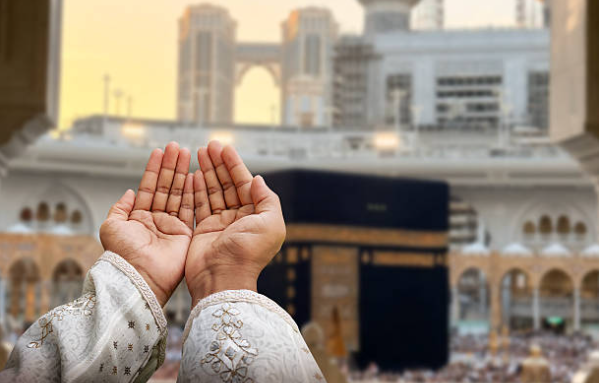
May this Eid be a source of inner peace, strength in faith, and unity among hearts. Let us forgive, reconcile, and raise our hands in du‘ā:
“Ya Allah, accept our prayers, fasts, sacrifices, and guide us upon Your straight path.”