
Eating in the way of Prophet Muhammad ﷺ is not just a tradition, it’s a Sunnah that brings blessings and balance to our lives. In today’s world of processed foods, his natural diet is an example of healthy and Halal living. Among his beloved foods were Pumpkin, Dates, and Figs, each carrying unique health benefits and spiritual value. These foods are also honored in the Qur’an and Hadith, making them special for every Muslim. Their simplicity, nutrition, and connection to faith make them powerful Sunnah foods.
👉 Explore more on Sunnah-based Halal eating in our guide: Halal Food & Sunnah Nutrition
🥣 1. Pumpkin – The Beloved Dish of the Prophet
Pumpkin (Arabic: Qar’a) was deeply loved by the Prophet Muhammad ﷺ. Among the many natural foods he ate, pumpkin holds a unique place in the Hadith. It is one of the few foods described in such personal detail. The Prophet ﷺ would pick pieces of pumpkin from a dish while eating, clearly showing his affection for it.
📜 Hadith Reference:
Anas ibn Malik (RA) said:
“I saw the Messenger of Allah ﷺ being served with a dish that had pumpkin in it, and he began to eat it. I have liked pumpkin ever since I saw the Prophet ﷺ eating it.”
(sahih muslim 2041b)
This narration reflects the love and attention the Prophet ﷺ gave to wholesome, simple foods. His eating habits continue to inspire Muslims seeking to live a pure and balanced life.
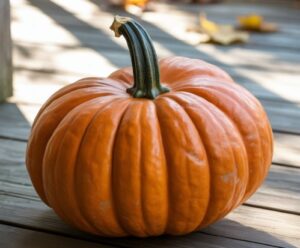
🌿 Health Benefits of Pumpkin (Modern Nutrition):
- High in beta-carotene – supports healthy vision and immunity
- Rich in antioxidants – helps reduce inflammation
- Excellent source of fiber – aids digestion and gut health
- Low in calories but nutrient-rich – ideal for a healthy weight and energy
Pumpkin can be added to stews, soups, rice dishes, or even roasted, making it an easy Sunnah food to include in your daily Halal meals.
🌴 2. Dates – The Prophetic Ifṭār Favorite
Dates (Arabic: Tamr) were the Prophet Muhammad ﷺ’s preferred choice to break his fast. Whether fresh or dried, they were eaten before Maghrib prayer as a blessed and nourishing Sunnah.
📜 Hadith Reference:
The Messenger of Allah (ﷺ) used to break his fast before praying with some fresh dates; but if there were no fresh dates, he had a few dry dates, and if there were no dry dates, he took some mouthfuls of water (Sunan Abū Dāwūd, 2356)
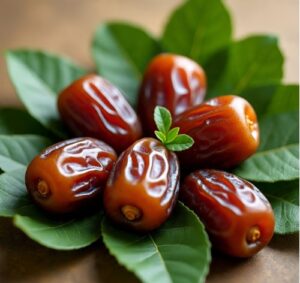
🌿 Health Benefits of Dates (Modern Nutrition):
- Packed with natural sugars like glucose and fructose—ideal for quick post-fast energy
- Rich in dietary fiber, aiding digestion and gut health
- Contains potassium, magnesium, and antioxidants, supporting heart health and reducing inflammation
- A wholesome, nutrient-rich option with zero processed ingredients
Including dates in your ifṭār not only follows Sunnah but also provides practical health benefits. They can also be blended into smoothies, chopped into oatmeal, or enjoyed on their own after sunset.
🌿 3. Figs – The Blessed Fruit of Paradise
Figs (Arabic: Teen) hold a special place in Islam, with Allah Himself swearing by them in the Qur’an, and the Prophet ﷺ acknowledging their heavenly nature. Though the hadith about their daily consumption is fewer, their spiritual and health significance is clear.
📖 Qur’anic Reference:
By the fig and the olive ˹of Jerusalem˺
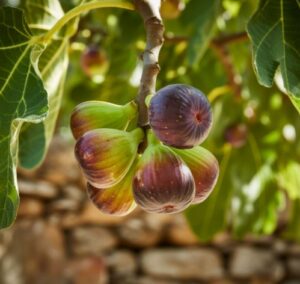
🌿 Health Benefits of Figs (Modern Nutrition):
- High in dietary fiber – promotes digestion and may reduce cholesterol
- Rich in potassium, magnesium, and calcium – supports heart, muscle, and bone health
- Contains antioxidants – helps combat inflammation and oxidative stress
- Offers natural sweetness without refined sugars—great for healthy snacking
Figs can be enjoyed fresh or dried, added to smoothies, paired with nuts, or used in desserts and breakfast recipes. Their unique flavor and natural benefits make them an excellent Sunnah snake.
✅ Conclusion
Following the food habits of Prophet Muhammad ﷺ is a beautiful way to bring Sunnah into our daily lives. Pumpkin, Dates, and Figs are not only blessed foods but also full of natural health benefits. Their mention in Hadith and Qur’an shows their spiritual and physical value. By adding them to our meals, we honor both our health and our faith. True Sunnah nutrition is simple, pure, and powerful.