
🌍 Introduction: What Makes Someone a Halal Food King?
In today’s rapidly growing global Halal economy, the demand for Halal food is more than just a religious necessity—it’s a booming industry shaping the future of ethical consumption. Whether you’re exploring the spice-filled streets of Lahore, shopping in modern Chinese supermarkets, or evaluating global Halal food companies, one thing is clear: the title “Halal Food King” belongs to those who prioritize purity, certification, trust, and quality.
In this blog, we dive deep into global Halal trends and consumer preferences across regions like China, Pakistan, Europe, and beyond. We’ll uncover what makes a Halal food company stand out, how certification works, and which authorities uphold Halal standards globally. Let’s crown the real Halal Food King—the businesses, cities, and practices leading the Halal movement.
🇨🇳 Halal Food in China – Challenges and Innovations
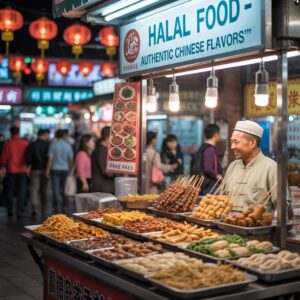
Halal food in China has witnessed a tremendous transformation over the past decade. With over 20 million Muslims—mainly from the Hui, Uyghur, and Kazakh communities—China’s Halal market is vast yet complex. In cities like Xi’an, Linxia (also called “China’s Little Mecca”), and Urumqi, Halal food is readily available, often featuring beef, lamb, and hand-pulled noodles (lamian).
However, the growing demand for Halal certification in China means suppliers must align with both local and international expectations. One of the main authorities working to monitor and regulate Halal practices is the Islamic Association of China, though many consumers still look for globally trusted certifications.
China may not yet be crowned as the Halal Food King, but its expanding infrastructure—especially in online food delivery and Muslim-owned kitchens—shows potential.
🕌 Halal Food Authority – Who Decides What’s Truly Halal?
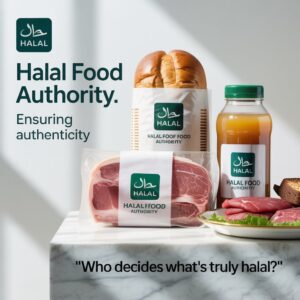
To be a trusted Halal brand, having a credible Halal food authority certification is essential. These are the organizations that inspect ingredients, slaughter practices, handling, and cross-contamination risks.
Some of the most respected Halal certification authorities globally include:
- JAKIM (Malaysia) – Known for its thorough inspections and strict protocols.
- HFA (Halal Food Authority – UK) – A key player in European certification.
- SANHA (South Africa) – Globally recognized for meat and food product certifications.
- IFANCA (USA) – Highly active in processed foods and pharmaceuticals.
These organizations are trusted by global importers and Muslim consumers. A food product bearing their seal is often prioritized by supermarkets, restaurants, and airlines.
The real Halal Food King in today’s world is the brand or outlet that aligns with these authorities, ensuring compliance with Islamic values and consumer transparency.
🏢 What Makes a Halal Food Company Stand Out?
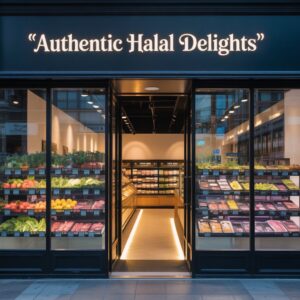
With the rise in Halal consumerism, being a Halal food company is not just about offering meat without pork or alcohol—it’s about following Islamic ethics from farm to fork.
Key features of a reputable Halal food company include:
- Shariah-Compliant Supply Chain – From sourcing animals raised without harmful additives to using Zabihah (ritual slaughter).
- Halal Certification – Endorsed by an internationally recognized Halal food authority.
- Transparent Labeling – Clear, honest ingredients list and allergen information.
- Community Engagement – Supporting Muslim causes or employing Muslim workers.
- Global Distribution – Serving international Muslim markets without compromising on Halal standards.
Some well-known global Halal food companies include:
- Al Islami Foods (UAE)
- Midamar Corporation (USA)
- Kawan Food Berhad (Malaysia)
- Crescent Foods (USA)
🔗 Find a list of international Halal food brands here: The Halal Foundation
These companies deserve the Halal Food King title because they continuously raise the bar in Halal quality and consumer trust.
🇵🇰 Halal Food in Lahore – The Beating Heart of Halal Cuisine
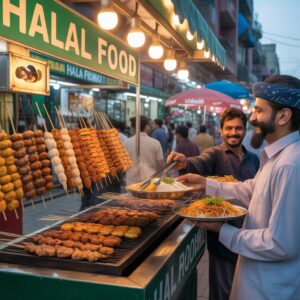
When it comes to the culinary capital of Pakistan, Halal food in Lahore is more than just tradition—it’s a celebration of faith, flavor, and fusion. Almost every eatery in Lahore serves Halal food by default, but a few iconic spots shine brighter:
- Butt Karahi – Lakshmi Chowk
Flame-grilled chicken and mutton Karahi in desi ghee. 100% Halal and mouthwatering! - Waris Nihari – Anarkali
Known for slow-cooked beef stew that’s fully Halal and beloved by generations. - Siddique Fish – Mozang
Halal seafood delight with family-friendly settings. - Salt’n Pepper Village
A buffet showcasing Pakistani Halal cuisine with JAKIM-approved import items.
Lahore’s Halal food culture is a mix of Mughal heritage, Punjabi generosity, and Islamic ethics. The city could easily be called the Halal Food King of South Asia.
📈 Global Trends in Halal Food – What to Expect in 2025
The Halal food industry is growing at over 7% annually, expected to hit $2 trillion by 2026. Here’s what’s trending in 2025:
- Halal Plant-Based Products – Vegan Halal-certified meat alternatives are booming.
- Halal Ready-to-Eat Meals – Convenience meets compliance with Muslim dietary laws.
- Blockchain & Traceability – Consumers want to track where their Halal food comes from.
- Halal in Non-Muslim Markets – UK, Japan, South Korea, and Brazil are increasing Halal exports.
- Halal Tourism Synergy – Airlines, hotels, and airports offering Halal-certified menus.
Halal food is no longer niche. It’s a mainstream ethical choice. From Dubai to Detroit, the rise of conscious eating aligns perfectly with Islamic dietary values.
🔗 Halal Market Outlook: Thomson Reuters – Global Islamic Economy Report
🏆 Who Is the Real Halal Food King in 2025?
So, what does it take to be the Halal Food King?
- A city like Kuala Lumpur or Lahore? Possibly.
- A company like Al Islami or Midamar? Definitely a contender.
- An individual Muslim chef or home-based food startup? Why not!
Ultimately, the Halal Food King is not a person or business—it’s a collective commitment to purity, purpose, and ethical nourishment.
Want to be part of the Halal food revolution? Support certified businesses, ask for traceable meat, and always verify before you eat.
🧭 Final Thoughts: Lead With Faith, Eat With Confidence
In a world full of fast food, hidden ingredients, and industrial processes, being cautious about your food is no longer optional—it’s a responsibility. Whether you’re seeking Halal food in China, exploring Halal food Lahore, or evaluating a Halal food company for investment, your choices matter.
We hope this guide empowers you to find your own Halal Food King—be it a dish, a brand, or a belief system that aligns with your values.
Read our blog: