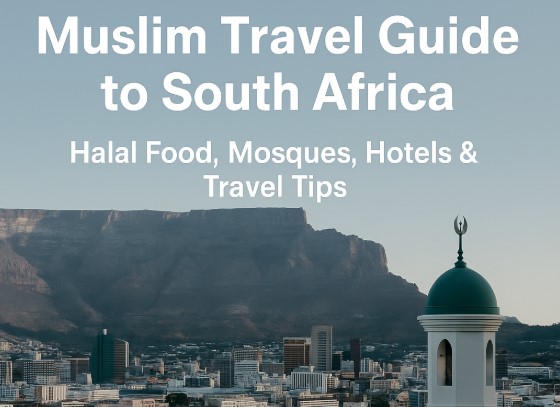
https://youtu.be/InlxffJdKbQ ✨ Introduction Thinking of visiting South Africa as a Muslim traveler You’re in for a breathtaking journey through one of the most diverse and scenic countries in the world with mountains, beaches, wildlife safaris, and surprisingly good Muslim-friendly amenities. From halal food in Cape Town to prayer facilities in Johannesburg, South Africa welcomes Muslims with open arms. This guide will help you explore it all comfortably, confidently, and Islamically. 🌆 Why South Africa is Ideal for Muslim Travelers South Africa is a multicultural nation where Islam has a long-standing presence, especially in Cape Town. Here’s why it’s perfect for Muslim travel: ✅ Strong Muslim community in cities like Cape Town and Durban ✅ Wide availability of halal-certified restaurants ✅ Mosques and Jumuah prayer spaces in all major cities ✅ Natural wonders: beaches, mountains, safaris ✅ English is widely spoken – easy to navigate ✅ Warm, welcoming locals and affordable travel 🍛 Best Halal Food Spots in South Africa Restaurant Cuisine Highlights Biesmiellah Restaurant Cape Malay Local halal dishes Eastern Food Bazaar Indian/Asian Budget-friendly food court Bo-Kaap Kombuis Traditional Malay Sea view, historic setting 📍 Johannesburg & Pretoria Kashmir Restaurant – Indian/Pakistani Dosa Hut – South Indian, vegetarian options Nando’s (halal outlets) – Ask for certification 📍 Durban Home to one of the largest Indian-Muslim communities Try: Little Gujarat, Capsicum Restaurant, RJ’s Steakhouse (halal) 🔍 Pro Tip: Use https://www.happycow.net and enable the halal filter to find verified halal restaurants across South Africa. 🕌 Mosques & Prayer Spots Across South Africa You’ll find over 500 mosques across the country. Here are major ones for travelers: 🕌 Key Mosques: Nizamiye Mosque – Midrand (Johannesburg) The largest mosque in the Southern Hemisphere Auwal Mosque – Bo-Kaap (Cape Town) The oldest mosque in South Africa Juma Musjid – Durban Large and vibrant community mosque ✈️ Prayer at Airports: Cape Town International: Multi-faith prayer room OR Tambo (Johannesburg): Islamic prayer facility available 🏨 Muslim-Friendly Hotels & Stays Many hotels in South Africa are respectful of Muslim needs. Here’s where to stay: Hotel City Muslim-Friendly Features Taj Cape Town Cape Town Halal food on request, near mosque Hilton Durban Durban Prayer mats, halal options Sandton Sun Hotel Johannesburg Near halal eateries & mosques 🛒 Halal-Friendly Places to Visit Bo-Kaap (Cape Town): Historic Muslim neighborhood Table Mountain: Natural wonder of the world Robben Island: Islamic graves + Nelson Mandela history Garden Route: Scenic road trip through Muslim towns Safari in Kruger National Park: Halal catering options available 📱 Best Modern Apps for Muslim Travelers App Use HappyCow (Halal filter) Find vegetarian and halal food in South Africa Google Qibla Finder Quick and accurate Qibla direction IslamicFinder Prayer times, Islamic calendar, nearby mosques Sygic Travel Plan your travel with Muslim-friendly stops Mawaqit Offline mosque prayer times — works across Africa 📅 Best Time to Travel Season Months Why Go ☀️ Summer Nov – Mar Beach, hiking, cultural events 🍂 Autumn Apr – May Mild weather, fewer tourists ❄️ Winter Jun – Aug Safari & whale watching season 🚫 Avoid: Major local holidays (Christmas, Easter) for better rates and less crowd. 🧭 Conclusion With its blend of natural beauty, deep Islamic roots, and vibrant cultures, South Africa is a hidden gem for Muslim travelers. Whether you’re hiking Table Mountain, praying at Bo-Kaap Mosque, or enjoying a Cape Malay dish, you’ll find the perfect balance of faith, adventure, and hospitality. 📌 Start planning your halal-friendly journey to South Africa today and experience Africa like never before.
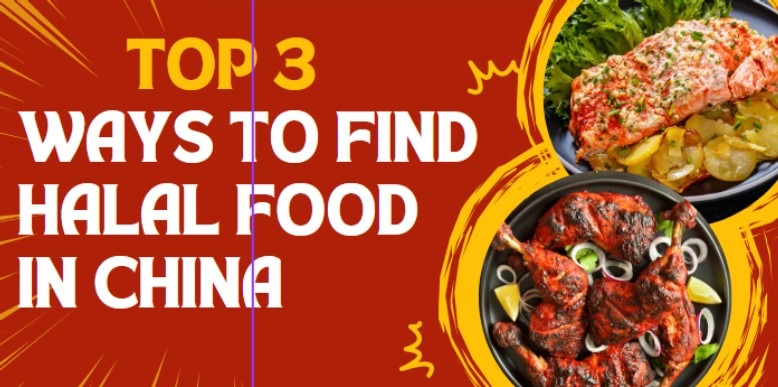
Top 3 Ways to Find Halal Food in China – A Practical Muslim Guide
https://youtu.be/m214zUX9bU8 📌 Introduction Finding Halal food in China is a key concern for many Muslims, especially those who are studying, working, or traveling in the country. Whether you’re a university student in Beijing, a business visitor in Shanghai, or a tourist exploring Xi’an, making sure your meals are Shariah-compliant is essential for maintaining both your health and your faith. While China is home to over 20 million Muslims and has a rich Islamic history, many Muslims still struggle to identify reliable Halal food options due to language barriers, unfamiliar food practices, and limited awareness of Islamic dietary rules. The good news is that there are many authentic Muslim districts, Halal food markets, and Islamic centers across China that offer trustworthy Halal meals. These places not only follow proper Islamic guidelines but also reflect the traditional warmth and hospitality of Muslim culture. In this blog, we’ll explore the top three easiest and most effective ways to find Halal food in China without relying on mobile apps. These methods include: Recognizing Halal signs and certifications in Chinese Visiting Muslim neighborhoods Connecting with local Muslim communities If you’re curious to learn more about what Halal food tastes like in China or where to find it, check out our other blogs: 🔗 Top 3 Halal Chinese Dishes for Muslims 🔗 Top 3 Halal Restaurants in China . 🌟 Tip 1: Recognize Halal Signs and Certifications in Chinese If you’re in China and looking for Halal food, the first thing to learn is how to spot Halal signs. The most common word used for Halal is “清真” (Qīngzhēn), which means “pure and permissible.” This word is widely used on restaurant boards, meat counters, food packages, and bakery items across China. Look for signs with the word “清真” written in green or gold, often designed in Arabic-style calligraphy. Restaurants with mosque symbols, crescent moons, or Arabic script on their signboards also often serve Halal food. These symbols help Muslim travelers and residents easily identify suitable food places without needing translation. In many major cities like Xi’an, Urumqi, and Yinchuan, such signs are very common. Recognizing these visuals gives you a strong starting point when you’re trying to find Halal options without using any apps or translation tools. ✅ How to Be Sure It’s Truly Halal While signs like “清真” are useful, not all restaurants that use the word follow strict Islamic dietary laws. That’s why it’s important to check for Halal certification, especially if you’re new in the area or unsure about food sources. Most genuine Halal restaurants in China, especially those run by Hui or Uyghur Muslims, will display a Halal certificate from a local Islamic authority like the China Islamic Association. These are usually posted near the entrance, counter, or wall. If there’s no certificate visible, it’s completely okay to ask the staff politely. You can say: “Is your food Halal-certified?” “Where do you buy your meat from?” They’ll usually answer honestly and may even show you their receipt for the meat supply. It’s better to ask than to guess. You can also verify suppliers through this national website: 🌐 www.halalchina.org 🌟 Tip 2: Visit Muslim Neighborhoods and Halal Food Hubs One of the most practical ways to find Halal food in China—without needing mobile apps—is to explore areas where local Muslim communities live and operate. These neighborhoods are often filled with authentic Halal restaurants, fresh markets, butchers, and grocery stores that follow Islamic dietary guidelines. A well-known example is Xi’an’s Muslim Quarter, where streets are lined with Muslim-owned eateries offering dishes like lamb skewers, hand-pulled noodles, Uyghur pilaf (Polao), and traditional Hui sweets. The environment feels naturally welcoming, and the food is made according to generations-old Halal practices. Other cities across China also have vibrant Muslim neighborhoods. In Beijing, for example, entire streets near major mosques are home to family-run Halal shops and restaurants serving both northern and western Chinese Muslim dishes. In Urumqi and Yinchuan, you’ll find neighborhoods where Halal food is not just available—it’s the standard. These areas are more than just food destinations; they reflect a deep connection to Islamic identity, culture, and hospitality, making them ideal for Muslims who want to dine with peace of mind. ✅ How to Find and Approach These Communities If you’re new to a city and unsure where to begin, start by locating the nearest mosque. Around most large mosques in China, especially in cities with Hui or Uyghur populations, you’ll find reliable Halal food options within walking distance. Once you’re in the area, walk the streets and observe. If you see families in Islamic dress, Arabic script on storefronts, and food being served outside—you’re likely in the right place. If you need help, you can ask nearby shopkeepers or locals. Use simple phrases like: “Halal food nearby?” “Any Muslim restaurant here?” Even if they don’t speak your language, many understand common Islamic terms like Halal, Muslim, or 清真. You may also be directed to small eateries not listed online, which often turn out to be the most authentic. These communities usually operate their food businesses not just for profit, but as a way to serve fellow Muslims, meaning you’ll likely be met with honesty, care, and respect. Exploring Muslim neighborhoods is not only an effective way to find Halal meals—it’s a way to experience the living Islamic heritage within China 🌟 Tip 3: Connect with Local Muslim Communities One of the most effective — and often overlooked — ways to find authentic Halal food in China is to build connections with local Muslims. Whether you’re a visitor or a new resident, engaging with Muslim communities can open the door to trustworthy Halal food sources, hidden local restaurants, and valuable cultural insight. Muslim communities in China, particularly among the Hui and Uyghur ethnic groups, are known for their hospitality and strong adherence to Islamic dietary principles. These communities often cook Halal food at home, run family-owned restaurants, and maintain close relationships with Halal-certified suppliers. By building friendly relationships, you gain
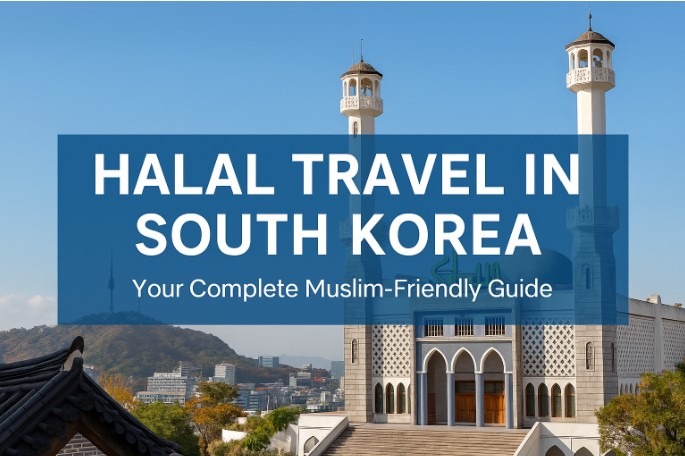
Halal Travel in South Korea
https://youtu.be/LcYDsVNDhi0 ✨ Introduction South Korea is becoming a top destination for Muslim travelers with increasing halal-friendly options. The iconic Seoul Central Mosque in Itaewon welcomes visitors from around the world. Many restaurants now offer halal-certified meals, and prayer rooms are available in airports, malls, and tourist sites. The Korea Tourism Organization actively supports Muslim tourists with guides and resources. Whether you’re exploring K-culture or nature, South Korea ensures you can travel comfortably while practicing your faith. 🌏 Why Choose South Korea for Halal Travel? South Korea isn’t just K-pop, K-drama, and tech. It’s now making headlines as a Muslim-friendly travel destination. With official efforts by the Korea Tourism Organization (KTO) to accommodate Muslim needs, here’s why you should visit: Rapid growth of halal-certified restaurants Increased number of mosques & prayer rooms Safe and clean travel environment Beautiful natural and urban attractions Easy transport, translation, and hospitality for all 🍜 Halal Food in South Korea: Where and What to Eat? Finding halal food in Korea is easier than ever thanks to helpful apps and certified places. ✅ Top Halal Restaurants in Seoul: Restaurant Area Cuisine Eid Halal Korean Food Itaewon Korean Yang Good BBQ Gangnam Halal Lamb BBQ Murree Restaurant Itaewon Pakistani/Indian 📍 Halal Food in Other Cities: Busan: Punjab Indian Restaurant, Hello India Jeju Island: Jeju Islamic Center kitchen Incheon Airport: Halal meals in the Muslim prayer room area 🔍 Tip: Use Zabihah or Halal Navi to locate real-time halal options. 🕌 Prayer Places in South Korea South Korea is equipped with mosques and prayer spaces for Muslim travelers: 📌 Major Prayer Spots: Seoul Central Mosque (Largest mosque in Korea, Itaewon) Incheon International Airport Prayer Room Busan Al-Fatah Mosque Jeju Islamic Center Use https://www.muslimpro.com/ Or https://www.halaltrip.com/ for Qibla direction and prayer times anywhere. 🏨 Muslim-Friendly Hotels Travel in comfort and peace with these Muslim-welcoming hotels: L7 Myeongdong by Lotte Hamilton Hotel – Itaewon Fraser Place Central Seoul 🛏️ These hotels often provide: Qibla direction Prayer mats upon request Nearby halal food options 🛎️ Use HalalBooking.com for certified Muslim-friendly accommodation. 📱 Best Travel Apps for Muslims in Korea App Function Muslim Pro Prayer times, Qibla, Quran Halal Navi Locate halal food & mosques Papago Korean-English translation KakaoMap / Naver Map Travel and navigation within Korea 📅 Best Time to Travel 🌸 Spring (March–May): Cherry blossoms & mild weather 🍁 Autumn (Sept–Nov): Fall foliage & scenic views ❌ Avoid: Chuseok (Korean Thanksgiving) and Lunar New Year due to closures. 🧭 Conclusion Whether you’re planning your first trip to South Korea or are a frequent traveler, this beautiful country now makes it easier for Muslims to explore without worry. With the right tools, apps, and resources, halal travel in Korea is not only possible — it’s exceptional.
Best Muslim Communities in the USA
https://youtu.be/bCXG5DLExHI 🔹 Introduction Islam is one of the fastest-growing religions in the United States, and millions of Muslims call the country their home. Over the years, several cities and neighborhoods have become known for their vibrant, peaceful, and well-organized Muslim communities. These places offer access to halal food, mosques, Islamic schools, and active social groups, making them ideal for Muslim families and individuals. In this blog, we will explore the best Muslim communities in the USA where Muslims can live, worship, and thrive. 🌆 1. Dearborn, Michigan – The Heart of Arab-American Islam Dearborn is often called the heart of Muslim America. With a large Arab-American population, it has one of the most significant Muslim communities in the U.S. Highlights: 🕌 Home to the Islamic Center of America, one of the largest mosques in North America. Wide availability of halal restaurants and Islamic schools. Strong sense of culture and community. 🍽️ 2. Access to Halal Food There are at least 15 halal restaurants in Dearborn, including award-winning eateries Famous spots: Al Ameer Restaurant (Lebanese, James Beard Award winner) Shatila Bakery – Beloved local bakery, attracting diverse patrons 🏫 3. Islamic Schools or Madrassahs The Islamic Center of America runs Muslim American Youth Academy (MAYA) – serving elementary to middle school students Overall, Dearborn has 7 Islamic schools, with many Muslim children attending private Islamic or public schools with Arabic programming 🏪 4. Muslim-Owned Businesses The community has over 300 Arab-American owned businesses — including halal butchers, bookstores, funeral homes, media outlets, and tech startups Examples: Halal meat suppliers: Halal food trucks/carts, including at the Peace Park food initiative Funeral homes (3), media outlets (5), and sports club Halal grocery stores, coffee shops, and fashion retailers 🏙5. Houston, Texas – Diverse & Growing Ummah 1. Number of Mosques & Islamic Centers 🕌 Houston hosts over 209 mosques and storefront religious centers Key Islamic institutions include: Al-Noor Mosque (largest under ISGH) Masjid Bilal, Masjid Al-Mustafa, Pearland Islamic Center, and various grassroots mosques. 🌃 6. Chicago, Illinois – Rich in History & Diversity One of the oldest Muslim communities in America Islamic institutions like Council of Islamic Organizations of Greater Chicago (CIOGC) Active in interfaith and civil rights efforts 🛍7. Paterson, New Jersey – Halal on Every Corner Nicknamed “Little Ramallah” for its Palestinian-American population Arabic signs, halal butchers, masjids everywhere Short drive to NYC Islamic events 🌉 8.Los Angeles, California L.A. offers diversity like no other city. The Muslim community here is vibrant and multicultural. Highlights: Well-known mosques like the Islamic Center of Southern California. Access to Islamic schools, media, and dawah platforms. Close proximity to halal-friendly businesses and events. 🕌 9. Philadelphia, Pennsylvania Strong African-American Muslim presence Historic roots in Islam Cultural richness 🏖 10. Tampa & Orlando, Florida Muslims in Florida enjoy a warm climate and active Islamic lifestyle, especially in Tampa and Orlando. Highlights: Islamic schools and universities like FIU Muslim Students Association. Regular events, Eid festivals, and community outreach. Family-friendly neighborhoods with masjid access. 🌐 Tools to Find Muslim Communities Salatomatic (for mosque finders) Muslim Pro (for community events) Zillow/Trulia (to find homes near masjids) Meetup or Facebook Groups (local Muslim networks) 📌 Conclusion The Muslim community in the USA is rich in diversity, values, and contributions. Whether you’re looking for a place with a strong Islamic school system, beautiful mosques, or active community centers, these cities offer great opportunities for Muslims to live in peace and practice their faith freely.
🕌 Islamic Travel Tips for Couples
https://youtube.com/shorts/tVDhBZLw_NM✈️ Introduction: Traveling is a beautiful way for couples to bond, explore new cultures, and create memories together. For Muslim couples, it’s also important to travel in a way that aligns with Islamic teachings. In this blog, we share essential travel tips for Muslim couples who want to explore the world while staying halal and respectful to their deen. 🌍 1. Choose Halal-Friendly Destinations Research Muslim-friendly countries or cities Look for halal food availability, prayer spaces, modest fashion options Mention apps or websites like 👉 “HalalTrip”, “Muslim Pro”, or “Zabihah” ✅ Example: Turkey, Malaysia, Indonesia, and the UAE are great destinations that cater well to Muslim travelers. 🏨 2. Stay in Halal Hotels Book hotels that offer halal meals, have no alcohol, and provide private spaces for couples or families. 3. Respect Islamic Dress Code Wear modest clothes. Even while swimming, choose Islamic swimwear and avoid places with mixed-gender beaches. 🕋 4. Plan for Prayer Times Use apps like Muslim Pro to find prayer times and Qibla direction. Look for hotels with prayer mats. 🍽 5. Eat Only Halal Food Check if restaurants serve halal food. Use apps like Zabiha or call ahead to confirm. 🚫 6. Avoid Haram Entertainment Stay away from nightclubs, alcohol bars, or events that go against Islamic values. 🤲 7. Travel with the Right Intention (Niyyah) Start your journey by making dua and travel with the aim to explore Allah’s creation respectfully. 💑 8. Be Careful with Public Behavior Be kind and respectful to each other, but avoid public displays of affection. 🕌 9. Include Islamic Sites in Your Trip Visit mosques, Islamic museums, or historical Islamic places to make your trip meaningful. 🎒 10. Pack Islamically Take prayer clothes, a travel-size Quran, halal snacks, and your prayer mat to stay prepared. 11. Pack with Modesty & Prayer in Mind Bring modest clothing suitable for both weather and Islamic values Carry a portable prayer mat and a Qibla app Include travel-size wudu spray or wipes for convenience 12. Plan Around Salah (Prayer) Use mobile apps to track prayer times during your journey Know where the nearest mosques or prayer spaces are Schedule sightseeing in a way that doesn’t conflict with Salah 13. Stay in Halal-Certified or Privacy-Friendly Hotels Look for hotels that offer halal food and gender-separated facilities Private villas or accommodations that offer privacy can be more comfortable for couples 🛐 14. Stay Connected Spiritually Travel can be a time to reflect and grow closer as a couple Attend Islamic events if available Visit historical Islamic sites or museums 📌 Conclusion Islamic travel as a couple is a chance to build beautiful memories while staying spiritually grounded. By following these halal travel tips, you can ensure that your journey is not only fun but also blessed and fulfilling in the eyes of Allah.
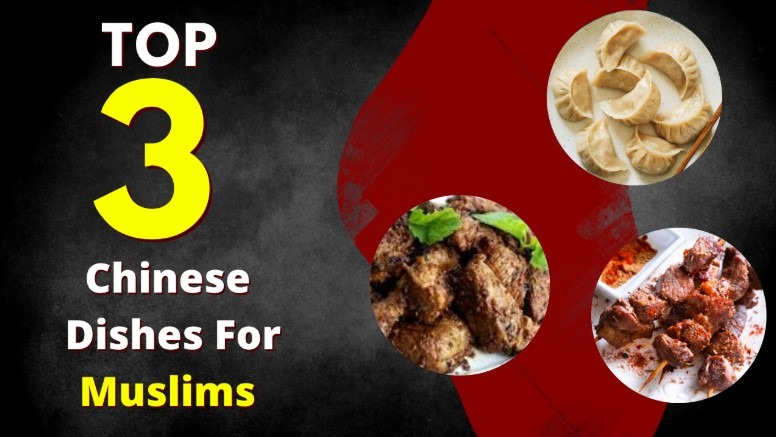
🕌 Top 3 Halal Chinese Dishes for Muslims
https://youtu.be/l4sFXMAieyo 🌟 Why Halal Food Matters for Muslims For Muslims, consuming Halal food is not just a personal choice—it’s a religious obligation. Every bite we take should align with the guidelines set by Allah ﷻ in the Qur’an and Sunnah. That means ensuring the food is pure (tayyib), ethically sourced, and free from anything haram, such as pork, alcohol, or improperly slaughtered meat. In countries like China, where diverse food traditions flourish,zit becomes essential to identify and choose Halal options carefully. Fortunately, China is home to more than 20 million Muslims, including Hui and Uyghur communities, who have preserved a rich and authentic Halal culinary tradition for centuries. Halal food in China is more than just “permissible”. .it’s deeply cultural, often tied to traditional recipes passed down through generations. These dishes reflect the beauty of Islamic values, Chinese heritage, and culinary craftsmanship all on one plate. As stated by Islamic Relief Worldwide: “Halal is more than a dietary requirement. It’s part of an entire way of life that seeks purity, cleanliness, and ethics in all matters—including food.”https://www.islamic-relief.org/what-is-halal-food/ So whether you’re a practicing Muslim at home or abroad, learning about authentic Halal dishes helps you stay connected to your faith, your body, and your culture. In this blog, we highlight three iconic Halal Chinese dishes that you must try—each one delicious, authentic, and 100% Muslim-friendly. 🍢 1. Lamb Kebab (Yang Rou Chuan) — The Ultimate Halal Street Feast 🔹 What is Yang Rou Chuan? Yang Rou Chuan, also known as lamb kebabs, are one of the most iconic and beloved Halal dishes in China. These juicy, flavorful skewers originate from the Uyghur Muslim community in Xinjiang Province and are now enjoyed all across China. Each kebab is grilled to perfection over an open flame and seasoned with a special mix of: Cumin Chili flakes Salt Garlic powder Sesame seeds (optional) The final dish is flavorful, tender, and rich in traditional spices—perfectly aligned with Halal dietary principles. and completely free from pork or alcohol. ✅ Why It’s Halal-Friendly Feature Details Muslim-owned Restaurants Typically cooked and served by Hui or Uyghur Muslims in Halal-certified kitchens Zabihah Meat Sourced and slaughtered by Muslim butchers according to Islamic law Natural Ingredients No artificial flavors, alcohol, or pork-derived substances 📍 Where to Eat Yang Rou Chuan in China 🥇 1. Silk Road Impression Restaurant – Beijing A famous Uyghur restaurant with an elegant atmosphere and strictly Halal menu. Their lamb kebabs are marinated overnight and cooked fresh to order. Address: No. 2 Yabao Rd, Chaoyang, Beijing Review Source: TripAdvisor – Silk Road Restaurant Beijing Why Go? Trusted by local Muslims and tourists alike, with prayer-friendly facilities. 🥈 2. Xibo Xinjiang Cuisine – Shanghai Xibo is a modern restaurant chain that brings authentic Uyghur cuisine to Shanghai. Their lamb skewers are made using traditional recipes from the Tianshan region of Xinjiang. Address: 3/F, 3-4 Bldg, Hongmei Pedestrian Street, Minhang, Shanghai Official Website: www.xiborestaurant.com Why Go? Clean, stylish, Halal-friendly menu, ideal for families or business guests. 🍜 2. Mutton Dumplings (Halal Baozi / Jiaozi) Halal mutton dumplings—often called Baozi (steamed buns) or Jiaozi (boiled dumplings)—are a beloved comfort food among Muslim communities in China. These dumplings are stuffed with finely minced mutton, chopped onions, fresh herbs, and traditional Halal seasonings. They’re either steamed to perfection or boiled, offering a juicy and flavorful bite that pairs perfectly with soy-based dipping sauces (alcohol-free). Originating from Hui Muslim households, these dumplings are crafted with attention to Islamic dietary guidelines. They’re not just filling, but a symbol of warm hospitality and cultural richness among Muslims in China. ✅ Why It’s Halal-Friendly: ✔️ Prepared using zabihah (properly slaughtered) mutton ✔️ No use of wine, pork, or lard in the fillings or dough ✔️ Made in Halal-certified kitchens, often by Muslim chefs 📍 Where to Find It: 1. Yi Xin Zhai Halal Restaurant – Beijing Address: No. 82, Wangfujing Street, Dongcheng District, Beijing Known for: Authentic Hui-style mutton dumpling 2. Qingzhen Dumpling House – Xi’an Address: 203 West Muslim Street, Xi’an, Shaanxi Offers: Halal dumplings and other local snacks in a Muslim-friendly setting Trip.com reference 🐪 3. Camel Meat Stew (Halal Camel Hotpot) Camel meat stew, known as Luotuo Rou Dun, is one of the rarest and most treasured dishes in Chinese Halal cuisine. Rich in flavor, this dish features slow-cooked camel meat—tender, nutritious, and deeply spiced. It is simmered with garlic, black cardamom, star anise, and native herbs that enhance the natural flavor of the camel meat. Often served as a winter delicacy, it’s both hearty and deeply rooted in Muslim culinary heritage in western China. This dish is a favorite in regions with large Muslim populations like Gansu, Ningxia, and Inner Mongolia. Camel meat is considered Sunnah in Islamic tradition and is also praised for its health benefits, including being low in fat and high in protein. ✅ Why It’s Halal-Friendly: ✔️ Camel meat is Halal and often prepared in Islamic slaughterhouses ✔️ No alcohol, pork derivatives, or cross-contamination ✔️ Culturally respected and linked to Sunnah traditions 📍 Where to Find It: 1. Lanzhou Muslim Camel Meat Restaurant Address: 36 Jiefang Road, Chengguan District, Lanzhou Offers: Traditional camel hotpot and Hui cuisine 2. Ningxia Muslim Camel Cuisine Hall – Yinchuan Address: 14 Minzhu North Street, Yinchuan Specialty: Camel meat stew served with Uyghur-style naan Conclusion Halal food is far more than a culinary preference—it is a deeply spiritual obligation that reflects a Muslim’s devotion to the teachings of the Qur’an and Sunnah. For Muslims, every meal should not only be delicious, but also pure (tayyib), lawful (halal), and ethically prepared. Choosing Halal food is a daily act of faith, a way of nourishing the body without compromising spiritual values. In the vast and diverse culinary landscape of China, the presence of long-standing Muslim communities such as the Hui and Uyghur has helped preserve a rich tradition of Halal cuisine. Dishes like Yang Rou Chuan (Lamb Kebabs), Mutton Dumplings, and Camel Meat Stew
TOP 3 Halal Food Restaurants in China
Traveling to China as a Muslim—whether for education, business, or tourism—can be a wonderful experience. But a common question that comes to many Muslim travelers’ minds is: “Will I be able to find Halal food in China?” Whether you are going to study, work, or explore the country, one of the main needs for a Muslim is access to Halal food. While China offers modern facilities and a welcoming environment, not every place may clearly label or serve Halal meals. This can be stressful for Muslim visitors trying to follow their faith. Thankfully, the good news is that many cities in China have trusted Halal restaurants, often run by local Muslim communities. These restaurants follow Islamic dietary laws and offer delicious, clean, and high-quality meals. In this blog, we’ll share three popular Halal restaurants in China that are well-known for their great service, authentic taste, and peaceful dining environments—perfect for Muslim students, tourists, and professionals. 1. Qingzhensi Restaurant – Traditional & Trusted Halal Dining Located near the Huilongshan Mosque in Changsha’s Yuhua District, Qingzhensi Restaurant is one of the most popular Halal dining spots among Muslim locals, students, and travelers in China. Known for its warm hospitality, authentic flavors, and clean atmosphere, it represents the richness of Hui Muslim culinary tradition. This restaurant specializes in Local Changsha Muslim Cuisine, with a menu full of delicious and carefully prepared Halal dishes. Whether you’re a student studying in China, a tourist exploring historical mosques, or a business visitor looking for a reliable place to dine, Qingzhensi offers an experience that is both comforting and culturally rich. Basic Information: Cuisine: Local Changsha Muslim Cuisine Address: Near Huilongshan Mosque, Yuhua District, Changsha Phone: 0731-85813658 Nearby Mosque: Huilongshan Mosque, Changsha (external link) Opening Hours: 11:00 AM – 9:00 PM Payment Methods: Cash only 🍜 Specialties: Hand-pulled beef noodles (Lamian) Tender beef in slow-cooked clear broth Stir-fried lamb with vegetables and rice Fresh steamed buns and dumplings 2. Muslim Hotel Restaurant (Guangzhou) If you’re visiting Guangzhou and looking for a reliable place that offers both Halal dining and Muslim-friendly accommodation, the Muslim Hotel Restaurant is an ideal choice. Conveniently located near the Huaisheng Mosque, one of the oldest mosques in China, this restaurant is part of the larger Muslim Hotel, which caters specifically to Muslim travelers from around the world. Basic Information: Cuisine: Local Shenzhen Muslim Cuisine Address: No. 1023, Wenjin South Road, Luohu District, Shenzhen Phone: 0755-82259664 Opening Hours: 08:00 AM – 11:00 PM Payment Methods: Cash accepted Nearby Mosque: Huaisheng Mosque, Guangzhou Official Website: www.muslimhotel.com.cn 🍽️ Specialties: Spicy lamb stir-fry with peppers Steamed Halal dumplings Chinese-style Halal rice and noodle dishes Fresh soups and seasonal stir-fried vegetables Whether you’re stopping by for breakfast, lunch, or dinner, the restaurant provides a mix of buffet-style and à la carte options, making it suitable for individual meals or group gatherings. 3. Xinjiang Islamic Restaurant – Uyghur Halal Food in the Heart of China If you’re looking to taste one of the most unique and flavorful styles of Halal food in China, the Xinjiang Islamic Restaurant is a must-visit. This restaurant brings the bold and rich tastes of Uyghur Muslim cuisine originally from the Xinjiang region in Northwest China right into the center of big cities like Beijing, Shanghai, and Xi’an. Uyghur food is known for its strong Central Asian influence, featuring grilled meats, fresh naan bread, handmade noodles, and aromatic spices. The Xinjiang Islamic Restaurant is a favorite among Muslim travelers, students, and locals looking for authentic and 100% Halal meals. Basic Information: Cuisine: Xinjiang Uyghur Muslim Cuisine Address: No. 7, Sanlihe Road, Haidian District, Beijing, China Phone: 010-88365363 Opening Hours: 11:00 AM – 10:00 PM Payment Methods: Cash & Credit Card Map Location: 📍 Xinjiang Islamic Restaurant – Google Maps 🍽️ Specialties: Yang Rou Chuan (roasted lamb skewers) – grilled over open fire Polo (Uyghur-style rice pilaf with carrots and lamb) Naan Bread – baked fresh, served warm Dapanji (Big Plate Chicken with potatoes and chili) Laghman – hand-pulled noodles with beef or lamb and vegetables ✅ Conclusion: Where to Find Halal Food in China? Yes, Halal food is available in China! Whether you’re in Changsha, Guangzhou, or Beijing, you can enjoy authentic, affordable, and faith-compliant meals thanks to these dedicated Halal restaurants. From Uyghur-style dishes to local Hui Muslim cuisine, these top-rated spots make your travel, study, or business trip worry-free and satisfying.
Eid Mubarak – A Celebration of Gratitude, Unity, and Worship
Download Video “تَقَبَّلَ اللهُ مِنَّا وَمِنْكُمْ عِيْدٌ مُبَارَكٌ عَلَيْنَا وَعَلَيْكُمْ” (“May Allah accept from us and from you — Eid Mubarak upon us and upon you.”) Eid Mubarak — these simple words carry the warmth of faith, the light of brotherhood, and the fragrance of worship. As Muslims across the world echo the beautiful greeting, “تَقَبَّلَ اللهُ مِنَّا وَمِنْكُمْ عِيْدٌ مُبَارَكٌ عَلَيْنَا وَعَلَيْكُمْ,” we are reminded that Eid is not merely a festival — it is a day of acceptance, mercy, and sincere gratitude to Allah. Eid al-Fitr and Eid al-Adha are both deeply rooted in the teachings of Islam. These are not just holidays, but acts of worship. They are opportunities to renew our connection with Allah, strengthen our ties with the Ummah, and demonstrate compassion toward the poor and needy. The Prophet ﷺ said:“They are days of eating, drinking and remembering Allah.”— (Sahih Muslim 1141a) In Islam, Eid is about expressing thankfulness for Allah’s favors and sustaining the spirit of taqwa (God-consciousness) we nurtured during Ramadan or while making the sacrifice in Dhul-Hijjah. The Real Joy of Eid Reconnecting with family and community Distributing charity (Zakat al-Fitr and Qurbani) Attending the congregational Eid prayer Spreading peace, smiles, and forgiveness The greeting “Eid Mubarak” reminds us that the joy of Eid is not personal—it’s collective. It belongs to the Ummah, shared by every believer regardless of location or status. May this Eid be a source of inner peace, strength in faith, and unity among hearts. Let us forgive, reconcile, and raise our hands in du‘ā:“Ya Allah, accept our prayers, fasts, sacrifices, and guide us upon Your straight path.”
The Spiritual Power of Talbiyah – A Call of Love and Devotion to Allah
Download Video لَبَّيْكَ اَللَّهُمَّ لَبَّيْكَ – لَبَّيْكَ لَا شَرِيكَ لَكَ لَبَّيْكَ – إِنَّ الْحَمْدَ وَالنِّعْمَةَ لَكَ وَالْمُلْكَ – لَا شَرِيكَ لَكَ – ❁ “Labbayk Allahumma Labbayk – Labbayk Laa Shareeka Laka Labbayk – Innal Hamda, Wan-Ni’mata, Laka Wal-Mulk – Laa Shareeka Lak.” The focus keyword “spiritual power of Talbiyah” is more than just a phrase repeated during Hajj; it is a heartbeat of submission, a soul’s cry answering Allah’s sacred invitation to His House. When a pilgrim chants the Talbiyah, their heart testifies: O Allah! I am here, present only for You, with no partner beside You. This powerful declaration isn’t just a ritualistic chant — it embodies complete surrender, sincere love, and the believer’s burning desire to fulfill Allah’s command. It is said out loud not only by the tongue but also by the soul, echoing across the deserts of Makkah and resonating through the heavens. The Essence of Talbiyah in Hajj Talbiyah is an ancient proclamation made by Prophet Ibrahim (peace be upon him), and every pilgrim, by repeating it, reconnects with this divine tradition. It symbolizes: Obedience to Allah’s call. Rejection of all forms of shirk (associating partners with Allah). Gratitude for His endless blessings. Recognition of His complete ownership of the universe. Talbiyah Is Not Just for the Lips — It’s for the Heart When you say “Labbayk Allahumma Labbayk,” it should shake your heart. It means: “I am here, O Allah! Responding to Your call with my body, my wealth, my time, and my soul.” It’s a public vow to leave behind everything for the sake of Allah — comforts, sins, distractions — and walk the path of total devotion. Rewards of Saying Talbiyah The Prophet ﷺ said: “There is no Muhrim (one in the state of Ihram) who recites the Talbiyah but that whatever is on his right and on his left – trees, rocks, and even the ground – joins in with him in saying it, until the end of the land in either direction.” [Sunan Ibn Majah 2921] This shows the magnitude of Talbiyah. The entire creation joins in as you declare Allah’s greatness. Talbiyah in Our Daily Lives Even though Talbiyah is a part of Hajj and Umrah, the spiritual power of Talbiyah should reflect in our daily lives: Be ready to respond to every command of Allah. Remind ourselves that our life, death, worship, and sacrifice are for Allah alone. Live with sincerity, humility, and remembrance of our purpose. Conclusion The spiritual power of Talbiyah lies in its purity and simplicity. It is the believer’s anthem, filled with longing, obedience, and surrender. Let these sacred words not just echo through your lips but ripple through your life. Whenever you say, “Labbayk Allahumma Labbayk,” mean it from your soul — “I am here, O Allah, only for You.”
The Importance of Qurbani in Islam: A Sacred Obligation Not to Be Ignored
Download Video The Importance of Qurbani in Islam: A Sacred Obligation Not to Be Ignored In the light of the sacred teachings of Islam, the importance of Qurbani in Islam holds a profound place in the hearts of believers. The Messenger of Allah (ﷺ) said:“Whoever can afford it, but does not offer a sacrifice, let him not come near our prayer place.”(Sunan Ibn Majah 3123) This powerful hadith demonstrates the serious nature of this act of worship. Qurbani (Udhiyah) is not merely a tradition — it is a divine commandment that symbolizes the spirit of sacrifice, obedience, and submission to Allah’s will, just as Prophet Ibrahim (A.S) submitted to the command to sacrifice his beloved son. 🌙 Why Is Qurbani So Important? Qurbani revives the legacy of Prophet Ibrahim (A.S), whose unwavering faith in Allah led him to prepare to sacrifice his son, Ismail (A.S). Allah, in His infinite mercy, replaced the sacrifice with a ram — making this act a Sunnah for generations of believers. “Their meat will not reach Allah, nor will their blood, but what reaches Him is piety from you…”(Surah Al-Hajj 22:37) This verse reminds us that the true essence of Qurbani is taqwa (God-consciousness) — the sincerity of our heart in submitting to His command. 🐐 Who Must Perform Qurbani? Qurbani is wajib (obligatory) upon every adult, sane Muslim who can afford it. This means having the nisab (minimum amount of wealth) similar to that of Zakat. Ignoring it without a valid reason is not just negligence — it’s a serious matter in the sight of Allah and His Messenger. 💡 The Lesson Behind the Sacrifice It’s not about the meat, but the sincerity. It’s not about the animal, but the submission. It’s not about the act, but the devotion to Allah. Qurbani is a reminder that nothing should be dearer to us than Allah — not even our wealth, desires, or loved ones. 🤲 Final Thoughts In a world where materialism often overshadows spirituality, the importance of Qurbani in Islam brings us back to the roots of true submission. It’s not optional for those who can afford — it’s a sacred responsibility. Let us approach Eid-ul-Adha with the same spirit of sincerity and gratitude, and not turn away from what has been commanded by Allah and emphasized by His beloved Prophet ﷺ.