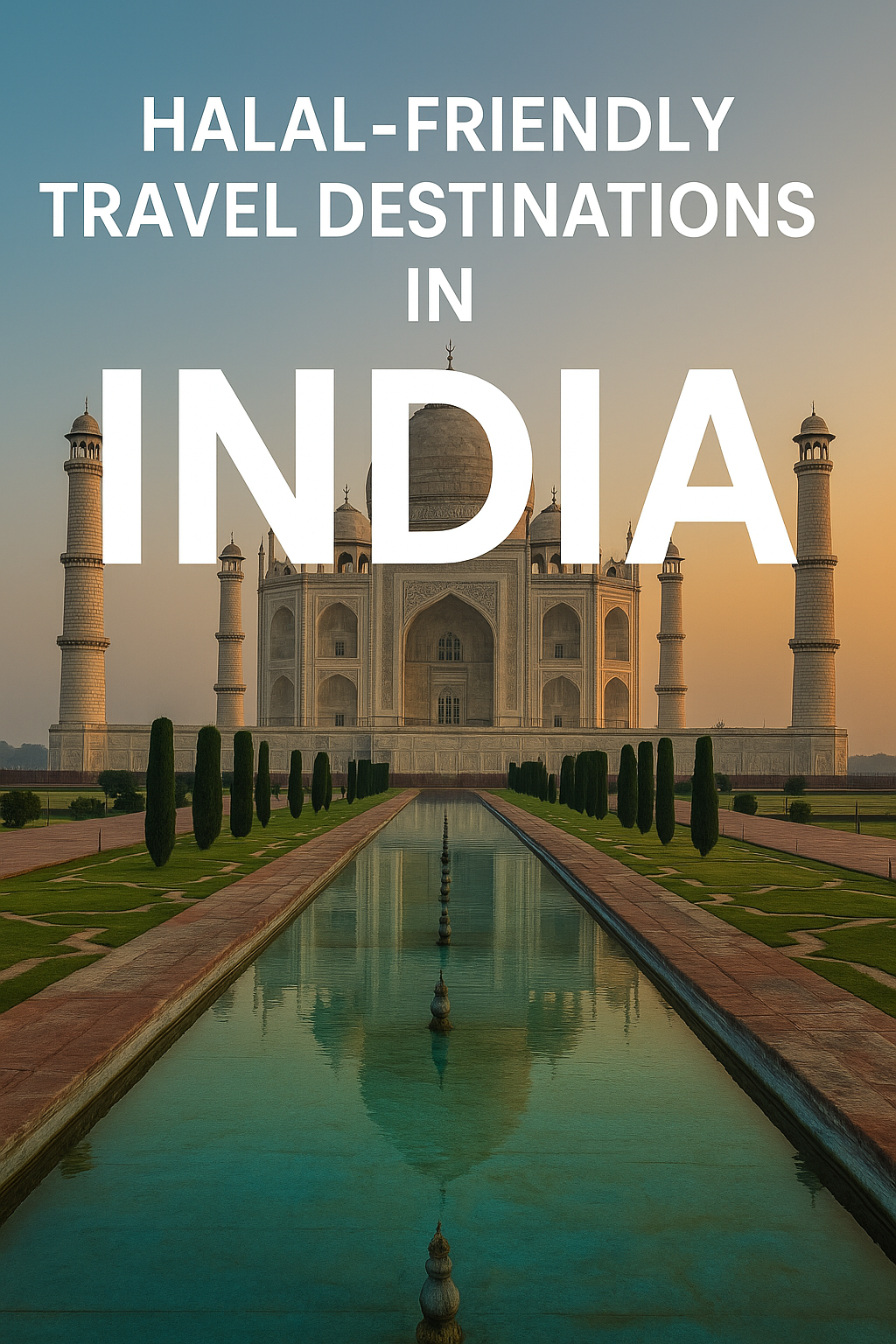
India is a breathtaking destination where history, spirituality, and vibrant cultures meet. For Muslim travelers, the country offers a wealth of halal-friendly experiences — from delicious halal food to historic mosques, Muslim-friendly hotels, and scenic destinations that embrace diversity. With over 200 million Muslims living in India, halal options are not just available, they’re part of daily life. Halal-friendly Travel Destinations in India Whether you’re seeking adventure in the bustling streets of Delhi, soaking in the beauty of Kashmir, or enjoying Mughlai delicacies in Lucknow, India welcomes Muslim travelers with open arms. This guide covers the best halal-friendly cities in India, top attractions, and practical travel tips to make your journey smooth. Halal-friendly Travel Destinations in India Why India is Halal-Friendly for Muslim Travelers India has one of the largest Muslim populations in the world, ensuring that halal food, prayer facilities, and Muslim-friendly accommodations are easy to find in major cities and even in smaller towns. Mosques are plentiful, with many offering separate spaces for women and sermons in both Urdu and local languages. From street food stalls to luxury restaurants, halal cuisine is everywhere. Many hotels cater to Muslim guests by providing Qibla direction, prayer mats, and halal-certified kitchens. Halal-friendly Travel Destinations in India Top Halal-friendly Cities in India 1. Delhi – History, Food, and Spirituality Delhi, the vibrant capital of India, seamlessly blends the grandeur of Mughal history with the pulse of modern life. For Muslim travelers, the city offers abundant halal dining options in almost every neighborhood, ensuring both cultural exploration and faith-friendly convenience. Halal-friendly Travel Destinations in India Must-Visit Attractions: Jama Masjid – One of the largest mosques in India. Red Fort – Mughal-era architectural masterpiece. Humayun’s Tomb – Inspiration for the Taj Mahal. Halal Food Recommendations: Karim’s (website) – Legendary Mughlai restaurant near Jama Masjid. Al Jawahar – Famous for kebabs and biryani. Tip: Stay near Chandni Chowk for easy access to historic sites and halal street food. 2. Hyderabad – The City of Biryani Hyderabad, celebrated for its rich Islamic heritage and regal past, is a paradise for halal food lovers. From the world-famous Hyderabadi biryani to traditional kebabs and sweets, the city offers endless halal-friendly culinary delights alongside magnificent mosques and historic landmarks worth exploring. Halal-friendly Travel Destinations in India Must-Visit Attractions: Charminar – A Historic monument and market. Makkah Masjid – a 17th-century mosque built with soil from Makkah. Golconda Fort – Majestic fortress with panoramic views. Halal Food Recommendations: Paradise Biryani (website) – Iconic Hyderabadi biryani spot. Shah Ghouse Café – Popular for haleem and kebabs. 3. Mumbai – Coastal Vibes with Halal Comfort Mumbai, India’s bustling financial and entertainment capital, blends Bollywood glamour with a vibrant halal-friendly food scene and captivating heritage sites. From aromatic street food stalls serving kebabs and biryani to historic mosques and seaside promenades, the city offers Muslim travelers a rich cultural and culinary journey. Must-Visit Attractions: Gateway of India – An Iconic waterfront monument. Haji Ali Dargah – Mosque and tomb in the middle of the sea. Marine Drive – Scenic coastal promenade. Halal Food Recommendations: Bademiya – Famous for late-night kebabs. Shalimar Restaurant – Classic Mughlai cuisine. 4. Jaipur – The Pink City Jaipur, the Pink City of India, enchants visitors with its royal architecture, including grand forts and palaces, alongside delicious halal Rajasthani cuisine. Vibrant markets filled with handicrafts, textiles, and jewelry make it a cultural treasure for Muslim travelers seeking history, flavor, and authentic local charm. Halal-friendly Travel Destinations in India Must-Visit Attractions: Amber Fort – Stunning hilltop palace. City Palace – A Blend of Mughal and Rajput design. Hawa Mahal – The Palace of Winds. Halal Food Recommendations: Karim’s Jaipur – Authentic North Indian dishes. Handi Restaurant – Known for laal maas (request halal meat). 5. Lucknow – The City of Nawabs Lucknow, often called the City of Nawabs, is renowned for its rich Mughlai cuisine, offering numerous halal options, and its splendid Islamic heritage. From intricately designed mosques to historic monuments, the city reflects a graceful blend of culture, tradition, and warm hospitality for Muslim travelers. Must-Visit Attractions: Bara Imambara – Massive Shia Muslim congregation hall. Rumi Darwaza – Stunning Mughal gateway. Chota Imambara – Ornate historic site. Halal Food Recommendations: Tunday Kababi – Iconic galouti kebabs. Mubeen’s – Authentic Awadhi biryani. Srinagar – Paradise in Kashmir Srinagar, the jewel of Kashmir, is surrounded by majestic snow-capped mountains and pristine lakes, offering unmatched peace and breathtaking natural beauty. With its serene gardens, charming houseboats, and halal-friendly hospitality, it provides Muslim travelers a perfect retreat for spiritual reflection and relaxation amidst nature. Must-Visit Attractions: Dal Lake – Houseboat stays and shikara rides. Hazratbal Shrine – Revered mosque housing a relic of the Prophet Muhammad ﷺ. Mughal Gardens – Beautiful landscaped gardens. 7. Agra – The City of the Taj Mahal Agra, a historic city in Uttar Pradesh, is home to the iconic Taj Mahal—one of the Seven Wonders of the World. Alongside its Mughal-era monuments, the city offers numerous halal dining options, making it a memorable destination for Muslim travelers seeking culture, history, and faith-friendly experiences. Must-Visit Attractions: Taj Mahal – A symbol of eternal love. Agra Fort – Historic Mughal stronghold. Mehtab Bagh – Gardens with a view of the Taj. Halal Food Recommendations: Pinch of Spice – North Indian delicacies. Jahanpanah – Authentic Mughlai meals. Tips for Muslim Travelers to India Download halal food apps like Zabihah and HappyCow to find halal restaurants. Carry a prayer mat for convenience during travel. Respect local dress codes, especially when visiting mosques. Use Indian Railways for budget-friendly intercity travel. Final Thoughts India is more than just a travel destination — it’s a journey through centuries of history, deep spirituality, and a kaleidoscope of flavors. From the bustling, historic streets of Delhi to the peaceful gardens and heritage sites of Lucknow, every city offers its unique charm for Muslim travelers. With an abundance of halal-friendly restaurants, centuries-old mosques, and cultural landmarks, visitors can easily
12 Rabi ul Awwal – A Day of Light and Guidance
12 Rabi ul-Awwal is one of the most honored dates in Islamic history, marking the birth of the Prophet Muhammad ﷺ — the final Messenger and mercy for all creation. While scholars differ on the exact date of his birth, the love and respect for him is unanimous among Muslims. Allah says in the Qur’an: لَقَدْ مَنَّ ٱللَّهُ عَلَى ٱلْمُؤْمِنِينَ إِذْ بَعَثَ فِيهِمْ رَسُولًۭا مِّنْ أَنفُسِهِمْ يَتْلُوا۟ عَلَيْهِمْ ءَايَـٰتِهِۦ وَيُزَكِّيهِمْ وَيُعَلِّمُهُمُ ٱلْكِتَـٰبَ وَٱلْحِكْمَةَ وَإِن كَانُوا۟ مِن قَبْلُ لَفِى ضَلَـٰلٍۢ مُّبِينٍ ١٦٤ Indeed, Allah has done the believers a ˹great˺ favour by raising a messenger from among them—reciting to them His revelations, purifying them, and teaching them the Book and wisdom. For indeed they had previously been astray. (Surah Aal-e-Imran 3:164) This day is not just about remembering a historical event, but about reconnecting with the light of guidance brought by the Prophet ﷺ. The Blessed Birth of Prophet Muhammad ﷺ – A Divine Mercy to All Creation The birth of Prophet Muhammad ﷺ is one of the most celebrated and significant events in Islamic history, marking the arrival of the final Messenger and the completion of divine guidance for mankind. As the Qur’an declares: “We have sent you ˹O Prophet˺ only as a mercy for the whole world..” (Surah Al-Anbiya 21:107) Born in the holy city of Makkah during the Year of the Elephant (570 CE), the Prophet’s birth was surrounded by extraordinary signs that indicated his future role as the Seal of the Prophets. Authentic narrations mention that on that blessed night, the centuries-old sacred fire of the Persians — which had never been extinguished — suddenly went out, symbolizing the end of false worship. The mighty palace of Chosroes shook, and its fourteen balconies collapsed, hinting at the fall of oppressive empires. (Ibn Kathir, Al-Bidaya wa’l-Nihaya) The arrival of the Prophet ﷺ was not only a historical milestone but also the fulfillment of prophecies found in earlier scriptures, affirming his universal mission. His life embodied justice, compassion, and guidance for all humanity — qualities that continue to inspire over 1.8 billion Muslims today. Celebrating the 12th of Rabi’ al-Awwal is thus not merely a cultural tradition but a heartfelt expression of gratitude to Allah for sending His final Messenger. It is a reminder of our duty to follow his Sunnah and spread mercy, as he did, to all corners of the world. Timeless Lessons from the Seerah for Today’s Muslims The Seerah (biography) of Prophet Muhammad ﷺ is more than a historical account — it is a timeless blueprint for moral conduct, spiritual growth, and community building. The blessed day of 12 Rabiʿ al-Awwal is a reminder to reflect upon and revive his teachings in our daily lives. Truthfulness and Trustworthiness Long before the first revelation, the Prophet ﷺ was known among the people of Makkah as Al-Ameen (the Trustworthy) and As-Sadiq (the Truthful). This integrity inspired confidence, even among his opponents. In an age where dishonesty is widespread, Muslims are called to embody these virtues in business, family, and social dealings. Justice, Compassion, and Patience As a leader, the Prophet ﷺ demonstrated justice that transcended tribal and religious boundaries. He showed compassion to the weak, mercy to his enemies, and fairness to all. His patience in the face of relentless persecution in Makkah reflects his unwavering commitment to truth. These qualities are vital for Muslims navigating the challenges of today’s world. Living by his Seerah means making our presence a source of benefit for humanity, defending truth, and promoting peace and justice. On this 12 Rabiʿ al-Awwal, let us not merely celebrate his birth, but strive to live by the principles he taught. Timeless Sunnah Practices to Revive on the Blessed Day of 12 Rabi ul Awwal “Although neither the Qur’an nor authentic Sunnah prescribes specific acts of worship exclusively for 12 Rabi ul Awwal, nevertheless, this blessed occasion is a beautiful opportunity to revive timeless Sunnah practices that draw us closer to Allah ﷻ and honor His beloved Prophet ﷺ. These deeds are not limited to one day — they are a way of life for every Muslim. 1. Sending Salawat in Abundance Allah commands in the Qur’an: “Indeed, Allah and His angels send blessings upon the Prophet. O you who have believed, send blessings upon him and peace in abundance.” (Surah Al-Ahzab 33:56) Frequent recitation of Salawat brings immense blessings, removes worries, and strengthens our bond with the Messenger ﷺ. 2. Studying the Seerah with Family and Friends Arrange family gatherings or community circles to learn about the Prophet’s life — his character, mercy, and sacrifices. Passing down his legacy to the younger generation is a form of Sadaqah Jariyah (ongoing charity) Book on Seerah Nabi book 3. Helping the Poor and Reviving His Generosity The Prophet ﷺ was the most generous of people, especially during special occasions. Honor his Sunnah by feeding the hungry, supporting orphans, and giving charity discreetly for Allah’s pleasure. By engaging in these acts, we are not merely commemorating a date — we are living the Prophetic way every day. Avoiding Innovations While Celebrating 1. Sunnah-Compliant Love for the Prophet ﷺ Therefore, Muslims show genuine love for the Prophet Muhammad ﷺ by following his Sunnah, not by inventing new religious acts, as Islam teaches. The Prophet ﷺ clearly warned:” “Whoever introduces into this matter of ours that which is not from it, it will be rejected.” (Sahih al-Bukhari 2697,) This means our celebration of 12 Rabi ul Awwal should be rooted in authentic teachings. True devotion is reflected in reciting the Qur’an, offering extra voluntary prayers, sending abundant Salawat, and studying the Seerah. These acts strengthen faith and bring blessings to our lives. 2. Keeping the Day Pure from Un-Islamic Practices Unfortunately, some celebrations today include activities not supported by Islamic principles. Such as loud music, processions with free mixing, or extravagant decorations. Such actions may overshadow the real purpose of the day. Instead, we should use this day as an opportunity for self-reformation, spreading knowledge, and helping
Islamic Products – A Spiritual & Stylish Lifestyle Choice 🕌✨
In today’s world, Islamic products have become more than just items for religious use—they are a blend of faith, culture, and modern lifestyle. From traditional clothing to Islamic decoration items that make our homes peaceful and elegant, and Islamic gift items that carry deep meaning, the market for these products is growing fast worldwide. Muslims are increasingly looking for ways to keep their homes, gifts, and everyday essentials in line with Islamic values, while also maintaining beauty and quality. This trend is not limited to Muslim-majority countries; it’s also becoming very popular in places like the UK, USA, Canada, and Europe, where Muslim communities are actively searching for authentic products that represent their beliefs. The Beauty and Meaning of Islamic Decoration Items One of the most popular categories in the Islamic products market is Islamic decoration items. These are not just for beauty—they are a way to bring the remembrance of Allah into your living space. From wall art with Arabic calligraphy and Ayat-ul-Kursi plaques to Kaaba-inspired ornaments and decorative lanterns, these items transform a house into a home filled with faith. Imagine walking into your living room and seeing a framed Surah Al-Fatiha or the 99 Names of Allah—it instantly creates an atmosphere of calm and spirituality. Many Muslim families decorate their prayer areas with prayer rugs, Qur’an stands, and calligraphy art to make their worship spaces more inspiring. During Ramadan and Eid, the demand for Islamic decoration items rises sharply, as people love refreshing their homes with meaningful and elegant pieces. Islamic Gift Items – More Than Just Presents When it comes to giving gifts, Muslims often prefer meaningful and faith-centered items. Islamic gift items are not just objects—they carry blessings, prayers, and love. Some of the most popular gifts include personalized Qur’ans with gold-edged pages, handcrafted tasbeeh beads, high-quality prayer mats, Islamic-themed jewelry, and luxury oud perfumes. These gifts are ideal for weddings, housewarmings, Eid celebrations, or even as a token of appreciation. Adding a personal touch, such as engraving the recipient’s name or a Qur’anic verse, makes these gifts even more special. Giving someone an Islamic gift item is like giving them a reminder of Allah’s presence in their lives, making the bond between giver and receiver even stronger. The Growing Online Market for Islamic Products Thanks to e-commerce, shopping for Islamic products is easier than ever. Online stores now offer a wide range of products, from modest fashion items like abayas and hijabs to halal-certified skincare, Islamic books, and educational toys for children. These toys, designed to teach Arabic letters, Islamic history, and basic duas, are a fun and engaging way to educate the next generation. Digital Islamic products, such as mobile apps for Qur’an recitation, prayer time reminders, and Islamic learning courses, are also on the rise, proving that technology and faith can work together to make life easier for Muslims. How Islamic Decoration Items Transform a Home Home is not just a place to live—it’s where our hearts find peace. Islamic decoration items play a big role in creating that peaceful environment. For example, a masjid-shaped lamp can add warmth to your living room, while Qur’anic wall art can make your guests feel the blessings as soon as they enter. These items are not only for aesthetics but also help in constantly reminding us of our faith. Many people now dedicate a special prayer corner in their homes, decorated with soft rugs, Qur’an shelves, and calligraphy frames, turning it into a personal space for spiritual reflection. External Links for Islamic Products Blog Islamic Decoration Items Islamic Gift Items Quran And Islamic Books Why Islamic Gift Items Are Perfect for Every Occasion Whether it’s Eid, a wedding, a new home celebration, or even a graduation, Islamic gift items make the perfect present. A beautifully wrapped Qur’an, a premium prayer mat, or an elegant set of tasbeeh beads is more than just a gift—it’s a symbol of care and thoughtfulness. Unlike generic presents, these gifts have a timeless value and spiritual meaning that the receiver will cherish for years. Many online stores now offer gift bundles that combine different Islamic items, making it easy for buyers to select the perfect combination for any occasion. Business Opportunities in Islamic Products The market for Islamic products is not just growing—it’s booming. With over 2 billion Muslims worldwide, the demand for authentic, high-quality Islamic goods is massive. Entrepreneurs who offer products that combine modern design with Islamic tradition have a high chance of success. Selling Islamic decoration items and Islamic gift items online through platforms like Amazon, Etsy, or dedicated Islamic stores can reach a global audience. Additionally, there’s an opportunity to create seasonal collections for Ramadan, Eid, and Hajj, which can attract more customers and build long-term loyalty. Final Thoughts – A Market of Faith and Beauty 🌙 Islamic products are more than just things we use or buy—they are a reflection of who we are as Muslims. From Islamic decoration items that beautify our homes with faith to Islamic gift items that strengthen relationships with love and blessings, each product tells a story of devotion and tradition. In a fast-changing world, these products help us hold on to our values while enjoying the beauty of Islamic art and culture. Whether you’re decorating your home, buying a heartfelt gift, or starting a business, Islamic products open doors to a meaningful, faith-filled life. “✨ Discover More Islamic Lifestyle Guides! ✨ Your journey doesn’t stop here — explore our other blogs for halal travel tips, Islamic home décor ideas, and unique gift inspirations that will elevate your lifestyle. Read More Blogs ➡️” Muslim Population in the World Top 10 Islamic Schools in New Jersey
14 August Pakistan’s Independence Day
14 August is one of the most important dates in Pakistan’s history. It marks the day in 1947 when Pakistan emerged as an independent nation 🕊️, free from British rule and separated from India. For Pakistanis, 14 August is not just a public holiday — it’s a day of pride, reflection, and celebration 🎇. Streets are decorated with green and white 🎨, people wear patriotic clothes 👕, and the national flag waves high in every corner 🏴. In this blog, we’ll explore the history of 14 August, why it’s significant, how it’s celebrated, and what it means for Pakistanis both at home 🏠 and abroad ✈️. 📜 History of 14 August, Pakistan’s Independence Day The roots of Independence Day, Pakistan’s Independence Day, go back to the early 20th century, when the demand for a separate homeland for Muslims in the Indian subcontinent gained momentum 📢. Under the leadership of Quaid-e-Azam Muhammad Ali Jinnah 👔, the Pakistan Movement succeeded, and on 14 August 1947 🗓️, Pakistan officially came into being. The day is tied to the Partition of India ✂️, one of the most significant political events of the 20th century. History.com’s section on Indian Independence explains how millions of people were displaced 🚶♂️🚶♀️ and how new nations were formed 🌍. For Pakistan, this date became the foundation of its identity 💚. 💡 The Significance of 14 August, Pakistan’s Independence Day 14 August Pakistan’s Independence Day is more than a holiday 🏖️; it’s a reminder of the struggles, sacrifices, and dreams 🌠 of those who fought for Pakistan’s independence. It reminds citizens to stay united 🤝, cherish freedom 🕊️, and work towards the prosperity 💼 of their country. Some key reasons why Independence day is so significant: It marks the birth of a sovereign state for Muslims in South Asia 🌏. It symbolizes the right to practice religion freely 🕌. It reflects the values of unity, faith, and discipline 📖. 🎆 14 August Celebrations Across Pakistan From Karachi 🌊 to Gilgit 🏔️, 14 August is celebrated with unmatched enthusiasm ❤️🤍💚. Here’s how different parts of Pakistan light up with patriotism: 🎯 Flag Hoisting Ceremonies The day usually begins with the national flag being hoisted 🏴 at government buildings 🏢, schools 🏫, and public spaces 🏞️. The main ceremony takes place in Islamabad 🕌, where the Prime Minister and President deliver speeches 🎤. 🎖️ Parades and Cultural Events The Pakistan Armed Forces organize military parades 🚁🚓 showcasing their strength and dedication to the country. Cultural programs 🎭 are held to highlight the country’s heritage 🏺. You can learn more about such events on Pakistan’s Official Government Portal. 🎇 Fireworks and Light Displays Major cities display fireworks at midnight 🌌 on 14 August, turning the skies into a spectacular show of green and white 🌟. 🎵 Patriotic Songs Songs like “Dil Dil Pakistan” 🎶 and “Sohni Dharti” 🎼 echo from every corner, sparking national pride ❤️💚. 🌍 How Pakistanis Abroad Celebrate 14 August Pakistani communities around the world 🌏 celebrate Independence day with equal zeal ✨. From London 🇬🇧 to New York 🇺🇸, diaspora groups organize flag-hoisting ceremonies 🏴, cultural shows 🎭, and community gatherings 👫. Organizations such as the Pakistani American Community of New York arrange special Independence Day events 📅. 🏴 Symbols of 14 August Several symbols are associated with 14 August, each carrying deep meaning: The National Flag 🏴: Green with a white crescent 🌙 and star ⭐, symbolizing Islam and minorities. The National Anthem 🎼: Written by Hafeez Jullundhri ✍️ and composed by Ahmed G. Chagla 🎶. Quaid-e-Azam’s Portrait 🖼️: Reminds people of his vision and leadership. 🍽️ Traditional Foods on 14 August Celebrations often include enjoying traditional Pakistani dishes 🍛 such as: Biryani 🍚 Nihari 🍲 Samosas 🥟 and pakoras 🍢 Sweet treats like jalebi 🍯 and kheer 🍮 Families gather to share meals 🍽️ and express gratitude 🙏 for their homeland. 📚 Educational Activities on 14 August Schools 🏫 and colleges 🎓 organize debates, essay competitions, and quiz contests 📝 focusing on the history 📜 and values of Pakistan. This helps the younger generation appreciate the importance of Independence Day 🌟. ✈️ Traveling in Pakistan on 14 August For travelers 🧳, Independence Day offers a unique experience to see Pakistan in its most festive mood 🎊. Popular destinations to visit: Islamabad 🕌 – Main independence celebrations. Lahore 🏛️ – Minar-e-Pakistan and cultural shows. Karachi 🌊 – Sea View and fireworks. Tourism boards such as Pakistan Tourism Development Corporation often provide updates ℹ️ on events and travel tips 🗺️ for this day. 📖 14 August in Literature and Media Pakistani literature 📚, poetry 🖋️, and films 🎥 often reflect the emotions tied to 14 August 1947 💚. Writers like Faiz Ahmed Faiz have penned verses ✍️ celebrating freedom and hope 🌠. ⚖️ Challenges and Responsibilities Beyond 14 August “Pakistan faces challenges — poverty 💰, education 📘, and unity 🤝 — even as the day fills people with joy 😄 and serves as a reminder 🛑 of these issues.”This should inspire citizens to work collectively 🏗️ towards building a better nation 🌟. 🏆 Conclusion 14 August is not just a date 🗓️; it’s the heartbeat ❤️ of Pakistan’s national spirit. From the sacrifices of independence 🕊️ to the celebrations 🎇 of today, it continues to remind Pakistanis of their shared history, struggles, and dreams 🌙. Whether in Pakistan or abroad 🌍, this day unites every Pakistani under one flag, one anthem, and one identity 🏴. Explore our blogs Hala travel guide France Halal travel guide to kenya 2025
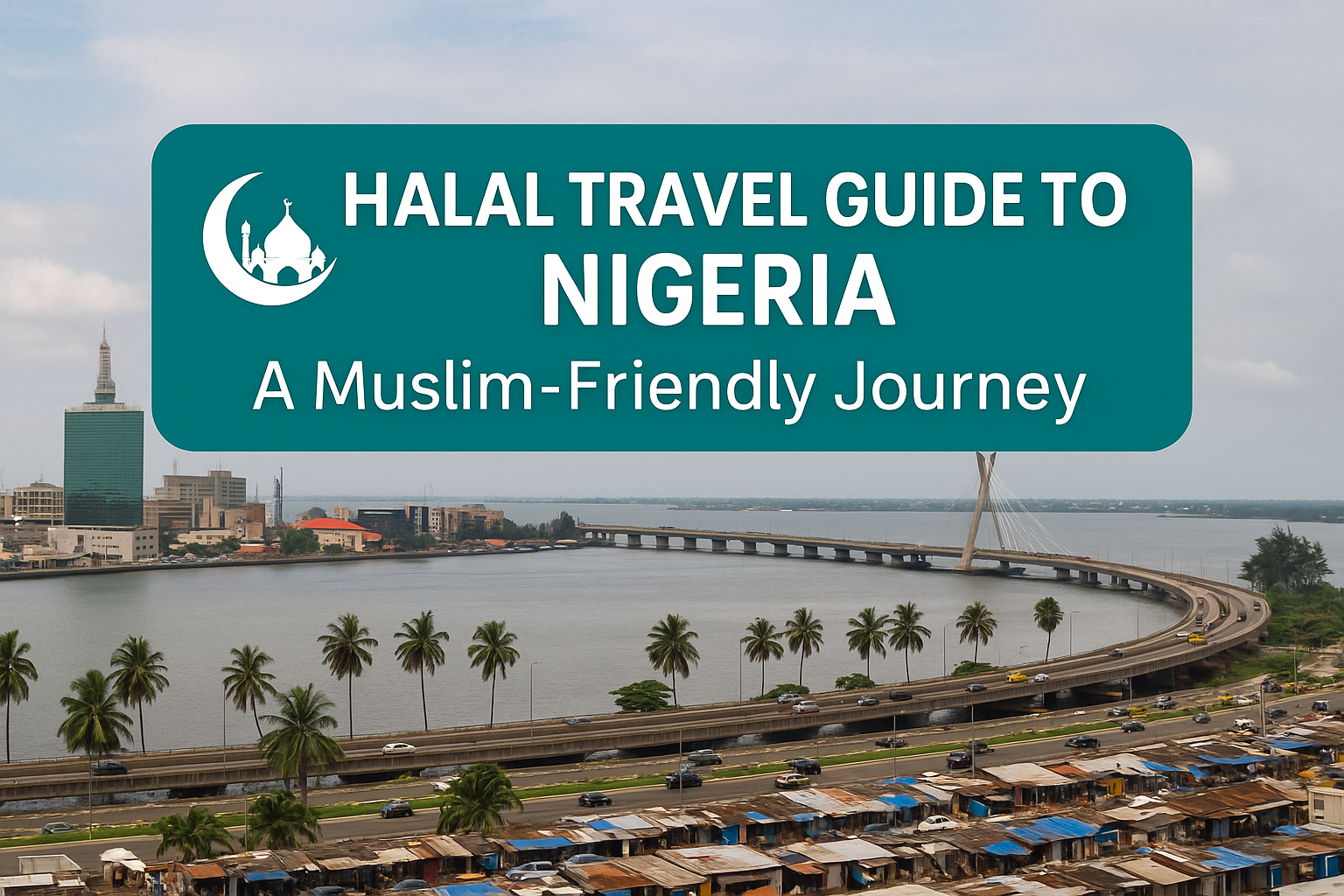
Halal Travel to Nigeria – A Complete Muslim-Friendly Guide
Nigeria, the largest country in Africa by population, is a vibrant mix of cultures, history, and natural beauty. For Muslim travelers, Nigeria offers a unique halal-friendly experience that blends Islamic traditions with African hospitality. From bustling cities like Lagos and Abuja to the serene landscapes of Yankari National Park, Nigeria’s Muslim communities, halal food options, and cultural attractions make it a promising destination for those seeking a halal-compliant journey. With a significant Muslim population, particularly in the northern regions, visitors will find mosques, halal restaurants, and Islamic heritage sites throughout the country. Halal Travel to Nigeria Muslim-Friendly Destinations in Nigeria When planning halal travel to Nigeria, knowing which cities cater best to Muslim needs can make your trip smoother. Lagos, the country’s economic hub, is home to a variety of halal restaurants, mosques, and cultural sites. Abuja, the capital city, offers modern hotels, halal dining, and accessible prayer spaces. In the northern cities such as Kano, Kaduna, and Sokoto, Islamic history runs deep, with centuries-old mosques and vibrant markets selling halal-certified products. Additionally, smaller towns in the north have strong Muslim communities that warmly welcome travelers. Halal Food in Nigeria — Where to Eat as a Muslim Traveler Finding halal food in Nigeria is generally easy, especially in the northern states where Islam is the dominant religion. Cities such as Kano, Sokoto, Kaduna, and Maiduguri have halal-certified restaurants and street vendors serving authentic Nigerian dishes prepared according to Islamic dietary laws. Halal Travel to Nigeria Must-try halal Nigerian dishes include: Jollof Rice — A flavorful, spiced rice dish loved across West Africa. Suya — Charcoal-grilled beef or chicken skewers coated in pepper spice mix. Moin-Moin — Steamed bean pudding, often served with rice. Tuwo Shinkafa — Soft rice balls served with rich soups. 📍 Popular halal restaurants in Nigeria: The Charcoal Grill, Abuja — Modern setting with halal-certified grilled meats. Dala Suya Spot, Kano — Famous for its authentic northern-style suya. Bukka Restaurant, Lagos — Serves both local and continental halal meals. 💡 Tip: Use HalalTrip or Google Maps‘ “halal” filter to find verified halal eateries across Nigeria. Halal Hotels and Accommodation Nigeria offers a variety of Muslim-friendly accommodations. Many hotels in Abuja and Lagos provide private spaces for prayer, halal-certified kitchens, and even separate swimming facilities for women in certain locations. International chains such as Transcorp Hilton Abuja and Eko Hotels & Suites are known for catering to Muslim guests upon request. In the north, locally owned guesthouses often follow Islamic guidelines, making them a comfortable choice for halal-conscious travelers. When booking, it is advisable to mention your halal requirements in advance to ensure a smooth experience. Mosques & Prayer Facilities Nigeria has thousands of mosques, making it convenient for Muslim travelers to pray on time. In urban areas, you’ll find mosques within walking distance, while in rural areas, locals are often welcoming and will guide you to nearby prayer spots. Famous mosques in Nigeria include: National Mosque, Abuja — A landmark with golden domes, beautiful interiors, and English/Arabic khutbahs. Lagos Central Mosque — Located on Lagos Island, open to visitors outside prayer times. Emir’s Palace Mosque, Kano — Rich in Islamic heritage and architectural charm. Many shopping malls, airports, and hotels in Nigeria also offer dedicated prayer rooms for travelers. Muslim-Friendly Activities and Attractions Nigeria offers more than just food and prayer facilities for Muslim travelers. History lovers can explore the ancient walls of Kano, the Emir’s Palace, or the historic city of Zaria. Nature enthusiasts can visit Yankari National Park for wildlife safaris or the beautiful Obudu Mountain Resort for a serene getaway. Many markets, such as Balogun Market in Lagos or Kurmi Market in Kano, sell halal products, modest clothing, and Islamic books. When exploring urban areas, travelers can enjoy the bustling energy of Nigerian cities while respecting cultural norms and modest dress codes. Best Tourist Places in Nigeria Beyond its Islamic-friendly atmosphere, Nigeria offers a treasure trove of natural beauty and cultural gems: Yankari National Park (Bauchi State) — famous for its wildlife, warm springs, and safari experience. Obudu Mountain Resort (Cross River State) — a peaceful retreat with cable cars, scenic hills, and cool weather. Olumo Rock (Ogun State) — an iconic historical site offering panoramic views of Abeokuta. Erin Ijesha Waterfalls (Osun State) — layered waterfalls surrounded by lush greenery. Ancient Kano City Walls (Kano State) — a UNESCO World Heritage Site nominee with deep historical roots. Lekki Conservation Centre (Lagos State) — home to Africa’s longest canopy walkway and rich wildlife. These destinations blend adventure with cultural discovery, making them ideal for Muslim travelers seeking both leisure and learning. Safety and Cultural Etiquette Nigeria is a culturally diverse nation, and respect for local customs goes a long way in ensuring a pleasant trip. In Muslim-majority areas, modest clothing is expected, especially for women. While most Nigerian people are friendly and welcoming, it’s wise to stay updated on travel advisories and avoid regions with known security concerns. When visiting mosques or cultural sites, follow the etiquette of removing shoes before entering and avoiding loud conversations. Best Time to Visit Nigeria has a tropical climate, with distinct dry and wet seasons. Dry Season (November–March) — Best for travel due to cooler weather and fewer rain disruptions. Wet Season (April–October) — Lush landscapes, but heavy rains may affect travel. For a cultural bonus, visit during Eid al-Fitr or Eid al-Adha to experience local hospitality and celebrations. Why Nigeria Should Be on Your Halal Travel List With its combination of rich Islamic history, vibrant halal food scene, and welcoming Muslim communities, Nigeria offers an enriching experience for halal travelers. Whether you’re wandering through the ancient streets of Kano, enjoying fresh halal suya in Lagos, or praying in the grandeur of the National Mosque in Abuja, you’ll find countless opportunities to blend your spiritual journey with cultural discovery. Nigeria’s unique blend of tradition and modernity ensures that every Muslim traveler leaves with cherished memories and a deeper appreciation for this
Halal Travel Guide to Maldives 2025
The Maldives is one of the most beautiful Muslim-friendly destinations, offering turquoise waters, white sandy beaches, and a peaceful atmosphere for halal-conscious travelers. This Halal Travel Guide to Maldives 2025 is designed to help you plan a trip that aligns with Islamic values, so you can enjoy your vacation without compromising your faith. From delicious halal food options and easily accessible prayer facilities to safety tips, visa guidance, and cost breakdowns, we cover everything you need for a stress-free and spiritually mindful holiday. Whether you choose luxury resorts or local guesthouses, your Maldives experience in 2025 can be both memorable and halal. 1. Exploring the Best of Maldives The Maldives is more than just a luxury destination—it’s a Muslim-majority country with rich culture, natural beauty, and many halal-friendly experiences for travelers. Whether you’re seeking relaxation, adventure, or Islamic heritage, there’s plenty to explore in 2025. 1.1 Top Islands to Visit in 2025 With over 1,000 islands, the Maldives offers endless choices, but for halal-conscious travelers, Maafushi, Fulidhoo, and Dhigurah stand out. Maafushi is a vibrant local island with budget guesthouses, halal restaurants, and the historic Maafushi Mosque within walking distance from most hotels. Fulidhoo is quieter, known for its peaceful beaches, friendly community, and traditional Maldivian culture. Dhigurah is famous for its long sandbanks and whale shark sightings, with a local mosque easily accessible. These islands offer a balance between natural beauty and easy access to Islamic facilities. 1.2 Best Beaches for Muslim Families For Muslim families seeking privacy and modesty, private or semi-private beaches are ideal. Certain resorts like Ayada Maldives and Veligandu Island Resort provide family-friendly zones where women can swim comfortably without public exposure. Local islands also have designated “bikini beaches” for tourists, while other areas remain modest, allowing families to enjoy the shore in an Islamic environment. If you prefer complete privacy, renting a villa with a private pool and direct beach access is a great choice. 1.3 Must-Visit Cultural Attractions Beyond the beaches, the Maldives offers unique Islamic heritage site s. A highlight is the Male Friday Mosque (Hukuru Miskiy), built in 1658 and recognized as a UNESCO World Heritage Site. Constructed from coral stone and decorated with intricate carvings, it reflects centuries of Maldivian Islamic tradition. You can also explore the Islamic Centre in Male, home to the country’s largest mosque, where visitors can join prayers and learn about the nation’s religious history. These sites not only deepen your understanding of the Maldives’ culture but also provide a spiritual connection during your trip. 2. Halal Food & Prayer Facilities When traveling as a Muslim, having access to halal food and prayer spaces is a top priority. The Maldives, being a Muslim-majority country, makes this part of your journey stress-free. From halal-certified restaurants to easily accessible mosques, you can enjoy your trip without compromising your faith. 2.1 Halal Dining in Maldives What It Means: Halal dining in the Maldives ensures that every meal is prepared according to Islamic dietary laws, giving Muslim travelers peace of mind. Details: Because Islam is the official religion, almost all eateries serve halal food by default. You’ll find fresh seafood, chicken, and beef dishes prepared in clean, Shari’ah-compliant kitchens. A great example is Symphony Restaurant in Male, which is famous for its authentic Maldivian flavors. Many resorts also cater to halal requests if you inform them in advance, making it easy to enjoy your vacation without dietary worries. 2.2 Seafood & Local Delicacies What It Means: Maldivian cuisine is a seafood lover’s dream, and the good news is — it’s all halal. Details: The islands are surrounded by crystal-clear waters, offering an abundance of fresh fish. Must-try dishes include tuna curry rich in spices, mas huni (tuna with coconut, onions, and flatbread), and grilled reef fish cooked over open flames. Local guesthouses often serve home-style meals, giving you an authentic cultural experience. Some islands even offer cooking classes so you can take the taste of Maldives back home. 2.3 Mosques & Prayer Times What It Means: Access to mosques and stable prayer times ensures you can maintain your religious duties with ease. Details: Nearly every inhabited island has at least one mosque. The Islamic Centre Mosque in Male is a must-visit, both for its beauty and spiritual atmosphere. Prayer times remain almost the same year-round, so you can confidently plan your tours and water activities without missing Salah. 3. Planning Your Halal Trip to Maldives 2025 Planning is the key to making your journey to this tropical paradise smooth, affordable, and fully Shari’ah-compliant. This Halal Travel Guide to Maldives 2025 section will help you prepare step-by-step so you can enjoy the islands without missing your Islamic obligations. 3.1 Visa & Travel Requirements The Maldives offers a visa-on-arrival for 30 days to most nationalities, making it one of the easiest destinations for Muslims to visit. All you need is: A valid passport (minimum 6 months validity) Confirmed hotel or guesthouse booking Return or onward ticket No prior visa application is required for most travelers. However, always check the official Maldives Immigration website (https://immigration.gov.mv) for updated entry rules before you book your ticket. This ensures you travel with peace of mind and no last-minute issues. 3.2 Cost & Budget Planning The average trip to the Maldives costs $100–$300 per day depending on the season, type of hotel, and activities you choose. Luxury resorts with private villas can be much more expensive, while guesthouses on local islands offer affordable stays starting at just $50 per night, including breakfast. For budget-friendly halal travel, choose islands like Maafushi or Dhigurah, where you can enjoy halal food, local culture, and stunning beaches without overspending. Booking in advance and traveling during off-peak months (May–October) can also lower costs. 3.3 Safety & Islamic Etiquette The Maldives is generally safe for tourists, with a low crime rate and a welcoming local population. However, as a Muslim traveler, it’s important to maintain modesty and Islamic etiquette, especially outside private resort islands. Wear loose clothing, cover your shoulders and knees,
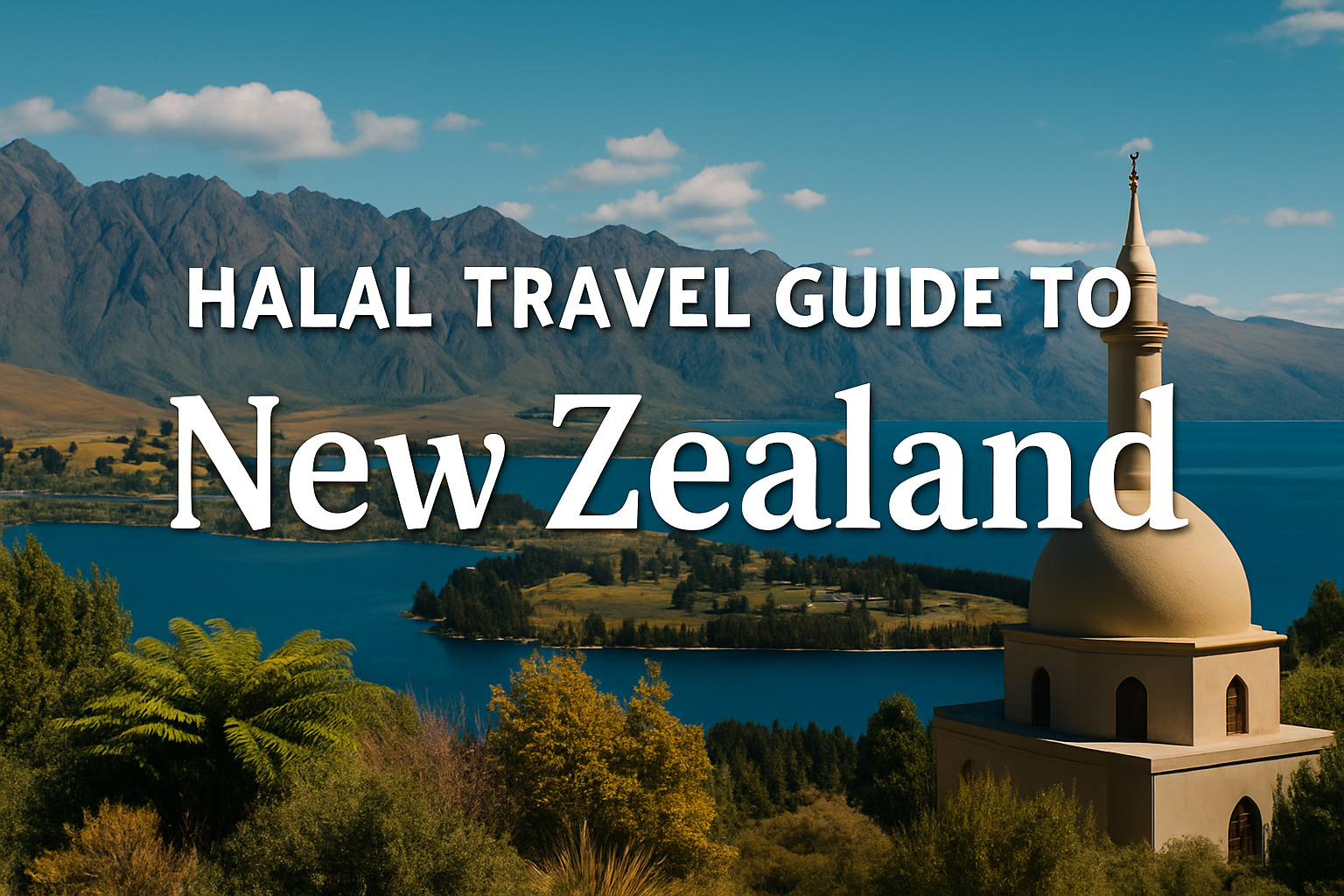
Halal Travel Guide to New Zealand
New Zealand, known for its stunning landscapes, peaceful lifestyle, and rich indigenous Māori culture, is rapidly becoming a popular destination for Muslim travelers. Whether you’re planning a family holiday, a nature retreat, or a halal honeymoon, New Zealand offers Muslim-friendly experiences, halal food access, and growing prayer facilities in both urban and remote areas. Halal Travel Guide to New Zealand In this 2025 Halal Travel Guide to New Zealand, we’ll explore everything from halal restaurants and mosques in Auckland and Christchurch to nature-friendly excursions, Muslim-friendly hotels, prayer facilities, and travel apps to enhance your journey. Let’s help you travel spiritually, safely, and stress-free. Halal Travel Guide to New Zealand 🌆 Is New Zealand Muslim-Friendly? Yes! New Zealand is a Muslim-friendly destination, particularly in cities like Auckland, Wellington, Christchurch, and Hamilton, where you’ll find halal restaurants, Islamic centers, mosques, and Muslim-owned businesses. The country also values religious freedom, making it welcoming for Muslim families, hijabi travelers, and halal-conscious tourists. New Zealand’s Muslim population has been steadily growing, and there’s increasing awareness about halal needs, including dietary preferences, modest fashion, and prayer accessibility. 🍛 Top Halal Food Spots in New Zealand Here are some of the top halal-friendly food places across major New Zealand cities: 🥘 Halal Food in Auckland Auckland, New Zealand’s largest city, offers a wide variety of halal-certified eateries serving Turkish, Indian, Malay, and Middle Eastern cuisines. ZamZam Restaurant (Pakistani cuisine): zamzamrestaurant.co.nz Istanbul Kebab (Halal Turkish): A favorite among locals for doner wraps and rice platters. Bawarchi Auckland: Authentic Indian biryani and curries, certified halal. 📍 Don’t miss: Visit Ponsonby or Mt. Roskill for clusters of halal spots and Muslim-owned cafés. 🌉 Halal Food in Wellington Wellington may be compact in size, but it offers a surprisingly diverse range of halal food options. From cozy halal-friendly cafés to authentic Middle Eastern, Indian, and Malaysian eateries, Muslim travelers can enjoy delicious meals across the city. A Taste of Egypt: Halal kebabs and falafel wraps near Cuba Street. Sahara Café: North African halal food with vegetarian-friendly options. Kabul House: Afghan halal dining in the heart of the city. 🌿 Halal Food in Christchurch Since the tragic events of 2019, Christchurch has become a symbol of Muslim resilience and unity. It’s also home to an active Muslim community. Sultan’s Turkish Kebab: Halal-certified and delicious. Mediterranean Food Co.: Offers halal platters and friendly service. Paradise Shawarma: A hidden halal gem loved by Muslim students. For more halal listings, use Zabihah or HalalTrip. 🕌 Mosques & Prayer Spaces in New Zealand Prayer facilities in New Zealand are increasingly available, especially in major cities. In Auckland, Muslims can visit several well-known mosques, including Ponsonby Mosque (Masjid Al-Maktoum), Avondale Islamic Centre, and Masjid Umar in Mt. Roskill. Wellington also offers convenient prayer spaces such as the Wellington Islamic Centre and Kilbirnie Mosque. Down south in Christchurch, Al Noor Mosque and Linwood Mosque serve the spiritual needs of the Muslim community. These mosques not only provide space for daily prayers and Jummah but also offer a peaceful environment for reflection and community bonding. Halal Travel Guide to New Zealand 🧭 Tip: If you’re hiking or exploring outdoors, carry a prayer mat and use Qibla-finding apps or offline tools. 🌄 Muslim-Friendly Activities in New Zealand New Zealand is a paradise for nature lovers, and most outdoor activities are perfect for halal-conscious travelers: 🚠 Nature & Scenery Milford Sound (Fiordland National Park): Boat cruises with vegetarian options. Rotorua: Hot springs, geysers, and Maori cultural experiences (ask about food options). Hobbiton Movie Set Tour: Suitable for all ages; bring snacks if needed. 🏖️ Family-Friendly Fun Queenstown: Adventure capital (jet boating, scenic tours) Lake Tekapo: Stargazing and peaceful environment—ideal for Muslim couples. Auckland Zoo and Te Papa Museum (Wellington): Great for kids and educational too! 📸 Pro Tip: Many nature parks and public spots have picnic areas—perfect for bringing your own halal food. 🏨 Muslim-Friendly Hotels in New Zealand While there are a few “Islamic hotels,” many accommodations are respectful of Muslim needs: Cordis Auckland: Offers Muslim-friendly services upon request (prayer mats, qibla direction). Sudima Hotels (Auckland, Rotorua, Christchurch): Diverse staff, vegetarian/halal options available. Quest Apartments: Great for families wanting to cook halal meals. 🧳 Tip: Book accommodations with kitchenettes if you prefer cooking halal food or want full control over meals. 📲 Helpful Muslim Travel Apps (Updated List) Try these lesser-used but highly effective halal travel apps for New Zealand: Muslim Pro NZ Edition: Includes Qibla finder and prayer times customized for NZ cities. Halal NZ: Local halal directory and restaurant finder. Islamic GPS: Helps locate mosques and prayer spaces using augmented reality. Have Halal Will Travel: Destination tips for Muslim travelers. ✅ Essential Tips for a Halal-Friendly NZ Trip ✔️ Book halal-certified tours or self-guided nature trails. ✔️ Always verify halal certification—some places may label food as halal without formal certification. ✔️ Join Facebook groups like “Halal Food in NZ” for current updates. ✔️ Plan your itinerary around Friday prayers, especially in Christchurch or Auckland. ✔️ New Zealand customs are respectful—modest dress is appreciated but not mandatory in public areas. ✈️ How to Reach & Travel Inside New Zealand International flights land in Auckland, Wellington, and Christchurch. Domestic flights and buses make inter-city travel easy. Air New Zealand offers vegetarian meals (request in advance for a halal option). InterCity Buses: Affordable for backpackers and students. Self-drive campervans: A popular halal travel style among Muslim families, allowing you to cook your meals on the go! 🧭 Final Thoughts: Why New Zealand is Perfect for Halal Travel New Zealand’s blend of natural beauty, peaceful atmosphere, and increasing Muslim-friendly infrastructure makes it one of the top emerging halal destinations. From halal food in Auckland to mosques in Christchurch, you’ll find everything you need for a comfortable, spiritually fulfilling journey. Halal Travel Guide to New Zealand So whether you’re planning a halal honeymoon, a nature trip, or an educational family holiday, New Zealand welcomes you with warmth, respect, and incredible landscapes.
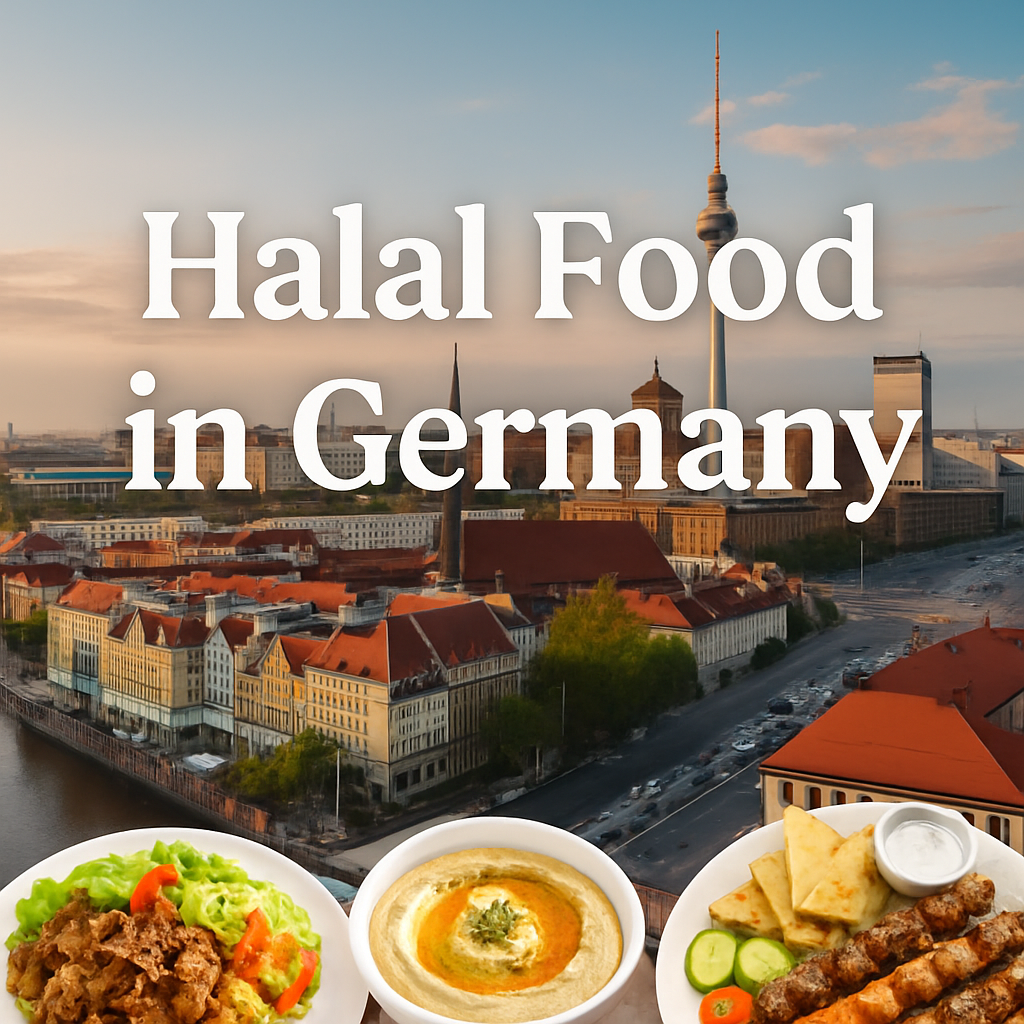
🕌 Halal Food in Germany
.Germany is rising as one of the top halal-friendly destinations in Europe. “With its growing Muslim population and rich diversity”, halal food in Germany has become not only accessible but also exciting for global food lovers. Whether you’re a Muslim tourist in Berlin, an international student in Hamburg, or a traveler in Hannover, Germany warmly welcomes you with a wide variety of authentic, certified halal meals in every major region. From Turkish kebabs and Lebanese platters to South Asian curries and North African grills, there’s something for every palate. In this comprehensive guide, we’ll explore of the best halal restaurants in Berlin Germany, must-visit halal food spots in Hamburg, and trusted places for halal food in Hannover Germany—ensuring your . Halal Food in Germany. 🍽️ Halal Restaurants in Berlin, Germany Berlin, the capital city, is a melting pot of cultures—and its food scene is no different. “In fact, over the years, the Muslim population here has not only grown but has also contributed significantly to the city’s rich and diverse culinary landscape.”. If you’re looking for halal restaurants in Berlin Germany, you’ll be pleased to find a wide range of options from Turkish and Lebanese to Afghan and Pakistani cuisines. One popular spot is Hasir Kreuzberg, known for its high-quality Turkish cuisine and cozy ambiance. Halal Food in Germany Located in the heart of Berlin’s Turkish quarter, this restaurant offers delicious halal options like grilled lamb, döner kebabs, and mezze platters. Another must-visit is Al Safa Restaurant, which serves Middle Eastern and North African halal dishes, including tagines and couscous. For South Asian flavors, Chaparros offers Pakistani and Indian dishes with verified halal meat. Plus, most of these eateries are located near mosques and prayer facilities like the Sehitlik Mosque, making it convenient for Muslim travelers. 📍 Hasir Restaurant Berlin 📍 Al Safa Restaurant 🌆 Halal Restaurants in Hamburg, Germany As one of Germany’s busiest port cities, halal restaurants in Hamburg Germany reflect its diverse and international community. “Whether you’re visiting for business or, on the other hand, exploring Hamburg’s scenic waterfront and fascinating museums, you’ll still find a wide range of delicious and halal-certified dining options to satisfy every taste.”. Halal Food in Germany Pamukkale Grill is a favorite among locals, offering classic Turkish dishes with fully halal meat. Their grilled chicken plates, lamb skewers, and flatbreads are top-notch. For Middle Eastern food lovers, Mazza Hamburg is a Lebanese restaurant known for its upscale atmosphere and flavorful halal options like shish taouk, hummus, and stuffed grape leaves. If you’re in the mood for something quick and filling, head to Café Al Mutanabbi, which offers Iraqi cuisine including halal kebabs, falafel, and fresh bread baked in a traditional clay oven. 📍 Pamukkale Grill Hamburg 📍 Mazza Restaurant 🕌 Halal Food in Hannover, Germany Often overlooked by tourists, Hannover is a city full of charm, cultural richness, and historical landmarks—and it’s quietly becoming a welcoming hub for the growing Muslim community. Searching for halal food in Hannover Germany will lead you to a delightful mix of cozy, authentic eateries serving high-quality halal meals from various culinary traditions. One standout is Al Dar Restaurant, a trusted name in the city that specializes in flavorful Syrian and Levantine dishes. From their juicy grilled meat platters and lentil soups to creamy baba ganoush and warm flatbreads, every bite is rich in flavor and made with care. For those craving Turkish-style meals, Divan Restaurant offers a satisfying range of halal-certified dishes like pide, lamb stew, and flavorful rice platters. And if you’re in a hurry, . Halal Food in Germany. 📍 Al Dar Hannover 📍 Divan Restaurant Hannover 🧭 Insider Tips for Finding Halal Food in Germany Germany’s halal food scene is growing fast, especially in major cities like Berlin, Hamburg, and Hannover—but knowing a few insider tips can make your journey smoother, more enjoyable, and fully halal-compliant. First, always look for official halal certification logos—such as those from Halal Control Germany or IFANCA—especially when dining in less touristy areas: ✅ Use apps like Zabihah, HappyCow, or Google Maps—just search “halal food near me.” ✅ Look for certifications or signs that say “Halal” or “Halal-Fleisch.” ✅ Join Facebook groups like “Halal Food Germany” for updated local insights. ✅ Many halal restaurants are near mosques, so plan your meals around prayer times. 🕌 Prayer Facilities Near Halal Restaurants Prayer ease is a vital part of any comfortable halal travel experience, allowing Muslim travelers to stay spiritually grounded throughout their journey. Fortunately, Germany’s major cities like Berlin, Hamburg, and Hannover offer easy access to beautifully maintained masjids and Islamic centers. From daily salah to Jummah prayers, these places of worship also offer peaceful moments of dhikr. Many are located near popular halal restaurants, making it easy to combine worship with dining.” faith, food, and travel into one seamless, fulfilling experience across Germany. Halal Food in Germany. Berlin: Sehitlik Mosque, Dar Assalam Mosque Hamburg: Islamic Centre Al Nour, Centrum Mosque Hannover: Mevlana Camii Mosque, Islamic Center Hannover “Moreover, most of these mosques offer separate spaces for women. They also provide Friday prayers. In addition, they share information in both Arabic and English.”. ✅ Final Thoughts: Why Germany is Perfect for Halal Travelers Germany is becoming a top pick for halal-conscious travelers, and for good reason. Well-established Muslim communities, accessible prayer spaces, and rich cultural experiences make the country ideal for a halal holiday Whether you’re searching for halal restaurants in Berlin Germany, tasting halal food in Hannover Germany, or exploring the flavor-packed streets of Hamburg, your journey will be spiritually mindful and incredibly delicious. Halal Food in Germany So next time you’re wondering where to eat halal in Germany, just come back to this guide—and let your tastebuds explore. 📣 Explore More Halal Food Blogs “So, if you’re planning your next Muslim-friendly adventure, then don’t miss these especially helpful guides below.” Halal Food in Australia Top 5 Halal Restaurants in the UK for Muslim Travelers Top 5 Halal Restaurants in Manchester – Urban &
🌍 Muslim Population in the World: A Global Overview 🕌
Islam is one of the world’s major religions, followed by over a billion people across the globe. The Muslim population has been growing steadily over the past decades and is projected to continue increasing. In this blog, we will examine the current statistics, the global distribution of Muslims, the reasons behind population growth, and what the future holds. 📊 Global Muslim Population: The Numbers As of 2025, the estimated global Muslim population is approximately 2 billion people, accounting for around 25% of the world’s population. 🌐 🔹 Islam is the second-largest religion in the world after Christianity. 🔹 According to Pew Research Center, Islam is also the fastest-growing major religion globally. 🔹 By 2050, it is predicted that Muslims will make up 30% of the world’s population. 🌏 Where Do Muslims Live? Muslims are not limited to one country or continent. They live all over the world, from Asia to Africa, and from Europe to the Americas. Let’s take a look at the regions with the largest Muslim populations: 1️⃣ Asia-Pacific Region 🌐 Nearly 62% of the world’s Muslims live in the Asia-Pacific region. 📍 Countries like Indonesia 🇮🇩, India 🇮🇳, Pakistan 🇵🇰, and Bangladesh 🇧🇩 have the largest Muslim populations. Indonesia is the country with the largest number of Muslims in the world, with over 230 million followers of Islam. 🕌 Pakistan has around 240 million people, with Muslims making up 96% of the population. India has over 200 million Muslims, making it the third-largest Muslim population in the world, even though Muslims are a minority there.(Pew Research on India’s Muslims) 2️⃣ Middle East and North Africa (MENA) 🌍 Around 20% of the world’s Muslims live in this region. 📍 Countries like Saudi Arabia 🇸🇦, Iran 🇮🇷, Iraq 🇮🇶, and Egypt 🇪🇬 are part of this group. Islam originated in this region, particularly in Makkah and Madinah in Saudi Arabia. Most people in this region are Muslims, and the religion plays a major role in politics, culture, and daily life. 3️⃣ Sub-Saharan Africa 🌍 About 16% of the world’s Muslim population resides in this part of Africa. 📍 Countries like Nigeria 🇳🇬, Ethiopia 🇪🇹, and Sudan 🇸🇩 have significant Muslim communities. In Nigeria, Islam is one of the two major religions. Many West African countries have rich Islamic traditions dating back centuries. 4️⃣ Europe 🌍 Europe is home to around 5% of the world’s Muslims. 📍 Countries like Turkey 🇹🇷, France 🇫🇷, Germany 🇩🇪, and Russia 🇷🇺 have sizable Muslim populations. In France, there are over 6 million Muslims. Germany has around 5 million Muslims, many of whom are of Turkish origin. Islam is one of the fastest-growing religions in Europe. 5️⃣ North and South America 🌎 The Americas have a smaller Muslim population, but it is growing. 📍 The United States 🇺🇸 and Brazil 🇧🇷 have the largest Muslim populations in the Americas. The U.S. has approximately 3.5 million Muslims. Most American Muslims are highly educated and contribute to various sectors like medicine, education, and business. (Pew – Muslims in America) 🚼 Why Is the Muslim Population Growing? There are several reasons why the Muslim population is growing rapidly: 🍼 1. High Birth Rates Muslim-majority countries often have higher fertility rates compared to other regions. Families with more children naturally lead to population growth. ⏳ 2. Young Population Muslims tend to have a younger median age, meaning there are more people in childbearing years, which leads to more births. ✈️ 3. Migration Many Muslims have migrated to other countries for better opportunities, especially to Europe and North America. This helps spread Islam to new regions. 💍 4. Conversion Although not a major factor compared to birth rates, conversions to Islam do happen across the world, especially in Western countries. 🕋 Diversity in the Muslim World Islam is a universal religion that transcends ethnicity, language, and culture. The Muslim world is incredibly diverse: 🌐 Muslims speak hundreds of different languages. 🧕 You’ll find Muslims of all races – from Arab and African, to Asian, European, and Latino backgrounds. 📿 Some are Sunni, others are Shia, while smaller groups include Sufis, Ibadi, and others. Despite cultural differences, the core beliefs of Islam – belief in one God (Allah), the Prophet Muhammad ﷺ, the Quran, and the Five Pillars – unite all Muslims. (Britannica – Five Pillars) 🧭 Muslims in Non-Muslim Countries Islam is growing in non-Muslim majority countries as well. Many Muslims live as minorities in countries where they contribute to society while maintaining their religious identity. 🔹 In India, Muslims are the largest religious minority. 🔹 In Europe, Muslims play an important role in industries, sports, education, and politics. 🔹 In the U.S., Muslims are business owners, teachers, doctors, and engineers. Despite challenges such as Islamophobia and discrimination, Muslims continue to thrive and grow as part of the global community. 🔮 The Future of the Muslim Population According to demographic projections: By 2050, Islam may become the world’s largest religion, surpassing Christianity. Muslim populations are expected to double in countries like Nigeria and India. The number of Muslims in Europe and North America is expected to rise due to migration and natural growth. This growth highlights the importance of interfaith dialogue 🤝, mutual respect, and understanding diversity. 💡 Interesting Facts 📌 The Quran has been translated into more than 100 languages. 📌 Friday (Jumu’ah) is considered a holy day in Islam. 📌 Ramadan, the holy month of fasting, is observed by Muslims around the world – from Alaska to South Africa. 🌙 📌 Muslim holidays such as Eid al-Fitr and Eid al-Adha are celebrated with joy and charity. 🎉 ✨ Conclusion The Muslim population in the world is not just growing in numbers but also in influence. Islam is present in every corner of the globe, shaping cultures, economies, and communities. From the deserts of the Middle East to the cities of Europe and the villages of Africa, Muslims are contributing to the world in countless ways. As we move forward, it’s important to recognize the richness of
🏝️ Travel to Bermuda: Your Complete Muslim-Friendly Guide
Bermuda — the name alone evokes visions of turquoise waters, coral pink beaches, and colorful colonial houses. This island paradise in the Atlantic Ocean has long been a favorite getaway for travelers seeking luxury, relaxation, and adventure all in one. But did you know that Bermuda is also an excellent destination for Muslim-friendly travel? If you’re planning your next vacation and want sun, culture, and serenity without compromising your values, Bermuda might just be your dream destination. 🌍✨ Whether you’re looking for halal food, quiet places for prayer, or family-friendly resorts, this blog has everything you need to plan your halal travel to Bermuda. Plus, we’ll show you where to stay, when to go, and how to get there — including how to fly to Bermuda from Boston and other international locations. 📍 Where Is Bermuda? Bermuda is a British Overseas Territory located in the North Atlantic Ocean, about 650 miles east of North Carolina, USA. Often mistaken as part of the Caribbean, Bermuda is actually farther north — and that’s part of its charm. With a mix of British heritage, island culture, and American influence, Bermuda offers a truly unique travel experience. The island is made up of 181 islands, but most are connected by bridges, making it feel like one cohesive destination. Its capital city, Hamilton, is a charming harbor town filled with shops, cafes, and history. ✈️ How to Fly to Bermuda from Boston (and Beyond) If you’re wondering how to get there, it’s easier than you think. You can fly to Bermuda from Boston in just about two hours, making it a convenient getaway from the Northeastern United States. Major airlines such as JetBlue, Delta, and American Airlines offer direct flights from Boston Logan International Airport (BOS) to L.F. Wade International Airport (BDA) in Bermuda. If you’re flying from the UK, Canada, or other parts of the US, numerous airlines also operate seasonal and year-round flights to Bermuda. Be sure to check for flight deals and compare travel packages to Bermuda that may include accommodation, tours, and even meal plans. 🏨 Where to Stay in Bermuda: Muslim-Friendly Options One of the most common questions we receive is: Where to stay in Bermuda if you’re traveling as a Muslim family or couple? Bermuda offers a variety of accommodations, from luxury resorts to guesthouses, many of which are welcoming to Muslim travelers. Top Muslim-Friendly Stays: Hamilton Princess & Beach Club: A beautiful 5-star hotel near the capital with halal food options on request and private beach access. Grotto Bay Beach Resort – Offers secluded beaches and eco-friendly amenities. It’s great for families. Airbnb & Villas: For more privacy and space to pray or prepare your own halal meals, consider booking a vacation rental through Airbnb. Always call ahead to request halal meals or verify prayer space availability. While Bermuda doesn’t have a large Muslim population, the locals are welcoming and accommodating when asked respectfully. 🍽️ Halal Food in Bermuda Halal-certified restaurants may be rare, but with some planning, you can enjoy a delicious and safe halal culinary experience. Many Indian and Middle Eastern restaurants on the island offer halal meat. Vegetarian and seafood options are widely available as well. Some popular spots include: House of India – A popular choice with several halal menu items. Fish Hut – Known for fresh seafood and accommodating dietary requests. Village Pantry – Offers plant-based and vegetarian dishes, perfect for those seeking halal alternatives. Bring snacks or instant halal meals just in case, especially if you plan to explore rural parts of the island. 🕌 Prayer Spaces and Muslim Community Bermuda has a small but active Muslim community. The Muhammad Mosque in Hamilton is the primary place of worship and welcomes visitors for daily and Friday prayers. You’ll also find that many resorts will allow you a private corner for prayer, especially if you bring your own prayer mat and compass app. Don’t forget to pack travel prayer essentials and download an app like Muslim Pro to help you locate Qibla and prayer times. 🌤️ When to Visit Bermuda: Best Time for Halal Travelers Wondering when to go to Bermuda for the perfect holiday? Bermuda enjoys a subtropical climate, making it warm and sunny from April to October. The high season is May through August — expect more crowds and higher prices, but also the most vibrant island life. For Muslim travelers looking to avoid large tourist crowds and still enjoy great weather, April, September, and October are ideal months. These months are also excellent for finding discounted travel packages to Bermuda. Tip: Avoid the hurricane season (September) unless you’re monitoring weather forecasts closely and booking flexible travel. 🚗 Transportation Tips for Muslim Travelers Public buses and ferries are available and safe for getting around the island. However, there are no car rentals for visitors — instead, tourists can rent electric scooters or two-seater mini electric cars known as “Twizys.” If you prefer not to drive, taxis and rideshare services are widely available. It’s best to pre-arrange transportation to and from the airport as taxis can be limited at certain times. 🔗External Links Bermuda Tourism Official Website Things to Do in Bermuda 🏖️ Top Attractions: Where to Go in Bermuda Still wondering where to stay in Bermuda or what to do while you’re there? Here are some must-visit halal-friendly attractions: Horseshoe Bay Beach – A postcard-perfect beach with pink sand and calm water. Crystal Caves – Stunning underground caverns with guided tours suitable for families. St. George’s Town – A UNESCO World Heritage Site filled with colonial charm. Royal Naval Dockyard – Offers museums, shops, and stunning harbor views. Botanical Gardens – A peaceful and serene place perfect for a prayer break or nature walk. Be sure to pack modest swimwear for beach visits — a long-sleeve rash guard and swim leggings work well for Muslim travelers. 🧳 Travel Tips for Muslim Visitors Here are a few extra travel tips for Bermuda that make your trip smooth and spiritually enriching: 💧